

Japan’s FX Reserves Drop Record $79.6B After Yen Intervention
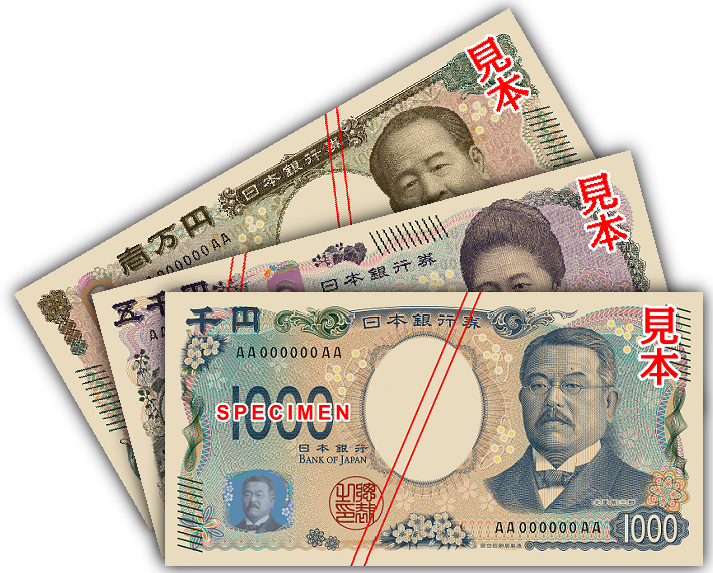
NetNapz Market Desk · September 7, 2026. Japan’s foreign-exchange reserves fell by a record $79.575 billion in August to $1.2075 trillion, according to fresh Ministry of Finance data, after Tokyo mounted its largest-ever yen-buying intervention campaign. The release gives currency and rates traders a new way to measure the cost of defending the yen—and raises the stakes for USD/JPY, U.S. Treasury liquidity and the Bank of Japan’s September policy meeting.
The Ministry of Finance said reserve assets fell from $1.2871 trillion at the end of July to $1.2075 trillion at the end of August. Foreign-currency securities dropped particularly sharply, from about $927.3 billion to $839.6 billion. The move follows intervention operations between July 30 and August 26 that independent reporting put at roughly ¥15.4 trillion, or close to $99 billion at current exchange rates.
Why the reserve drop matters
Japan’s intervention is not just an FX story. Large-scale dollar selling can involve liquidation or financing against foreign securities, including U.S. Treasuries. That creates a direct link between USD/JPY, Treasury-market liquidity, global yields and risk assets such as the Nasdaq 100 and Bitcoin. The Ministry of Finance’s own data show foreign securities remain the dominant component of Japan’s foreign-currency reserves.
The record decline does not mean Japan is close to exhausting its firepower. More than $1.2 trillion of reserve assets remain, and Tokyo has explicitly said it can use the Federal Reserve’s Foreign and International Monetary Authorities Repo Facility to obtain dollar liquidity without relying solely on outright securities sales. But the scale of the August move demonstrates that officials are willing to spend heavily when they judge yen moves disorderly.
USD/JPY is now a policy trade as well as a rates trade
USD/JPY is trading around the mid-156 area in early Monday markets, far below the roughly 164 area that preceded the intervention wave. For traders, that makes the next move more asymmetric than a simple U.S.-Japan yield-spread model would suggest. A renewed push toward 158–160 would likely revive intervention risk quickly, while sustained trading below roughly 155 would suggest that policy pressure and expectations for tighter Bank of Japan policy are gaining traction.
The September 17–18 Bank of Japan meeting is therefore increasingly important. Markets have been repricing the probability of another rate increase, while U.S. Treasury officials and Japanese policymakers have emphasized orderly currency markets. A BOJ hike would reinforce the yen-support story; a dovish surprise could force traders to test how much further intervention Tokyo is prepared to tolerate.
Treasury and crypto implications
For U.S. rates, the key question is not whether Japan will mechanically dump Treasuries every time the yen weakens. It is whether repeated intervention changes the marginal demand and financing environment for dollar assets. If USD/JPY rises while Treasury yields are already under pressure from strong U.S. data, intervention risk can become an additional source of cross-asset volatility.
Bitcoin traders should watch the same chain. A stronger dollar and higher global yields normally tighten liquidity conditions for crypto. Conversely, a stronger yen driven by BOJ tightening or intervention can pressure leveraged carry trades and create short-term volatility across equities and digital assets even if the longer-run dollar impulse softens. The market reaction depends on which channel dominates.
NetNapz assessment
View: Neutral USD/JPY, elevated intervention risk. The record reserve decline confirms that Tokyo is willing to deploy very large resources to resist disorderly yen weakness. That reduces the attractiveness of blindly chasing USD/JPY higher near intervention-sensitive levels, but it does not by itself guarantee a durable yen bull trend. The cleaner confirmation would be a combination of BOJ tightening, lower U.S. yields and sustained USD/JPY trade below the mid-155 area. The bearish-yen invalidation is a renewed move toward 158–160 without a material official response.
What to watch next
- USD/JPY: mid-155s as the first downside confirmation zone; 158–160 as the renewed intervention-risk zone.
- Bank of Japan: September 17–18 policy meeting and any guidance on inflation, wages and currency pass-through.
- U.S. Treasury yields: whether intervention-related flows add volatility to an already hawkish post-payroll rates backdrop.
- Official communication: Ministry of Finance language on “disorderly” moves and any further U.S.-Japan coordination.
- Risk assets: Nasdaq 100 and Bitcoin sensitivity to a yen-driven carry unwind versus a softer-dollar liquidity impulse.
Bottom line
Japan’s $79.6 billion August reserve drop is a concrete measure of how aggressively officials defended the yen. The immediate trader takeaway is not that intervention capacity is exhausted—it plainly is not—but that USD/JPY now carries a much larger policy-risk premium. With the BOJ meeting approaching and U.S. yields still elevated, yen intervention has become a first-order cross-asset variable for FX, Treasuries, tech and crypto.
Sources
- Japan Ministry of Finance — International Reserves / Foreign Currency Liquidity, end-August 2026
- Japan Ministry of Finance — end-July 2026 reserve comparison
- Japan Ministry of Finance — August 3 statement on coordinated yen intervention
- Reuters — independent reporting on the reserve decline and intervention scale
Risk disclaimer: This article is for information and market analysis only and is not financial, investment or trading advice. FX, crypto, equities and futures can move sharply around policy intervention and central-bank events.