

XRP Near $1.40 After Powerful Rebound
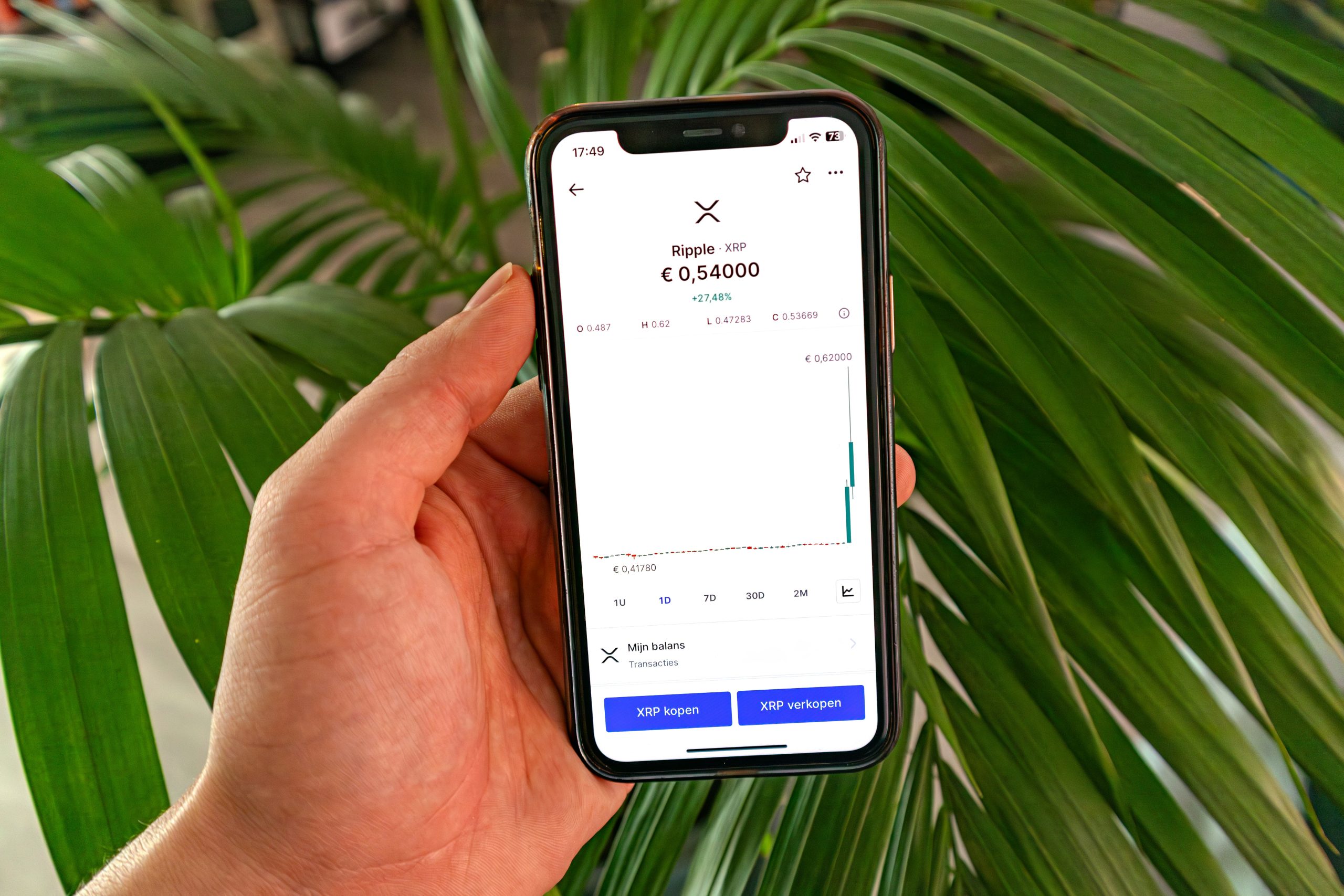
XRP has recovered strongly from earlier-August weakness and recently traded around the $1.40 area. The rebound has improved momentum, but the market still needs confirmation from sustained spot demand.
Volume profile matters
Thin-volume areas can produce fast moves because less historical trading occurred there. Traders should identify where meaningful volume previously accumulated and use those zones as context rather than exact turning points.
XRP-focused ETF products have continued to attract capital, although recent inflow momentum has varied. The combination of ETF demand, spot volume and derivatives positioning will help determine whether the rebound can mature into a durable trend.
Risk first
After a fast percentage move, position sizing matters more than chasing a headline target. Wait for price to establish support and define invalidation before assuming continuation.
Educational analysis only.
NetNapz assessment
XRP’s rebound improves the short-term structure, but traders should avoid treating price strength and ETF demand as interchangeable signals. A sustainable move normally needs continued spot participation, orderly derivatives positioning and support holding on retests rather than a sequence of vertical candles.
What to watch next
Follow the $1.40 area, ETF flow direction, spot volume and futures funding. If price pushes higher while flows and volume weaken, momentum may be becoming less reliable. If pullbacks hold with steady spot demand, the recovery case strengthens.
Why XRP’s rebound needs confirmation
A strong rebound can repair momentum quickly, but it does not automatically erase the overhead supply created during the previous decline. Traders often focus on whether a recovery can hold higher lows and convert former resistance into support. That is especially important for XRP because its price can react sharply to legal, regulatory and ETF-related headlines.
ETF flows and spot demand
Fund flows can provide a useful read on whether larger investors are participating, but they should be judged over several sessions. Slowing inflows do not necessarily mean investors are turning bearish; they may simply indicate that the strongest wave of demand has cooled. The more important test is whether spot buyers continue to absorb selling pressure when XRP retests support.
Volume distribution also matters. A rally supported by broad exchange volume is generally stronger than one concentrated in a small number of venues or derivatives markets.
Derivatives can exaggerate XRP moves
XRP is frequently active in perpetual futures, where leverage can amplify both breakouts and reversals. Rising open interest with moderate funding can be constructive. Rising open interest with very positive funding and weak spot volume is more fragile because a modest pullback can trigger liquidations and accelerate the move lower.
Regulatory and ecosystem context
XRP’s longer-term story also depends on adoption of the XRP Ledger, institutional payment use cases, tokenization activity and the evolution of regulatory clarity. Technical work such as post-quantum security planning is strategically important but should not be confused with a near-term price catalyst.
What traders should watch
The clearest bullish confirmation would be a sequence of higher lows, improving spot volume and stable leverage while the market holds above recently reclaimed levels. A failure to hold support alongside weakening ETF demand and crowded derivatives would make the rebound less convincing.
Bottom line
XRP’s recovery has improved the chart, but the next phase will be decided by whether real demand can sustain it. Traders should separate headline momentum from durable participation and use invalidation levels rather than assuming a powerful rebound must continue in a straight line.