

Remixpoint Dumps Altcoins and Goes Bitcoin-Only: What the Treasury Shift Signals
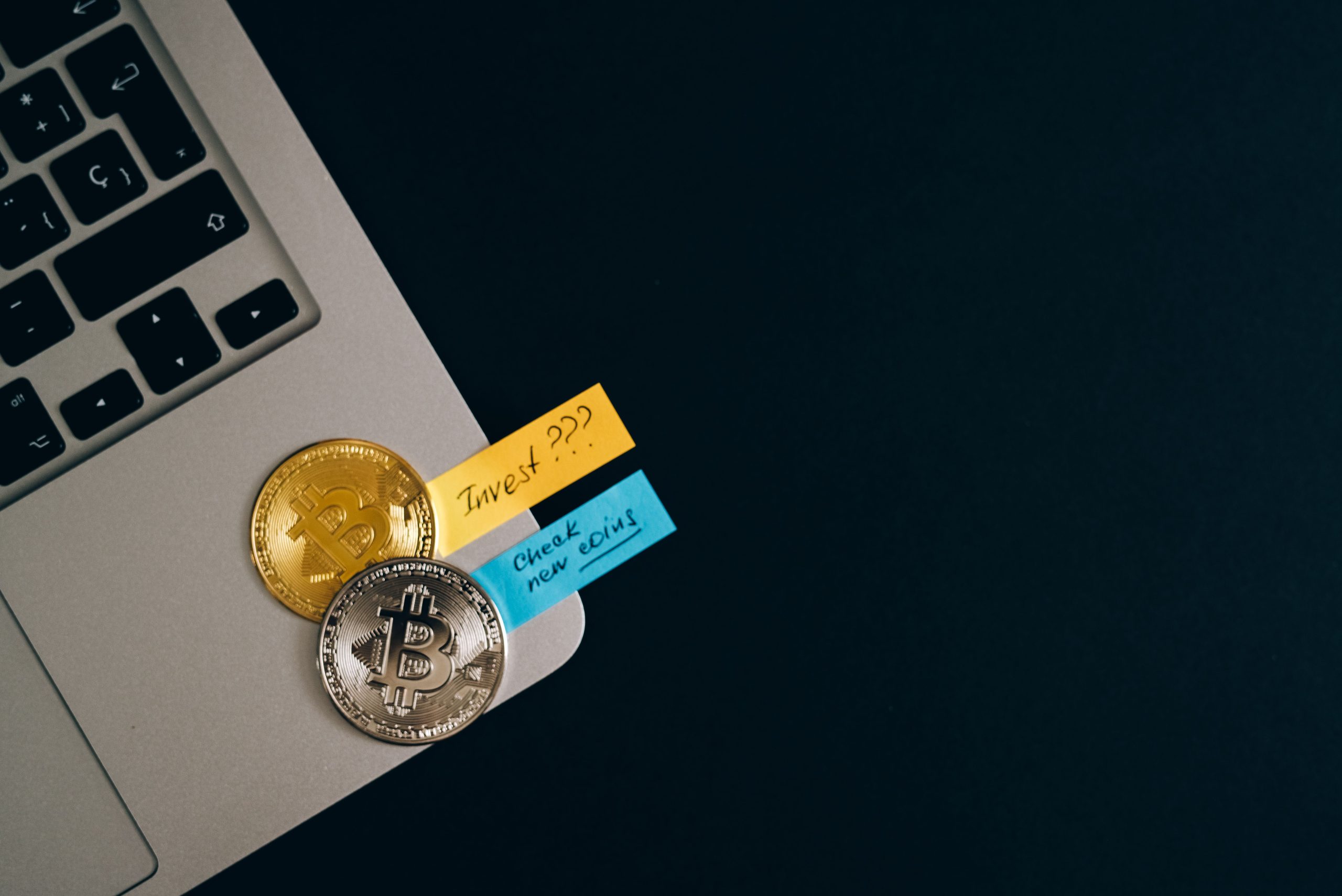
September 2, 2026 — NetNapz Market Desk. Japan-listed Remixpoint has sold its entire Ethereum, Solana, XRP and Dogecoin portfolio and shifted to a bitcoin-only crypto treasury, a move that gives traders a fresh read on how listed companies are separating reserve assets from higher-beta crypto exposure.
The company sold 901.45 ETH, 13,920 SOL, about 1.19 million XRP and 2.8 million DOGE on September 1 for a combined ¥878.8 million. The transactions generated an aggregate gain of roughly ¥117.8 million versus book value. Remixpoint now holds approximately 1,506 BTC as its only cryptocurrency position.
Why the move matters
This is more than an altcoin sale. Corporate treasuries face a different decision framework from active crypto funds: liquidity, accounting treatment, custody depth, financing access and board-level risk tolerance often matter more than upside optionality. Concentrating in Bitcoin suggests Remixpoint currently views BTC as the cleaner balance-sheet asset while treating ETH, SOL, XRP and DOGE as tactical rather than strategic reserves.
That does not automatically imply a bearish view on those altcoins. The company realized gains on ETH, SOL and XRP, while DOGE was the weaker trade. The market signal is about treasury construction: as more public companies enter crypto, traders should watch whether they diversify broadly or converge around Bitcoin.
The key question is whether Remixpoint is an isolated case or an early sign of corporate treasury consolidation around BTC. If other listed firms start trimming altcoin holdings while maintaining or expanding Bitcoin, that could strengthen Bitcoin dominance even during periods when altcoins perform well in spot markets.
What traders should watch
Bitcoin dominance: a sustained rise alongside corporate BTC accumulation would reinforce the treasury-concentration thesis.
ETH, SOL and XRP relative strength: if these assets absorb treasury selling without losing structure, it would show the market has broader sources of demand.
Japanese listed-company adoption: further treasury announcements could turn Japan into a meaningful test case for corporate Bitcoin balance-sheet strategies.
Why corporate treasury design matters
Corporate crypto holdings are becoming a distinct market segment rather than a simple extension of retail investing. A listed company has to think about liquidity, reporting, financing, custody, drawdown tolerance and how easily directors can explain the position to shareholders. Bitcoin has the deepest institutional market structure of the major crypto assets, which can make it easier to justify as a reserve-style holding even when other tokens offer stronger short-term growth narratives.
That distinction matters for traders because corporate buying can become a slower-moving source of structural demand. If treasury buyers increasingly concentrate in BTC while trading funds continue to rotate among ETH, SOL, XRP and meme coins, the market can produce periods where Bitcoin dominance rises even though selected altcoins remain strong. The signal is therefore not “altcoins are finished”; it is that different classes of buyers may be using crypto for different purposes.
What could change the thesis
The treasury-concentration thesis would weaken if Remixpoint or similar listed companies begin rebuilding diversified crypto positions, or if a growing number of public companies adopt ETH, SOL or other assets as long-term balance-sheet reserves. It would strengthen if additional firms sell higher-beta tokens while retaining or expanding Bitcoin exposure.
Traders should also separate company-specific balance-sheet decisions from broad market demand. A corporate sale can be absorbed easily if ETF, fund, exchange and retail demand remain healthy. The more useful confirmation would be a pattern across several listed companies rather than one transaction.
NetNapz assessment
Remixpoint’s move is best treated as a treasury-allocation signal, not a universal verdict on altcoins. Bitcoin is increasingly competing for a specific role as a corporate reserve asset, while other tokens remain more dependent on growth, ecosystem activity and speculative risk appetite.
What to watch next
Watch Bitcoin dominance, new Japanese corporate treasury announcements, relative strength in ETH/SOL/XRP after the sales, and whether future company filings show BTC accumulation continuing while altcoin exposure stays at zero.
Bottom line
The immediate transaction is small relative to the global crypto market, but the strategic message is useful: listed companies may increasingly split crypto into “reserve” and “risk” buckets. If that behavior spreads, Bitcoin could gain a more durable balance-sheet bid even during periods when altcoins outperform tactically.
Sources
The Block — Remixpoint treasury shift
Market analysis is informational and educational, not financial advice.