

Iranian Tanker Reportedly Hit Near Kharg Island as Weekend Oil Risk Jumps
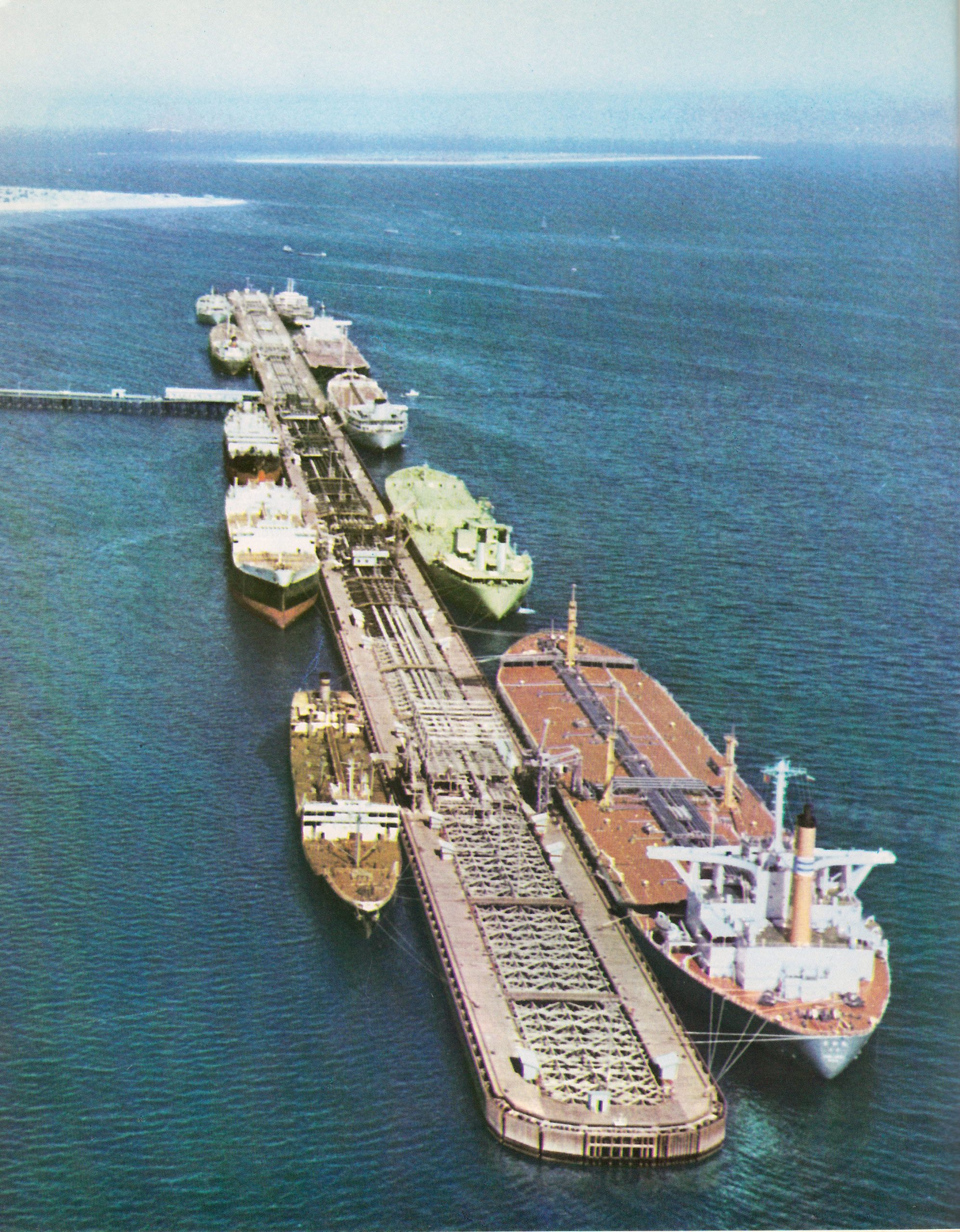
NetNapz Market Desk · September 5, 2026 — Iranian media reported Saturday that a small oil tanker was struck near Kharg Island, Iran’s strategic crude-export hub, adding a fresh weekend escalation risk for oil, inflation expectations, the U.S. dollar and global risk assets before futures reopen.
Reuters, citing Iran’s semi-official Tasnim news agency, reported that the vessel was hit by four U.S. missiles roughly 10 kilometres from Kharg Island and that the crew was being evacuated with no casualties reported. Spanish newspaper El País separately reported that Tasnim and Nournews described the tanker as having been struck near the island. As of publication, there was no public confirmation from U.S. Central Command or an independently verifiable U.S. military release tying American forces to this specific September 5 incident.
That confirmation gap matters. NetNapz is treating the strike attribution as an Iranian-media claim, not an independently confirmed U.S. action. The market significance is nevertheless clear: Kharg sits at the centre of Iran’s oil-export system, and any escalation around tankers or terminal infrastructure can quickly change the probability of a weekend gap in crude and a renewed inflation shock across rates and equities.
Why Kharg Island matters to global oil risk
Kharg has historically handled the overwhelming majority of Iran’s crude exports. The island’s deepwater loading infrastructure gives it outsized strategic importance because much of Iran’s coastline cannot accommodate the largest crude carriers. That makes incidents around Kharg more consequential than a routine shipping disruption elsewhere in the Gulf.
The United States has already demonstrated that tanker traffic toward Iranian ports is part of the current confrontation. In June, U.S. Central Command publicly said it disabled the Botswana-flagged M/T Lexie with a Hellfire missile after the vessel ignored repeated warnings while heading toward Kharg Island. CENTCOM said that action was part of blockade enforcement. That prior official precedent makes Saturday’s Iranian account plausible enough to matter to traders, while still falling short of proving the latest attribution.
The weekend setup: oil is closed, but the risk premium is not
Brent finished Friday in the mid-$90s after an exceptionally volatile week dominated by U.S.-Iran fighting, Strait of Hormuz disruption and shifting expectations over how much Gulf supply is still reaching world markets. Because the tanker report arrived during the weekend, the first clean market test will come when crude futures reopen.
The important distinction is between a contained vessel incident and a widening campaign against export infrastructure. If the event remains limited to one tanker and no damage is reported at Kharg’s loading facilities, crude may initially gap higher but fade as traders reassess physical supply. If U.S. or Iranian authorities confirm broader attacks around the island, or if terminal operations are disrupted, the supply-risk premium could rebuild quickly.
Cross-asset consequences for rates, gold, Bitcoin and Nasdaq
The timing is especially important because Friday’s strong U.S. payroll report had already pushed Treasury yields and the dollar higher while pressuring gold and tightening financial conditions. A fresh oil shock would reinforce the inflation side of that macro move, making it harder for markets to dismiss the payroll surprise as a one-session repricing.
For gold, the signal is mixed but potentially powerful: geopolitical demand is supportive, while higher real yields and a stronger dollar are restrictive. A crude-driven inflation shock that lifts yields again could initially keep gold volatile rather than automatically bullish. For Bitcoin, the risk is similar. Weekend crypto can trade before traditional futures reopen, so BTC may become the first liquid proxy for whether investors view the tanker report as a genuine escalation or a contained event.
Nasdaq 100 and Nvidia are exposed through the rates channel rather than the oil market directly. If crude reopens sharply higher and Treasury yields follow, long-duration technology shares face another valuation headwind. Conversely, if oil barely reacts, Friday’s payroll-driven rates move remains the more important macro anchor.
NetNapz assessment
This is a fresh, market-relevant escalation because it occurred after Friday’s close and directly touches the infrastructure complex most capable of adding an energy-driven inflation premium to the post-payroll rates shock. The key risk is not the reported damage to one tanker; it is whether the incident signals a broader campaign around Kharg or triggers retaliation that further impairs Gulf shipping.
The thesis is invalidated if U.S. and Iranian authorities deny or materially downgrade the incident and crude futures reopen without a meaningful risk premium. It strengthens if CENTCOM or Iranian officials confirm repeated strikes, terminal disruption, additional tanker casualties or new restrictions around Kharg and Hormuz.
What to watch next
- U.S. Central Command: any confirmation, denial or operational statement on the reported September 5 strike.
- Iranian authorities: vessel identity, damage assessment and whether Kharg terminal operations were affected.
- Brent and WTI futures: the opening gap and whether gains persist beyond the first hour of trade.
- Shipping data: tanker departures, arrivals and any fresh restrictions near Kharg or the Strait of Hormuz.
- Treasury yields and DXY: whether an energy shock extends Friday’s payroll-driven tightening move.
- Bitcoin: weekend price action as the first liquid cross-asset gauge before traditional futures reopen.
Deeper context: physical flows remain the deciding factor
Headline risk around Hormuz has repeatedly produced violent crude moves, but physical flows have often proved more resilient than visible ship-tracking data initially suggested. Recent reporting has highlighted increased “dark” tanker activity, with vessels reducing or disabling public AIS signals. That means traders should distinguish between military escalation and actual barrels removed from the market.
A durable oil breakout would require evidence that exports from Iran or neighbouring Gulf producers are being materially constrained. Without that confirmation, the market may continue to price an elevated but unstable geopolitical premium rather than a sustained shortage.
Bottom line
The reported tanker strike near Kharg is the strongest fresh weekend development for the NetNapz desk because it adds a new energy and geopolitical catalyst after Friday’s payroll-driven rates shock. Attribution to U.S. forces remains unconfirmed, so traders should treat the military claim cautiously. The decisive test is whether official confirmation arrives and whether crude, shipping activity and Gulf infrastructure show evidence of a broader disruption when markets reopen.
Sources
- Reuters — September 5 report citing Tasnim on the tanker strike near Kharg Island
- Associated Press — September 5 independent report citing Iranian state TV and noting no immediate U.S. comment
- El País — September 5 report citing Tasnim and Nournews
- U.S. Central Command — prior official blockade action against M/T Lexie near Kharg Island
- Wikimedia Commons — Kharg oil terminal image and public-domain status

Reporting on an active conflict can change quickly. Military attribution in this article is clearly identified where it remains unconfirmed. Market levels can move rapidly; this article is informational and does not constitute financial advice.