

China Exports Surge 25% as AI and Auto Demand Drives $119B August Trade Surplus
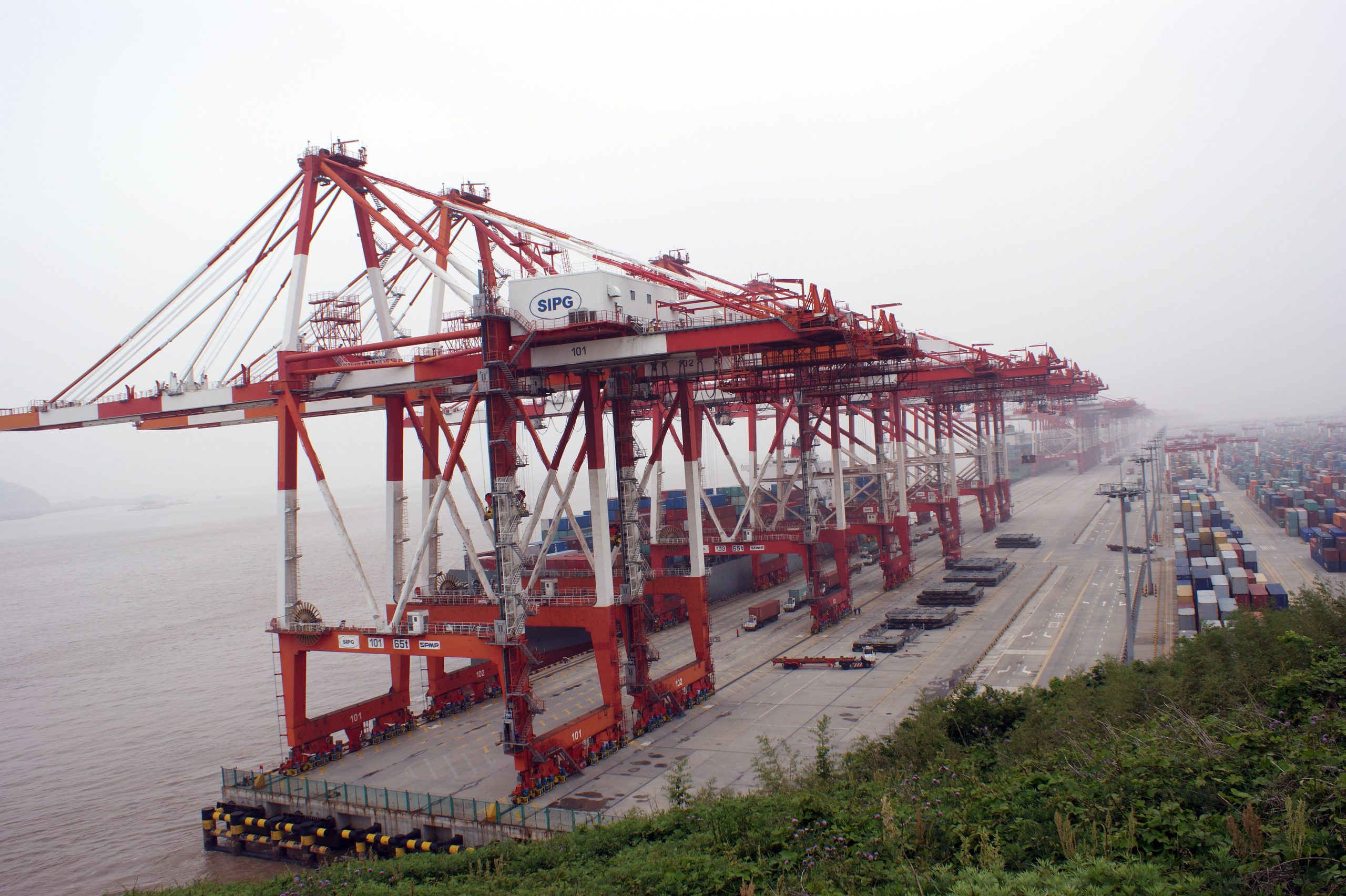
NetNapz Market Desk · September 8, 2026 — China’s export engine accelerated again in August, with exports rising 25% year over year in U.S.-dollar terms and imports climbing 28.2%, according to customs data released Tuesday. The result produced a $119.09 billion monthly trade surplus, up from $112.5 billion in July, and reinforced one of the biggest macro themes facing traders this quarter: China is still exporting strength through autos, semiconductors, batteries and high-tech equipment even while its domestic economy remains comparatively soft.
The figures matter beyond China. Strong external demand supports Asian manufacturing, chip supply chains, industrial metals and global freight activity, while a wider Chinese surplus can intensify trade tensions with the U.S. and Europe. For macro traders, that creates a two-sided setup: stronger global goods demand is supportive for cyclicals and selected technology exporters, but persistent trade imbalances can also raise tariff risk, currency friction and policy uncertainty.
What happened
China’s General Administration of Customs reported another month of double-digit trade growth in August. Independent reporting based on the customs release shows exports reaching roughly $401.44 billion, with imports around $282.36 billion. Export growth accelerated from 23.9% in July, while imports also remained strong.
Autos and high-tech goods were major contributors. The global AI infrastructure buildout has continued to support demand for semiconductors, data-processing equipment and related manufacturing inputs, while electric vehicles, batteries and solar equipment remain important export channels. Exports to the U.S. also rose sharply from a year earlier, highlighting the extent to which companies are still pushing shipments through despite tariff uncertainty and a more confrontational trade backdrop.
Why traders should care
The first implication is for the global growth narrative. China’s export strength is helping offset weaker domestic investment and property activity, which reduces the near-term urgency for a large-scale stimulus shock from Beijing. That matters for the yuan, Asian equities and industrial commodities because markets are not dealing with a simple “China slowdown” story; they are dealing with an economy where external manufacturing demand is unusually resilient while internal demand remains uneven.
The second implication is AI and semiconductor demand. Strong Chinese high-tech exports reinforce the view that the global AI capex cycle is still feeding through the physical supply chain. That is relevant for Nvidia, memory producers, foundries, networking suppliers, power infrastructure and equipment makers. It also strengthens the case for watching Asian technology exporters alongside U.S. megacaps rather than treating AI demand as a purely American equity theme.
The third implication is trade-policy risk. A $119 billion monthly surplus is politically significant. If China continues to run large surpluses into late 2026, pressure for tariffs, quotas or sector-specific restrictions can rise further in the U.S. and Europe. That would matter directly for autos, batteries, solar, semiconductors and industrial machinery, and indirectly for FX through the yuan, euro and dollar.
Cross-asset consequences
Equities and AI
For semiconductor and AI-linked equities, the trade numbers add another piece of evidence that demand for high-tech hardware remains robust. Nvidia and major chip-equipment names can benefit if the AI buildout continues to lift end-market demand, but investors should distinguish between demand strength and policy accessibility. Export restrictions, licensing rules and local substitution remain major variables.
Commodities
Industrial metals traders should watch whether strong imports extend into copper, energy and other raw materials. China’s export boom increases manufacturing throughput, but not every commodity benefits equally. A sustained rise in imported industrial inputs would be a stronger confirmation that factory activity is translating into real upstream demand.
FX and rates
The yuan did not deliver an immediate dramatic reaction to the trade release, with global markets still focused on U.S. inflation and Federal Reserve pricing. But the underlying balance-of-payments story remains supportive relative to a weaker export backdrop. For the U.S. dollar, the larger immediate catalyst remains CPI and Fed expectations, while USD/JPY continues to trade primarily off BOJ tightening bets and carry-trade unwinds.
What to watch next
Traders should monitor four follow-through signals. First, whether September export orders remain strong after pre-holiday and pre-Christmas shipments. Second, whether U.S. and European officials respond with tougher trade language or new sector measures. Third, whether Chinese import growth continues to confirm stronger demand for energy, metals and advanced components. Fourth, whether the yuan and Asian equity markets begin to price the export resilience more aggressively once the current U.S. inflation event risk passes.
Decision levels and thesis risks
The bullish global-growth interpretation strengthens if China’s exports and imports both remain in double-digit growth territory while industrial commodity demand broadens and Asian technology equities continue to outperform. The thesis weakens if export growth fades sharply, domestic demand deteriorates further or new tariffs materially disrupt shipments.
The trade-policy risk thesis strengthens if the U.S. or EU announces fresh restrictions on Chinese autos, batteries, solar equipment, semiconductors or industrial machinery. It weakens if upcoming U.S.-China talks produce a credible extension of tariff stability and if trade balances begin to normalize.
Bottom line
China’s August trade report is a real macro catalyst, not just another data point. A 25% export surge and a $119.09 billion monthly surplus show that global demand for Chinese autos and high-tech goods remains powerful. That is supportive for the AI hardware and Asian manufacturing story, but it also raises the stakes for the next round of trade negotiations. For traders, the cleanest framework is to watch whether strong export demand continues to lift commodities and technology without provoking a policy response large enough to reverse the risk-on impulse.
Sources
General Administration of Customs of China — preliminary trade release
Reuters — China exports up 25%, imports up 28.2%
Associated Press — China exports accelerate on autos and high-tech demand
South China Morning Post — August export detail and market context
Market analysis is for information and education only and is not financial advice. Economic releases can be revised, and market pricing can change rapidly around macro and geopolitical events.