

Iran Turns to Tether and Bitcoin as Sanctions Squeeze Trade Channels
September 9, 2026 — NetNapz Market Desk: Iran is leaning harder on digital assets as war, sanctions and a tightening financial blockade disrupt conventional trade channels, putting Tether’s USDT and Bitcoin back at the intersection of stablecoin liquidity, sanctions enforcement and Gulf geopolitics.
The Financial Times reported Wednesday that Iranian businesses and regime-linked actors are increasingly using cryptocurrencies — particularly Tether, alongside bitcoin — to settle cross-border transactions as Tehran relaxes some of its historically strict foreign-currency controls. The development matters beyond Iran: it highlights how dollar-linked stablecoins can become settlement rails when access to correspondent banking is constrained, while simultaneously increasing compliance and counterparty risk for exchanges, issuers and intermediaries.
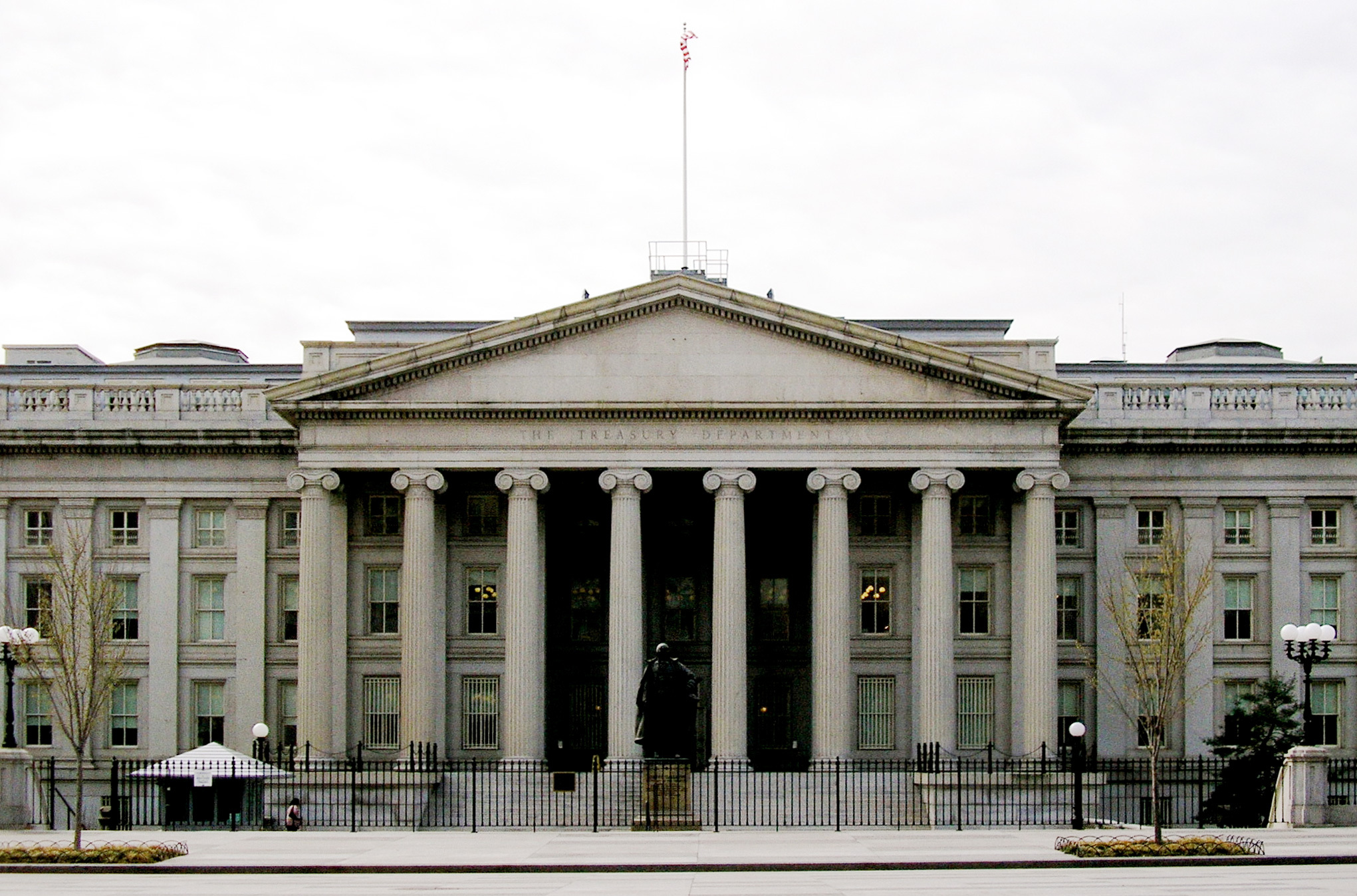
The report fits an enforcement trail already documented by the U.S. Treasury. On August 7, OFAC sanctioned digital-asset exchanges it said were used by the Iranian regime to launder funds, maintain access to international finance and support the IRGC. Treasury specifically designated Iran-based Aban Tether and said it had processed millions of dollars involving previously designated Iranian exchanges.
Why this matters for USDT and crypto liquidity
USDT’s attraction in a sanctions-constrained economy is straightforward: it combines dollar denomination with blockchain settlement and can move outside traditional bank wires. But that utility does not make the system permissionless in practice. Centralized stablecoin issuers, exchanges and custodians can freeze or block sanctioned addresses, while regulated intermediaries face increasingly sophisticated transaction-monitoring obligations.
Treasury’s June action against Nobitex is important context. OFAC said Iran’s largest digital-asset exchange processed more than half of Iranian digital-asset inflows in 2025 and helped the Central Bank of Iran access hundreds of millions of dollars in stablecoins. Treasury also said its wider pressure campaign had contributed to the freezing of nearly half a billion dollars in regime-linked cryptocurrency.
The trader read-through
This is not a simple bullish adoption story for Tether, Bitcoin or the broader crypto complex. Increased real-world settlement demand can support transaction volumes and reinforce stablecoins’ role as global dollar rails, but sanctions-linked activity raises a different set of risks: address blacklisting, exchange restrictions, enhanced compliance controls and political scrutiny of stablecoin issuers.
For traders, the more important transmission channel may be cross-asset. Brent crude was near $100 early Wednesday as Gulf hostilities intensified. If sanctions pressure and physical disruption to Iranian trade increase simultaneously, crypto settlement demand can rise at the same time that oil-driven inflation expectations pressure risk assets and rates. That creates an unusual regime in which blockchain usage can strengthen while crypto prices remain vulnerable to macro tightening.
NetNapz assessment
The structural signal is the convergence of three forces: a U.S.-led effort to restrict Iran’s conventional financial channels, documented Iranian use of digital-asset infrastructure, and fresh reporting that crypto is becoming more useful for ordinary cross-border commerce under wartime pressure. That reinforces stablecoins as geopolitical financial infrastructure — but also increases the probability of enforcement actions around the infrastructure that touches sanctioned flows.
For USDT specifically, the key distinction is between network demand and issuer risk. Higher settlement demand is not automatically price-sensitive because USDT is designed to remain near one dollar. The market impact is more likely to appear through stablecoin supply, chain-specific transfer volumes, exchange liquidity, compliance actions and any changes in redemption or access conditions.
What to watch next
Traders should watch for new OFAC designations involving Iranian exchanges or wallet clusters; any public freeze or enforcement action by major stablecoin issuers; changes in USDT flows across Tron and Ethereum; evidence that Iranian trade settlement is migrating materially toward bitcoin rather than dollar stablecoins; and any tightening of exchange controls affecting counterparties exposed to Iran.
The macro confirmation is continued escalation in the Gulf alongside Brent holding above the high-$90s or breaking $100. The crypto-specific confirmation would be independently verifiable growth in sanctioned-region stablecoin flows or new official enforcement disclosures. The thesis weakens if conventional trade channels reopen, sanctions pressure eases, or crypto usage remains anecdotal rather than visible in authoritative flow data.
Broader context: sanctions are already targeting crypto rails
Washington has spent much of 2026 broadening its Iran campaign from oil and shadow banking into digital assets. Treasury’s August action said Iranian actors used lightly regulated digital-currency platforms and corporate networks to move large volumes of crypto. A separate August Treasury action described Iran’s shadow banking system as increasingly constrained by U.S. pressure. The September 8 expansion of sanctions against Iranian aviation and procurement networks shows that enforcement pressure remains active rather than historical background.
Bottom line
Iran’s growing reliance on Tether and bitcoin is a meaningful stablecoin and geopolitical-finance story, not merely another crypto-adoption headline. It demonstrates the utility of blockchain settlement when banking rails fracture, while simultaneously raising the enforcement risk around the exchanges, wallets and issuers that make those rails usable. For traders, watch flows and enforcement rather than expecting USDT itself to become a directional trade.
Sources
- Financial Times, September 9, 2026: “Iran turns to crypto to get around sanctions.”
- U.S. Department of the Treasury / OFAC, August 7, 2026: “Treasury Sanctions Crypto Exchanges Funding Iran’s IRGC and Enabling Illicit Finance.”
- U.S. Department of the Treasury / OFAC, June 2, 2026: “Economic Fury Targets Iran’s Largest Digital Asset Exchange for Terror Finance and Sanctions Evasion.”
- U.S. Department of the Treasury, September 8, 2026: Operation Economic Outcast sanctions action.
- Wikimedia Commons: U.S. Treasury Building photograph by Loren, public domain.
Risk disclosure: This article is market analysis and news commentary, not investment advice. Digital assets are volatile, and sanctions-related transactions can carry significant legal, compliance and counterparty risks.