


Oil Above $100 Forces a New Inflation Test Across Global Markets
ENERGY · GLOBAL MARKETS — Updated 14 September 2026
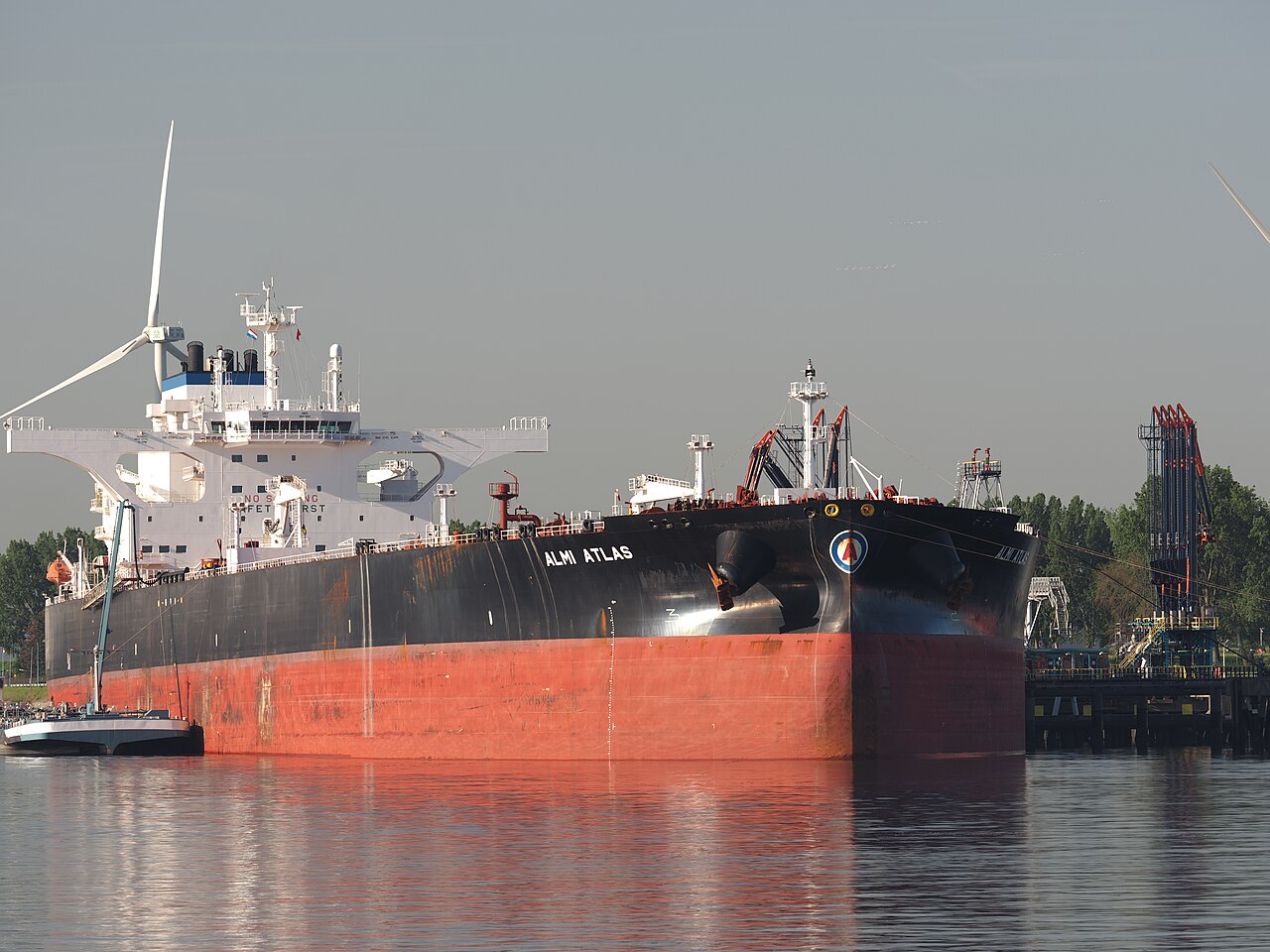
Oil has again become the transmission mechanism connecting geopolitics, inflation, interest rates and risk appetite. Brent moved back above $107 a barrel after attacks on Saudi energy infrastructure and renewed concern about routes that bypass the Strait of Hormuz. The immediate story is supply security, but the wider market consequence is an inflation shock arriving just before major central-bank decisions.
The logistics matter as much as headline production. Disruption around Hormuz, the Red Sea and Saudi Arabia’s East–West pipeline can raise tanker, insurance and fuel costs even when physical barrels continue to move. Earlier 2026 disruptions reduced access to Middle Eastern crude and forced production shut-ins, according to the U.S. Energy Information Administration. Shipping capacity and alternative routes are therefore market variables, not background details.
For equities, higher oil behaves like a tax on transport, manufacturing and household demand. Energy producers may benefit, while airlines, chemicals, consumer shares and rate-sensitive technology can face a double hit from higher input costs and higher discount rates. Oil-importing economies also carry a larger terms-of-trade burden.
Gold has not behaved as a simple inflation hedge. Rising yields and a firmer dollar have outweighed some safe-haven demand. That tension may persist until markets know whether the Federal Reserve treats the energy shock as temporary or as a reason to maintain tighter policy.
NetNapz assessment
Neutral to bearish for broad risk assets while Brent remains above $105 and long-term yields stay elevated. Select energy exposure can remain supported, but it is vulnerable to any credible reopening of routes or diplomatic breakthrough.
Bullish scenario
Oil falls back below $100, shipping premiums ease and bond yields retreat. That combination would improve the backdrop for technology, consumer shares, gold and crypto liquidity.
Bearish scenario
Fresh infrastructure attacks, a prolonged pipeline closure or renewed restrictions around Hormuz push crude toward recent highs and force markets to price additional central-bank tightening.
What traders should watch
Brent at $105 and $110; the U.S. 10-year yield near 5%; tanker and insurance rates; official Saudi infrastructure updates; regional diplomacy; and Wednesday’s Federal Reserve decision.
Why this matters
Energy costs feed almost every major asset class. They affect headline inflation, company margins, consumer spending, trade balances and the interest-rate path used to value stocks and crypto.
Bottom line
The oil story is no longer isolated to commodities. Until supply routes stabilise, it remains the most important upside risk to inflation and the clearest downside risk to broad market liquidity.
Sources
- Reuters — oil, shipping and global markets
- U.S. EIA — petroleum market disruption
- U.S. EIA — world oil transit chokepoints
Markets and digital assets involve substantial risk. This article is market analysis and education, not financial advice. Verify data independently and use defined risk limits.