

U.S. 10-Year Yield Breaks 5% as Oil Shock Pushes Fed Hike Odds Toward Certainty
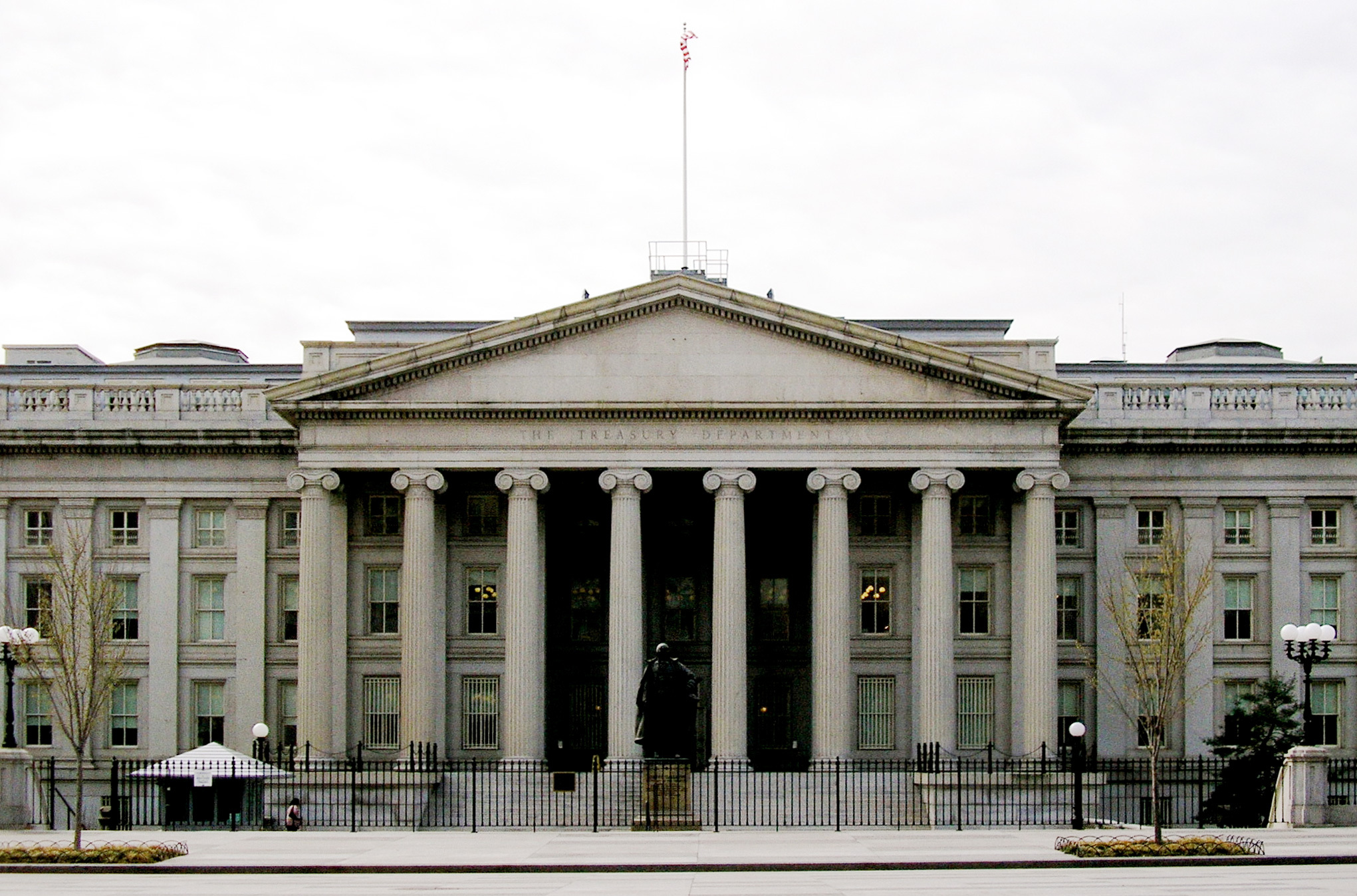
NETNAPZ MARKET DESK · 15 September 2026 — The U.S. 10-year Treasury yield briefly climbed to about 5.04% on Tuesday, its highest level since 2007, as another rise in oil prices reinforced the market’s expectation that the Federal Reserve will raise interest rates at its September 16 decision. The move is now a cross-asset event rather than a bond-market story: the dollar strengthened, global equities weakened, gold came under pressure and Bitcoin fell toward the mid-$75,000 area.
Reuters reported that markets were assigning roughly a 95% probability to a Fed increase as the two-day meeting began. Oil remained above $105 a barrel amid renewed Middle East supply concerns, adding to an inflation backdrop already complicated by firm U.S. data. The result is a difficult combination for risk assets: a commodity shock lifting inflation expectations at the same time that longer-term borrowing costs are moving through psychologically important levels.
Why the 5% Treasury threshold matters
A 10-year yield above 5% changes the hurdle rate for almost every major asset class. Government bonds compete more directly with equities for capital, mortgage and corporate borrowing costs rise, and future earnings are discounted at a higher rate. That pressure is particularly important for long-duration growth stocks and highly valued technology companies whose market prices depend heavily on earnings expected years into the future.
Crypto is exposed through a different transmission channel but reaches a similar destination. Higher Treasury yields and a firmer dollar reduce the relative appeal of non-yielding assets, make leverage more expensive and can tighten global dollar liquidity. Bitcoin’s decline toward roughly $75,320 in Reuters’ Tuesday market snapshot therefore fits the broader macro move rather than standing as an isolated crypto event.
Oil is driving the inflation side of the trade
The bond selloff cannot be separated from energy. Reuters reported oil above $105 as Middle East tensions, Houthi attacks and delayed Gulf-Iran diplomacy kept supply risk elevated. Other market reporting showed Brent moving toward the high-$100s during Tuesday trading. When crude remains elevated for long enough, the market begins to look beyond the immediate geopolitical premium and toward second-round effects in transport, manufacturing, consumer prices and inflation expectations.
That matters because the Federal Reserve cannot repair an oil pipeline or reopen a shipping route with monetary policy. It can, however, respond if an energy shock begins to feed into broader inflation psychology. The central question for Wednesday is therefore not simply whether the Fed raises rates, but whether Chair Kevin Warsh presents the move as a one-off insurance adjustment or the start of a more persistent tightening cycle.
NetNapz assessment
The regime has shifted from “Fed-event risk” to active financial-conditions tightening. A 10-year yield around 5%, oil above $105 and a stronger dollar create a hostile combination for leveraged and duration-sensitive assets. The first relief signal would be a decisive retreat in both crude and long yields. Without that, rallies in technology and crypto should be judged against a still-restrictive macro backdrop rather than assumed to mark a durable risk-on turn.
Stocks, gold and the dollar are sending the same message
Global equities weakened as yields rose, with investors confronting a higher discount rate and renewed inflation risk. The pressure is not uniform: energy producers can benefit from higher crude prices, while airlines, transports, consumer businesses and rate-sensitive growth companies can face both higher operating costs and a higher cost of capital.
Gold has also struggled despite geopolitical tension. That apparent contradiction is important. Gold can benefit from safe-haven demand, but a stronger dollar and sharply higher real or nominal yields raise the opportunity cost of holding a non-interest-bearing asset. Tuesday’s weakness therefore shows that the rates channel is currently powerful enough to offset part of the haven bid.
The dollar has been the cleaner beneficiary. Higher U.S. yields improve the currency’s rate differential against many peers, while risk aversion can add defensive demand. USD/JPY is a particularly important cross-market gauge because Japan is approaching its own policy decision and the yen remains sensitive to both Bank of Japan expectations and U.S. yields.
What traders should watch next
The first level is the U.S. 10-year yield itself: whether 5% becomes accepted territory or proves to be an exhaustion spike. The second is Brent crude. A sustained move above the recent $105–$110 zone would reinforce the inflation shock, while a rapid retreat would remove one of the strongest arguments for additional tightening. The third is Wednesday’s Fed statement, projections and Warsh press conference. Markets will focus on whether policymakers validate expectations for further increases or push back against an extended hiking cycle.
For Bitcoin, the immediate question is whether the mid-$70,000s can absorb the rates shock and whether institutional flows stabilize after the recent volatility. For Nasdaq-linked risk, traders should watch whether semiconductor and megacap leadership can hold while the 10-year remains near 5%. For gold, a recovery alongside falling yields would be a stronger signal than a geopolitical headline alone.
What would change the thesis?
A meaningful de-escalation in Middle East energy risk, falling crude prices, a retreat in Treasury yields and a Fed message that frames Wednesday’s action as limited would weaken the tightening thesis. The opposite combination — oil holding near recent highs, yields remaining above 5% and policymakers signaling that inflation requires additional increases — would strengthen it and raise the probability of further pressure on equities, crypto and other liquidity-sensitive markets.
Bottom line
The most important market number ahead of the Fed is no longer only the policy rate. The 10-year Treasury yield breaking 5% shows that financial conditions are tightening before the central bank delivers its decision. With oil still elevated, the market is being forced to price an inflation shock, higher borrowing costs and reduced liquidity at the same time. Wednesday’s Fed communication will determine whether that combination begins to ease or becomes the dominant regime for the next phase of trading.
Sources
- Reuters — dollar, oil, Treasury yields and Fed hike expectations, 15 September 2026
- Associated Press — U.S. stocks, oil and Treasury-market pressure, 15 September 2026
- Federal Reserve — FOMC calendars and policy information
NetNapz provides market news, analysis and education. This is monitoring and scenario analysis, not personalised financial advice. Markets can move rapidly around central-bank decisions; verify live prices and use defined risk limits.