
 SPONSORED PARTNERMEXCExplore global spot and futures marketsEXPLORE MEXC →
 CHARTING PARTNERTradingViewAdvanced charts, indicators and market analysisOPEN CHARTS →
 TRADING PARTNERGMX via NetNapz TradeTrade decentralised perpetual marketsSTART TRADING →
Altcoin Due Diligence in September 2026: Separate Network Use From Token Demand
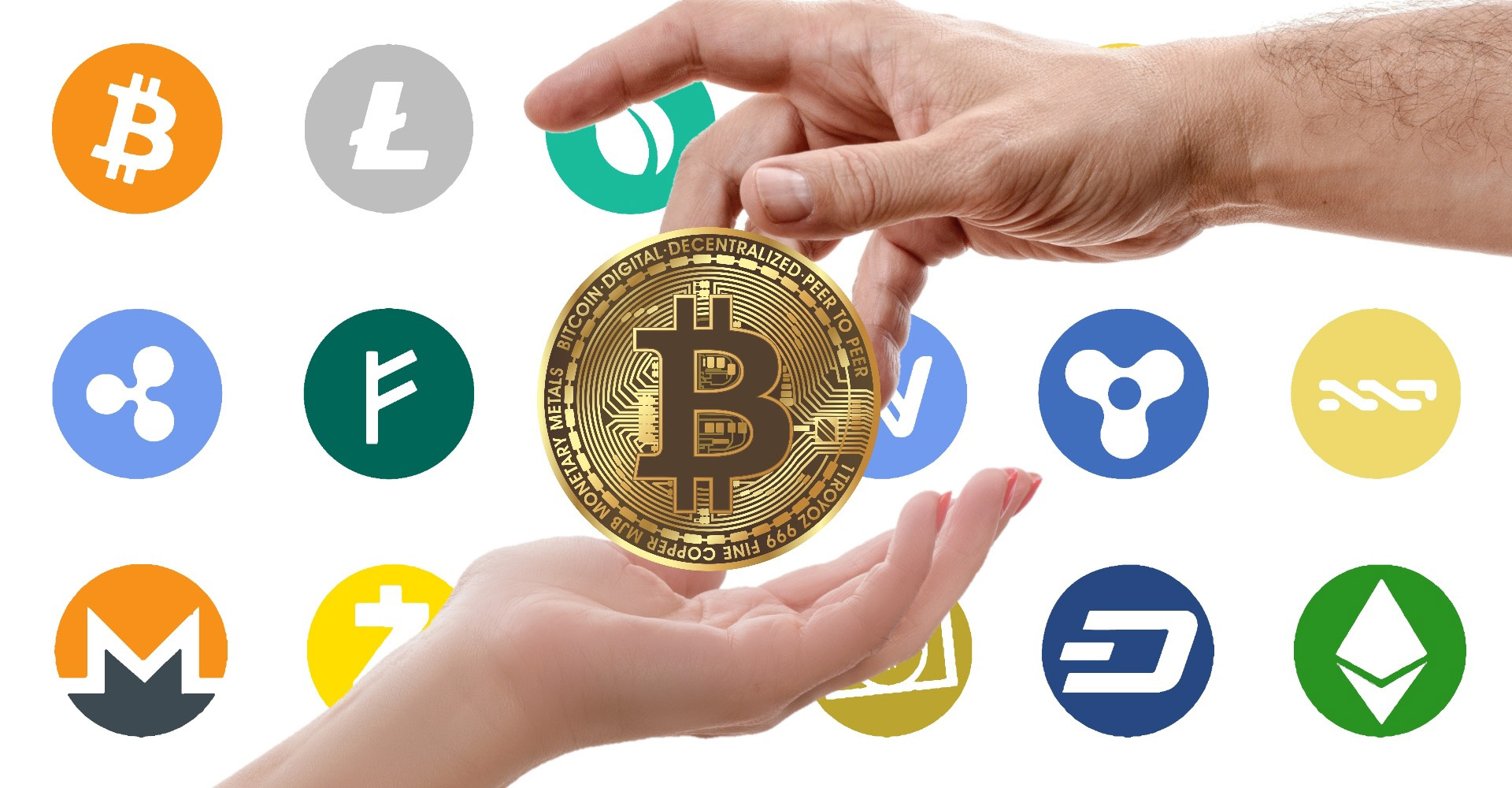

New network launches and tokenization pilots can be genuine developments without proving that the associated token will capture value. The Bank for International Settlements’ September research warns that common measures of crypto and DeFi activity can differ substantially depending on how blockchain data are processed.
What happened and what we know
Token supply is the bridge between a network story and an investment case. Ask whether fees are paid in the token, whether revenue accrues to holders, how emissions and unlocks change float, and which governance rights can actually be exercised. A chain may grow while its token underperforms if supply expands faster than demand.
Why it matters for the market
A useful altcoin review asks what a transaction count includes, whether users are distinct, who pays fees, how token supply changes, and whether the token is necessary to use the product. Promotional ecosystem statistics should be checked against a documented methodology.
One announcement is rarely enough to explain an asset’s full price move. The timing of data, the scope of the source and the difference between observed activity and a projected effect all matter. In this article, the scenarios below describe conditions to test, not promised outcomes.
Deeper context and limits
A large ecosystem announcement often combines several layers: a product, a network, a governance token and a traded asset. Their incentives can differ. For instance, increased user transactions may generate fees, yet those fees might pay validators or intermediaries rather than token holders. A precise investment case maps the cash or utility path from activity to token demand.
Supply is equally important. Circulating market cap can look modest while future unlocks imply a much larger fully diluted valuation. Compare vesting dates, treasury control and governance voting concentration. If incentives fund usage, the activity may fade when rewards end. Sustained retention and unsubsidized fees are stronger evidence than a single week of active addresses.
Bull, bear and neutral cases
Bull case
Repeat usage by independent users, transparent fees and credible value accrual would support a stronger case.
Bear case
Inflated transaction counts, concentrated ownership, large unlocks or subsidized activity can weaken it even amid promotional growth.
Neutral case
Network adoption can rise while token valuation stays flat if the benefits accrue elsewhere.
Confirmation and invalidation
Reproduce the usage metric and compare multiple periods. Invalidate a token-demand story if the token is not necessary for the activity claimed.
Track independently verifiable usage and supply over several reporting periods. Treat price targets and adoption claims as hypotheses until the issuer’s disclosures and on-chain evidence align.
Reader checklist
- Read tokenomics and unlock schedules.
- Compare wallet activity with distinct economic users.
- Separate protocol revenue from token-holder rights.
Published 26 September 2026. This is a dated report, not a live price feed or personal investment advice. Source documents may be revised after publication.