
 SPONSORED PARTNERMEXCExplore global spot and futures marketsEXPLORE MEXC →
 CHARTING PARTNERTradingViewAdvanced charts, indicators and market analysisOPEN CHARTS →
 TRADING PARTNERGMX via NetNapz TradeTrade decentralised perpetual marketsSTART TRADING →
Tokenization in 2026: Settlement, Ownership and Reserves Must Be Tested Separately
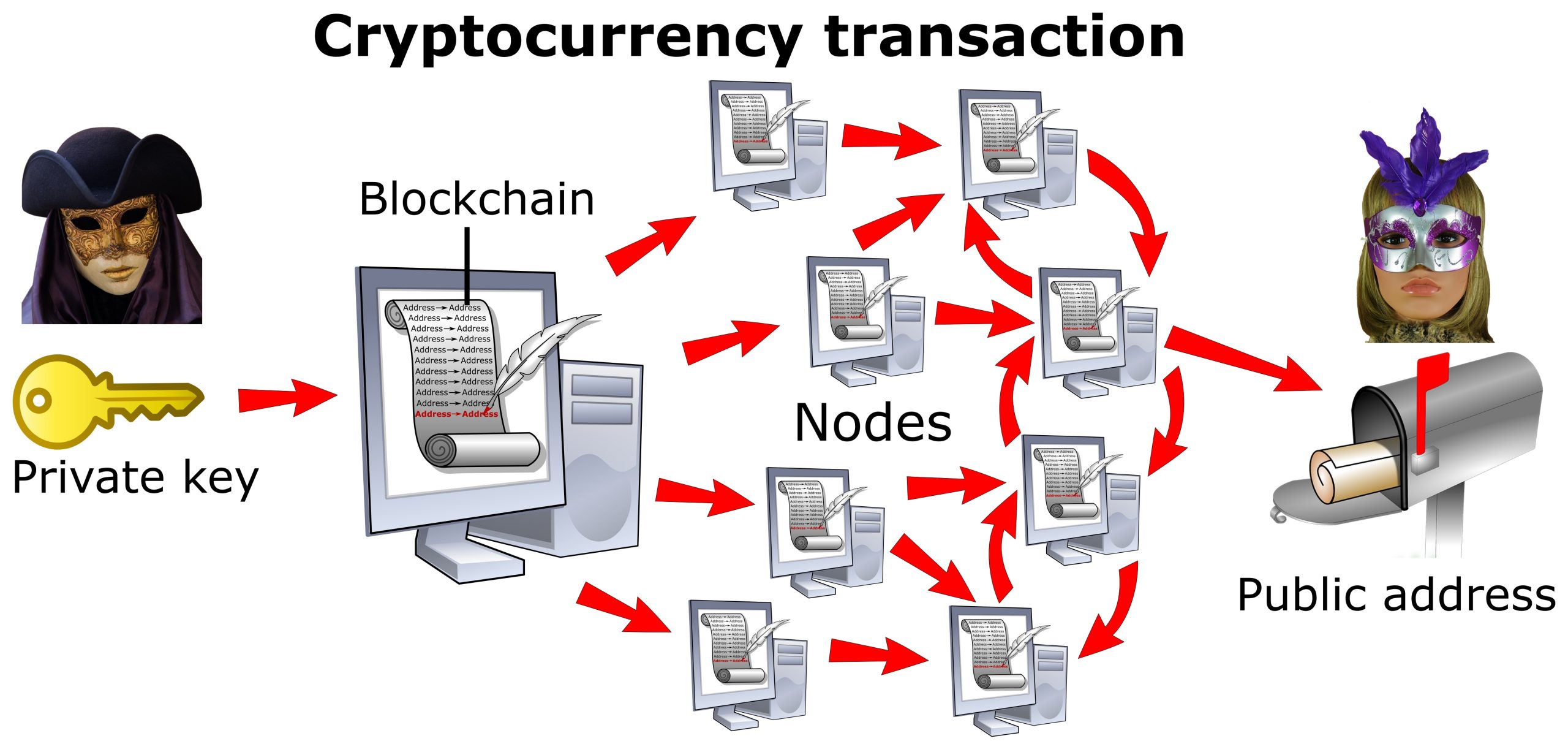

The BIS described tokenised finance as promising but noted that adoption is constrained in part by the need for a safe settlement asset. The SEC’s September 18 innovation exemption concerns certain tokenized U.S. stocks, within a defined regulatory scope.
What the evidence shows
Tokenization changes how an interest can be represented and transferred, but it does not erase the legal structure behind the claim. A tokenized share with enforceable rights differs from a synthetic instrument that merely tracks a price. The SEC’s exemption has a defined scope; it should not be generalized to every on-chain equity product.
Settlement requires an asset leg and a money leg. The BIS emphasizes the role of safe settlement assets. In practice, intermediaries must reconcile ownership records, transfer restrictions, corporate actions and custody. A faster transfer may improve operations while leaving counterparty and legal risks intact.
Why it matters
A token may represent an asset, a contractual claim or merely price exposure. Investors should identify the legal issuer, shareholder rights, custody arrangement, transfer restrictions and what happens if an intermediary fails. On-chain settlement cannot by itself prove ownership of an off-chain asset.
Deeper context and limits
Tokenized stocks can bring corporate actions into software workflows, but dividends, voting and transfer restrictions must still be administered. If a token is held through an intermediary, the investor may own a contractual claim against that intermediary rather than direct registered shares. The marketing term 'tokenized stock' alone cannot settle the question.
Liquidity can fragment between traditional exchanges, permitted token venues and private systems. Interoperability and the legal recognition of settlement finality are therefore practical questions. A proof-of-concept transaction demonstrates a technical path, but it does not prove retail availability, robust secondary liquidity or equivalence across jurisdictions. The exact SEC order defines its scope.
Bull, bear and neutral cases
Bull case
Clear rights, credible settlement and actual institutional use could improve efficiency and market access.
Bear case
Fragmented liquidity, restricted transfers and unclear insolvency treatment could limit adoption.
Neutral case
Pilots may be operationally valuable before generating significant public-chain volume or token demand.
Confirmation and invalidation
Verify a live transaction under the specific framework, legal documentation and redemption mechanics. Invalidate claims of shareholder equivalence if rights differ.
Read the exact regulatory order and issuance documents before treating a pilot as open market access. Verify reserves and redemption mechanics from the issuer, with independent assurance where available.
Reader checklist
- Identify the legal issuer and custodian.
- Read rights, transfer restrictions and insolvency terms.
- Separate pilot volume from a scalable, open market.
Published 26 September 2026. This is a dated report, not a live price feed or personal investment advice. Source documents may be revised after publication.