
 SPONSORED PARTNERMEXCExplore global spot and futures marketsEXPLORE MEXC →
 CHARTING PARTNERTradingViewAdvanced charts, indicators and market analysisOPEN CHARTS →
 TRADING PARTNERGMX via NetNapz TradeTrade decentralised perpetual marketsSTART TRADING →
Crypto Fundamentals: What a Stablecoin Reserve Claim Does and Does Not Prove
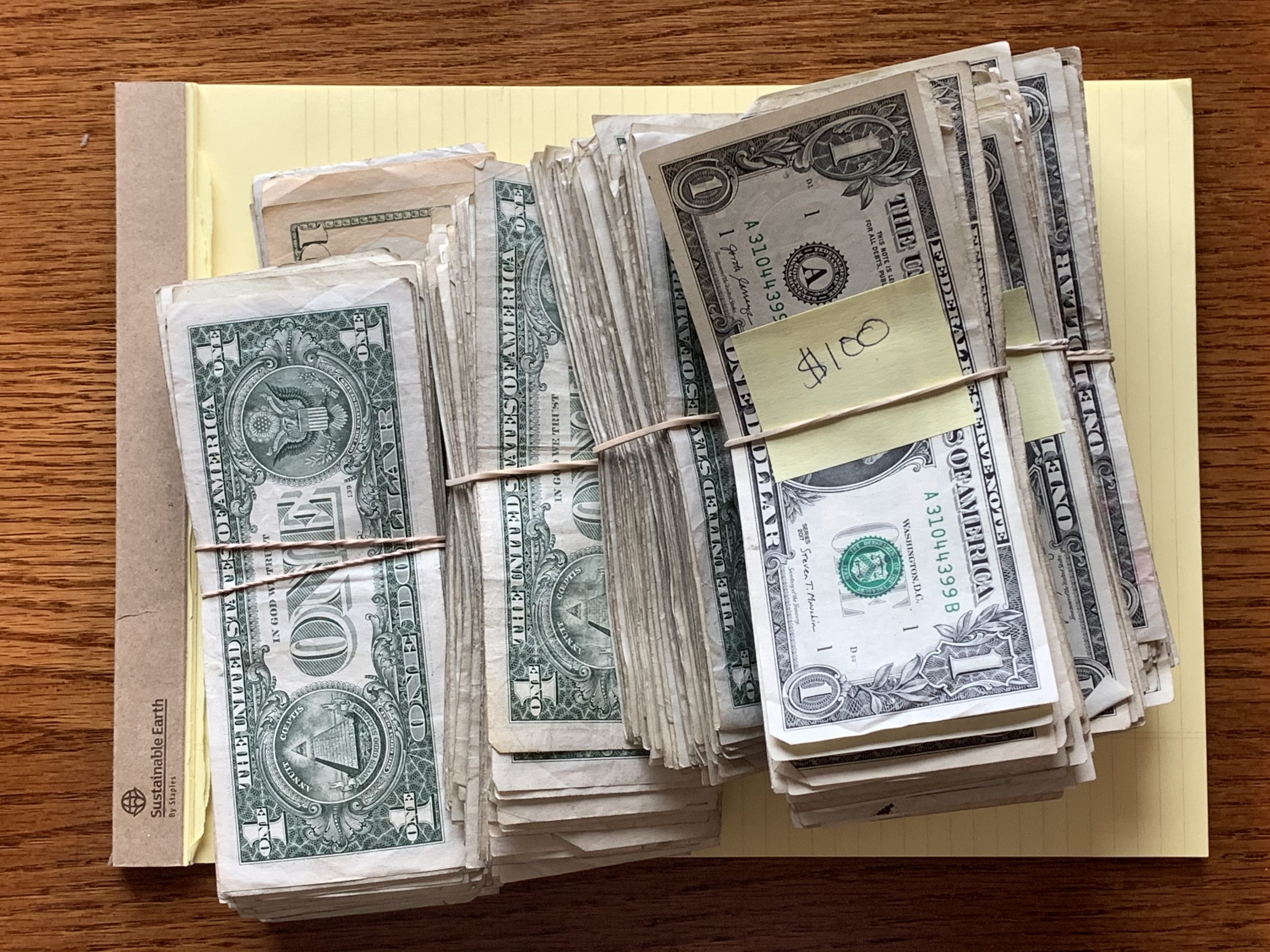

A token intended to track a currency still depends on its issuer, reserve assets, redemption process and legal claims. The Federal Reserve’s September 24 proposals focus on a framework for Board-supervised payment stablecoin issuers; they are proposals, not a blanket guarantee for every token.
What the evidence shows
A stablecoin is a claim on an issuer and its arrangements, not a banknote stored inside a blockchain. Token supply can be counted publicly on a chain, but reserve assets, custody and redemption require off-chain evidence. Different products have different legal rights and eligibility.
A proof-of-reserves snapshot can be useful yet narrower than a full financial audit, as the SEC bulletin cautions. Examine the date, assets and liabilities covered, auditor independence and whether customers can redeem directly. Proposed regulation may change the framework, but one must read the final text and effective date.
Why it matters
An on-chain token supply can be observed, while off-chain reserves require disclosures and independent assurance. The SEC’s investor bulletin cautions that some 'proof of reserves' reports are not equivalent to financial statement audits. A redemption right is meaningful only under its actual terms.
Deeper context and limits
Reserve disclosure is a chain of claims. The issuer states its liabilities and assets; an outside firm may attest to selected balances at a point in time; a full audit can cover a wider financial statement. Users should compare the scope and date of each report. A mismatch between circulating tokens and a reported reserve date can make a seemingly precise ratio misleading.
Redemption is another practical test. Some stablecoins permit only institutions to redeem directly, leaving retail users dependent on exchanges. Fees, minimums and banking hours can matter in stress. The quality and maturity of reserve assets affect how easily an issuer can meet redemptions. A stable secondary-market quote during calm trading is only one observation.
Bull, bear and neutral cases
Bull case
High-quality liquid reserves and reliable redemption can reduce uncertainty for users.
Bear case
Maturity mismatch, weak disclosure or restricted redemption can intensify a depeg under stress.
Neutral case
A stable price in normal conditions is useful evidence, but not a complete stress test.
Confirmation and invalidation
Verify current issuer disclosures and observed redemptions. Invalidate a 'fully backed' claim if it omits liabilities or depends on stale attestation.
Check issuer disclosures, reserve composition, audit or attestation scope, redemption eligibility and any jurisdictional limits. Do not infer risk-free status from a dollar ticker or a one-time snapshot.
Reader checklist
- Read the issuer’s legal terms and reserve report.
- Check who has direct redemption rights.
- Compare token supply and reserve date without assuming a guarantee.
Published 26 September 2026. Dated report, not a live price feed or personal investment advice. Source documents may be revised after publication.