
 SPONSORED PARTNERMEXCExplore global spot and futures marketsEXPLORE MEXC →
 CHARTING PARTNERTradingViewAdvanced charts, indicators and market analysisOPEN CHARTS →
 TRADING PARTNERGMX via NetNapz TradeTrade decentralised perpetual marketsSTART TRADING →
SEC Proposes Crypto Custody Path for Advisers and Regulated Funds
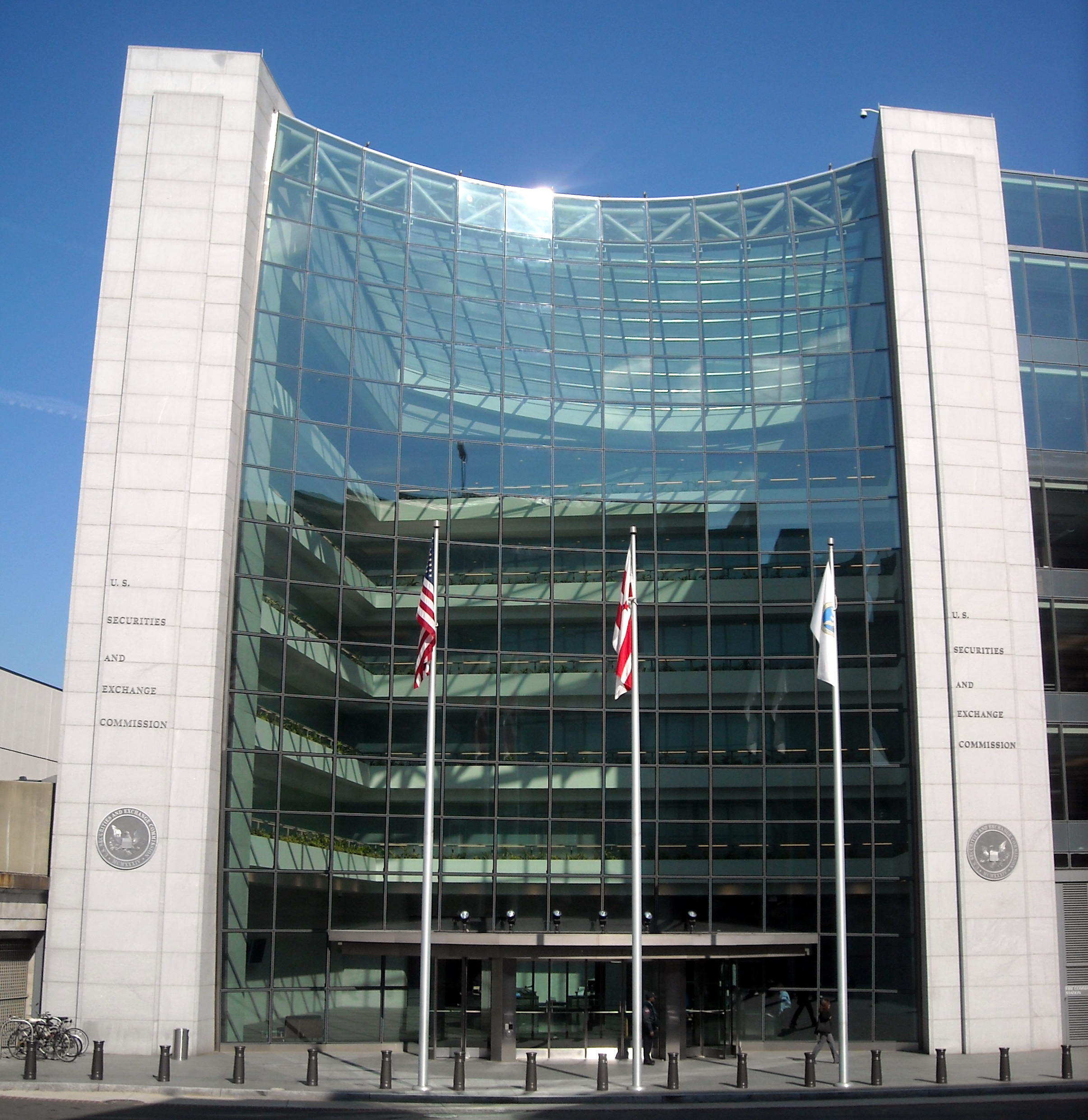

The U.S. Securities and Exchange Commission proposed a dedicated crypto-custody framework on 1 October 2026 that would give registered investment advisers and regulated funds a clearer route to hold client crypto assets. The proposal would permit state-chartered trust companies as custodians under specified conditions and allow limited self-custody when no qualified custodian is available. It is a proposal, not a final rule, and remains subject to public comment.
What the SEC proposed
The Commission’s release covers registered investment advisers, registered investment companies and business development companies. Its central aim is to adapt custody safeguards—asset segregation, control, recordkeeping and independent oversight—to assets recorded on distributed ledgers rather than force every crypto holding into procedures designed for traditional securities.
- A tailored custody framework for crypto funds and crypto securities held by advisers and regulated funds.
- Conditional use of state-chartered trust companies as permitted custodians for client and fund crypto assets.
- Self-custody in limited circumstances when an adviser or fund determines that no qualified custodian is willing or able to hold the asset, subject to safeguards.
- Modernised requirements involving adviser audits, recordkeeping and broker-dealer custodial services for regulated funds.
- A comment period lasting 60 days after publication of the proposing release in the Federal Register.
Commissioner Mark Uyeda’s statement adds important operational detail. Where self-custody is used, the proposal contemplates cybersecurity protections, safeguarding expertise, annual reviews, internal reporting, account statements and client disclosures. That makes the option a constrained exception rather than permission for advisers to move assets into informal wallets without institutional controls.
Why this is different from the September FAQ
The SEC’s 25 September crypto FAQ addressed staff views on matters such as staking receipts, functional networks and token buybacks. This new action is formal Commission rulemaking focused on how regulated intermediaries hold assets. The subjects overlap only at the edge: one concerns classification and promotional facts, while the other concerns safekeeping, custody conflicts and supervised access.
The distinction matters for investors. A custody pathway does not classify a token as a security or commodity, approve a particular asset, guarantee recoverability or validate an adviser’s investment thesis. It answers a narrower but commercially important question: what controls could allow regulated firms to hold crypto for clients without stepping outside federal custody rules.
Institutional and market implications
If adopted substantially as proposed, the framework could widen the range of crypto strategies available through registered advisers and funds. Assets that lack support from large bank or broker-dealer custodians may become accessible when a compliant state trust company can provide custody, or in exceptional cases when a supervised self-custody arrangement satisfies the rule’s conditions.
That is directionally constructive for specialist custodians, trust companies, wallet-security providers and audit firms. It could also reduce a bottleneck between product approval and operational launch. Yet the proposal does not itself create demand. Adviser suitability processes, liquidity, valuation, insurance, cybersecurity and the legal status of each asset remain separate gates.
For traders, the most credible signal would be a sequence of observable implementation steps: a final rule, named custodians expanding supported assets, fund registration changes and actual allocations. Headlines alone are weaker evidence. The SEC has opened a path for comment, not switched on immediate institutional buying.
Bull, bear and base cases
Bull case
A workable final rule reduces custody uncertainty, state trust companies compete on controls, and advisers broaden access to well-supported assets. Institutional product development accelerates without weakening segregation and audit standards.
Bear case
Compliance costs, liability and cybersecurity conditions prove too burdensome for smaller providers. Self-custody failures or litigation lead the final rule to narrow, leaving the market concentrated among a few large custodians.
Base case
The proposal improves legal planning but produces gradual rather than immediate change. Bitcoin and ether benefit first because their liquidity and custody infrastructure are deepest; long-tail assets still face separate eligibility and risk hurdles.
NetNapz assessment
Assessment: materially constructive for regulated crypto infrastructure, but not an instant market-access event. The proposal addresses a real operational gap by recognising both state trust companies and the possibility that a novel asset has no available qualified custodian. Its value lies in replacing ambiguity with conditions that institutions can evaluate.
Confirmation: a final rule retaining a practical trust-company pathway, clear supervisory standards, additional custodians announcing supported assets, and regulated funds filing or launching strategies that rely on the framework. Invalidation: material narrowing before adoption, successful legal challenges, or control requirements that make the route commercially unusable. The relevant horizon is months rather than days because the proposal must pass through comment and final-rule processes.
What to watch next
- Publication in the Federal Register and the exact comment deadline.
- Responses from registered advisers, fund groups, state trust companies, banks and investor-protection advocates.
- Whether the final rule preserves self-custody and how “no qualified custodian available” must be documented.
- Standards for private-key controls, segregation, insurance, incident reporting and independent verification.
- Fund filings or custody announcements that convert regulatory permission into actual product access.
Sources
Published 2 October 2026. Confirmed facts are drawn from the dated primary and corroborating sources above. Market scenarios and the NetNapz assessment are analysis, not legal or investment advice.