
BTCLiveETHLiveSOLLiveXRPLiveBNBLiveDOGELiveADALiveAVAXLive
 SPONSORED PARTNERMEXCExplore global spot and futures marketsEXPLORE MEXC →
 CHARTING PARTNERTradingViewAdvanced charts, indicators and market analysisOPEN CHARTS →
 TRADING PARTNERGMX via NetNapz TradeTrade decentralised perpetual marketsSTART TRADING →
DeFi News
Broader DeFi coverage across lending, DEXs, stablecoins, tokenized assets, Layer 2 economics and protocol revenue. The desk now follows both protocol fundamentals and whether that value actually reaches token holders.
LATEST DEFI & STABLECOIN COVERAGE
- Aptos Activates Opt-In Encrypted Mempool; Payload Privacy Is Not Anonymity
 Aptos has activated an opt-in encrypted mempool that hides pending transaction payloads before ordering, while sender addresses, fees and completed transactions remain public.
 - Lido Lend Targets a Q4 Launch, but Governance, Audits and Exit Design Remain Pending
 Lido contributors propose a modified Morpho Blue lending market for stETH and ETH, but governance approval, audits, parameters and exit mechanics remain pending.
 - Ledger Wallet Adds Morpho Crypto Loans; Self-Custody Does Not Remove Liquidation Risk
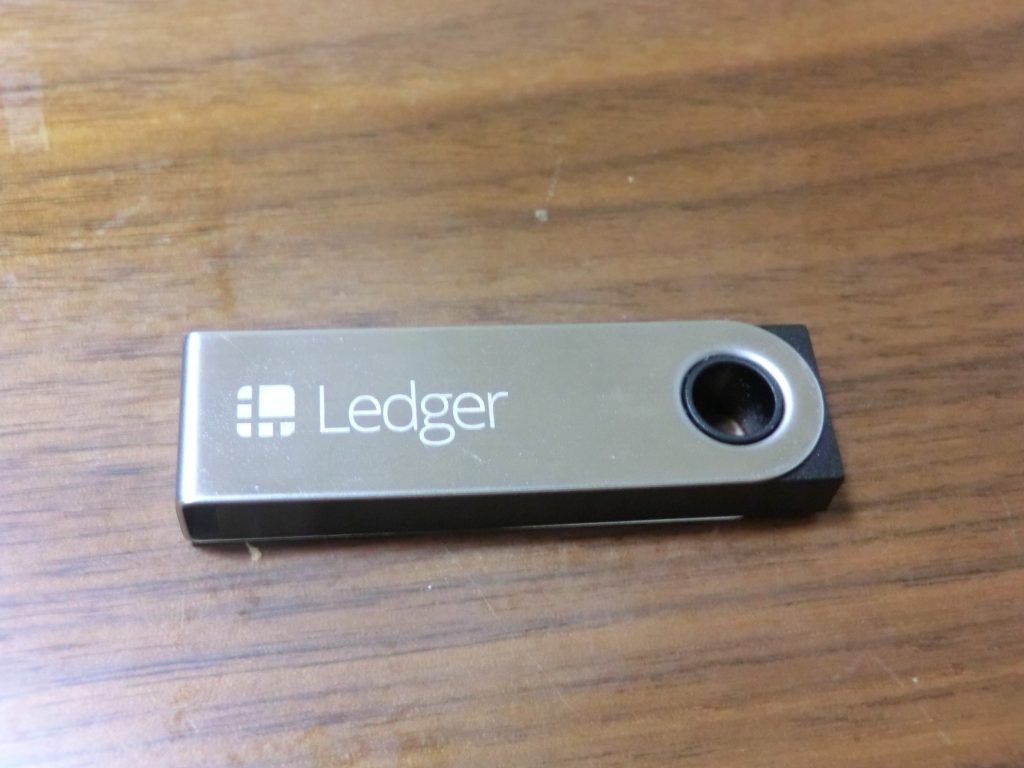 Morpho says Ledger Wallet users can borrow stablecoins against wrapped bitcoin. The wallet-native route reduces friction but adds liquidation, wrapper, oracle and smart-contract risks.
 - Circle Stops New Noble USDC Minting on 13 October as Injective Migration Advances
 Circle will stop new USDC minting to Noble on 13 October while redemptions continue. The staged Cosmos migration toward Injective-issued USDC runs through January 2027.
 - Polkadot Governance Approves dotUSD Plan; Phase One Is USDT-Backed
 Polkadot referendum 1944 authorizes dotUSD and a $5 million treasury-seeded pool, but phase one remains USDT-backed and DOT vaults come later.
 - Ondo Opens OpenAI-Linked Private-Market Trading, but OPAIPon Is Unsecured Debt—not Shares
 Ondo’s OPAIPon offers eligible non-US investors tokenized economic exposure to OpenAI, but it is unsecured issuer debt—not shares—and secondary liquidity is not guaranteed.
 - GalaSwap V2 Goes Live as Gala Prepares Wallet-Only Account Access
 GalaSwap V2 is live, while Gala is separately preparing to retire email login. Swap users need no migration, but V1 liquidity providers must recreate positions and email-login users face a later wallet transition.
 - Arbitrum Launches Native USDG; 100 Million ARB Incentive Request Remains a Proposal
 Arbitrum’s October 6 announcement separates native USDG and initial integrations from a new DAO request for 100 million ARB. Adoption and funding execution remain the next tests.
 - PancakeSwap Reports 2.31 Million Net CAKE Burn for September
 PancakeSwap’s October 7 report records a September net reduction of 2,311,003 CAKE. Gross burns, new minting and pool-fee distribution need separate assessment.
 - The Graph’s October 8 Query-Migration Deadline Puts Application Continuity in Focus
 The Foundation set October 8 as the staging-query migration deadline for BNB Smart Chain and Polygon. What affected applications need to check, and why migration is different from new demand.
 - Sky Protocol Receives Moody’s B3 Rating; Reserve Strength Remains the Test
 Moody’s assigned Sky Protocol a B3 issuer rating with a stable outlook on 7 October. The speculative-grade assessment puts reserve resilience and future reporting in focus.
 - Pyth DAO Commits All Eligible Product Receipts to PYTH Reserve Purchases
 Pyth’s 8 October announcement replaces monthly transfer votes with a standing reserve-purchase authorization. The policy covers DAO receipts, rather than all gross business revenue.
 - Unichain Plans October OP Enterprise Migration; Native Interoperability Still Ahead
 Uniswap Labs schedules Unichain’s OP Enterprise transition for testnet on 13 October and mainnet on 29 October. Native ETH interoperability remains a future capability, while balances, contracts and existing deployments are intended to continue.
 - THORChain Reports USDT Vaults Unfrozen After Temporary TRON Disruption
 Multiple publications report that THORChain’s TRON USDT vaults were temporarily restricted and later released on 9 October. What is confirmed by reporting, what remains unexplained, and what operational recovery must demonstrate.
 - Sui Plans Hashi’s October Rollout With $500 Million in Commitments and Anchorage Access
 Sui plans a phased October Hashi rollout with more than $500 million in capital commitments and Anchorage access. Commitments do not establish live deposited liquidity.
 - Cosmos Hub Weighs Return of 1.23M Recovered ATOM After Neutron Governance Attack
 Cosmos Hub governance is considering a two-stage plan to return 1,227,121 recovered ATOM after the Neutron attack. The funds remain in multisig custody pending votes and verifiable transfers.
 - Chainlink CCIP 2.0 Adds Custom Verification—But Extra Security Still Requires Configuration
 Chainlink’s 28 September CCIP 2.0 launch adds custom verifiers, compliance controls and confirmation settings. Independent reporting shows why enabled configuration—not the upgrade name—determines the additional safeguards.
 - Arbitrum Pauses New Stylus Activations as Emergency Upgrade Adds BoLD Proof Guard
 Arbitrum’s Security Council paused new Stylus activations on One and Nova and added a BoLD proof guard. Existing contracts and normal EVM deployment continue, with no disclosed loss of user funds.
 - Aave V4 Opens USDC Loans Against Coinbase Tokenized Stocks on BaseAave V4 now accepts seven Coinbase tokenized U.S. technology stocks as collateral for USDC loans on Base, creating a new bridge between regulated equities and DeFi credit—with 24/5 oracle, liquidity and liquidation risks.
- Analyst Note: Stablecoin Growth Needs a Better Denominator
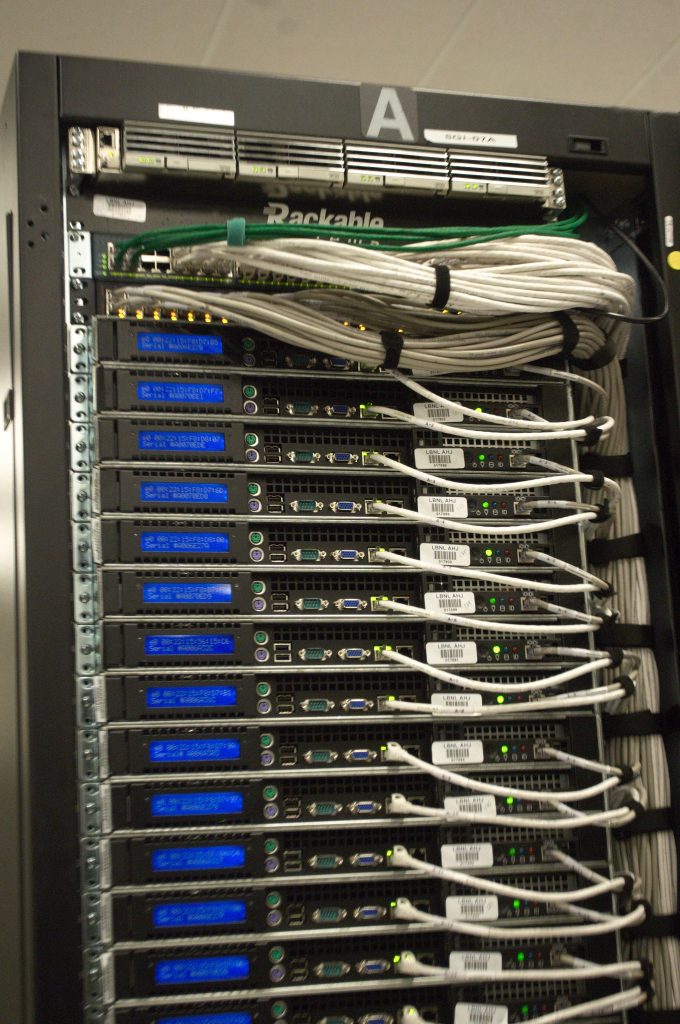 The BIS September study finds that measures of stablecoin, crypto and DeFi activity can differ substantially depending on how on-chain data are handled. An increase in token transfers could reflect payments, exchange operations, bridge movements or repeated activity by the same participants.
 - DeFi Activity Data Can Mislead: What the BIS Study Means for Users
 A September 15 BIS working paper finds that measures of stablecoin, crypto and DeFi activity can vary substantially with data treatment. A headline number for transactions or total value locked therefore needs a definition and a reproducible source.
 - Bitget Raises Security-Incident Estimate to $387.5M and Sets Phased Withdrawals
 Bitget raised its confirmed affected-assets estimate to $387.5 million and scheduled phased withdrawals from September 28, adding concrete operational tests after the exchange security incident.
 - UK Banks Complete Live Tokenised Sterling Transactions on Quant-Built Infrastructure
 UK Finance confirms Barclays, HSBC UK, Lloyds, Monzo, Nationwide, NatWest and Santander completed live tokenised sterling transactions on shared infrastructure developed by Quant.
 - Fed Opens Stablecoin Rulebook Under GENIUS Act
 The Federal Reserve proposed reserve, capital, custody, risk-management and bank-application rules for payment stablecoin issuers under the GENIUS Act.
 - Aptos Activates Confidential APT on Mainnet — Privacy Upgrade Brings Encrypted Balances to APT
 Aptos has activated Confidential APT on mainnet, letting users opt in to encrypted APT balances and transfer amounts while wallet addresses remain visible and transactions remain verifiable with zero-knowledge proofs.
 - Layer-2 and DeFi Tokens Lead Broad Crypto Rally as Post-Fed Nerves Ease
 Layer-2 and DeFi tokens led a broad advance as crypto markets absorbed the Fed hike, with Arbitrum among the strongest movers.
 - SEC Opens Five-Year Path for Tokenized U.S. Stocks — What Changes for Crypto Markets
 A new SEC exemption creates a five-year framework for blockchain-based shares with traditional shareholder rights, while excluding synthetic stock tokens.
 - Stablecoins Move Deeper Into Finance as Regulation Tests Yield and Distribution
 STABLECOINS · DeFi — Updated 14 September 2026 Stablecoins are becoming a bridge between public blockchains and regulated financial infrastructure. The U.S. framework created by the 2025 GENIUS Act, followed by 2026 clarification, improved the legal position of qualifying payment stablecoins while leaving other structures subject to different tests.
 - Uniswap Launches StablePair Hook to Keep More Stablecoin Arbitrage Value With LPs
 Uniswap Labs launched its StablePair Hook on Ethereum for USDC/USDT and USDC/USDG, using dynamic fees designed to give liquidity providers a larger share of stable-pair arbitrage value.
 - Aave vs Uniswap: Lending, Trading and the DeFi Value-Accrual Test
 Compare Aave and Uniswap across lending demand, trading volume, liquidity quality, protocol revenue, token economics and risk.
 - Analyst Note: ARB After the Surge — Does Robinhood Chain Revenue Justify the Repricing?
 ARB’s rerating now has a sharper economic test after a September 6 debate between Offchain Labs and Solana founders over Robinhood Chain’s fee model. NetNapz remains bullish on the structural revenue thesis but neutral on chasing the move.
 - Arbitrum Surges on Robinhood Chain Revenue: What Traders Need to Know
 ARB is surging as traders reprice Robinhood Chain’s economic contribution to Arbitrum, with fresh attention on revenue sharing, enterprise adoption and the durability of the new growth thesis.
 - Wyoming Adds Chainlink Proof of Reserve to FRNT Stablecoin
 Wyoming is expanding FRNT’s onchain transparency with Chainlink Proof of Reserve, adding a state-issued stablecoin test case for reserve verification and cross-chain infrastructure.
 - Crypto Token Buybacks Hit Record $640M as HYPE and Pump.fun Rewrite the Value-Capture Trade
 Crypto protocols have spent a record roughly $640 million on token buybacks in 2026, creating a new relative-value framework around protocol revenue, emissions and real tokenholder value capture.
 - MoonPay Brings AI Agents Into Solana Lending: Automation Meets DeFi
 MoonPay's Solana lending integration for AI agents highlights a new intersection between autonomous software, wallets and DeFi credit markets.
 - CLARITY Act Fails Senate Vote as Bitcoin Tests $75K: Liquidity Sweep or Deeper Risk-Off Move?
 The Senate failed to advance the CLARITY Act in a 49–50 procedural vote as Bitcoin tested the $75,000 area. NetNapz separates the confirmed regulatory setback from the liquidity-sweep thesis traders are now debating.