
 SPONSORED PARTNERMEXCExplore global spot and futures marketsEXPLORE MEXC →
 CHARTING PARTNERTradingViewAdvanced charts, indicators and market analysisOPEN CHARTS →
 TRADING PARTNERGMX via NetNapz TradeTrade decentralised perpetual marketsSTART TRADING →
DeFi · Wallets · 7 October 2026
Ledger Wallet Adds Morpho Crypto Loans; Self-Custody Does Not Remove Liquidation Risk
Morpho says eligible Ledger Wallet users can now borrow stablecoins against wrapped bitcoin without handing control of their wallet keys to a centralized lender. The design brings credit closer to the wallet interface, but it also layers smart-contract, wrapper, oracle and liquidation risks onto the collateral.
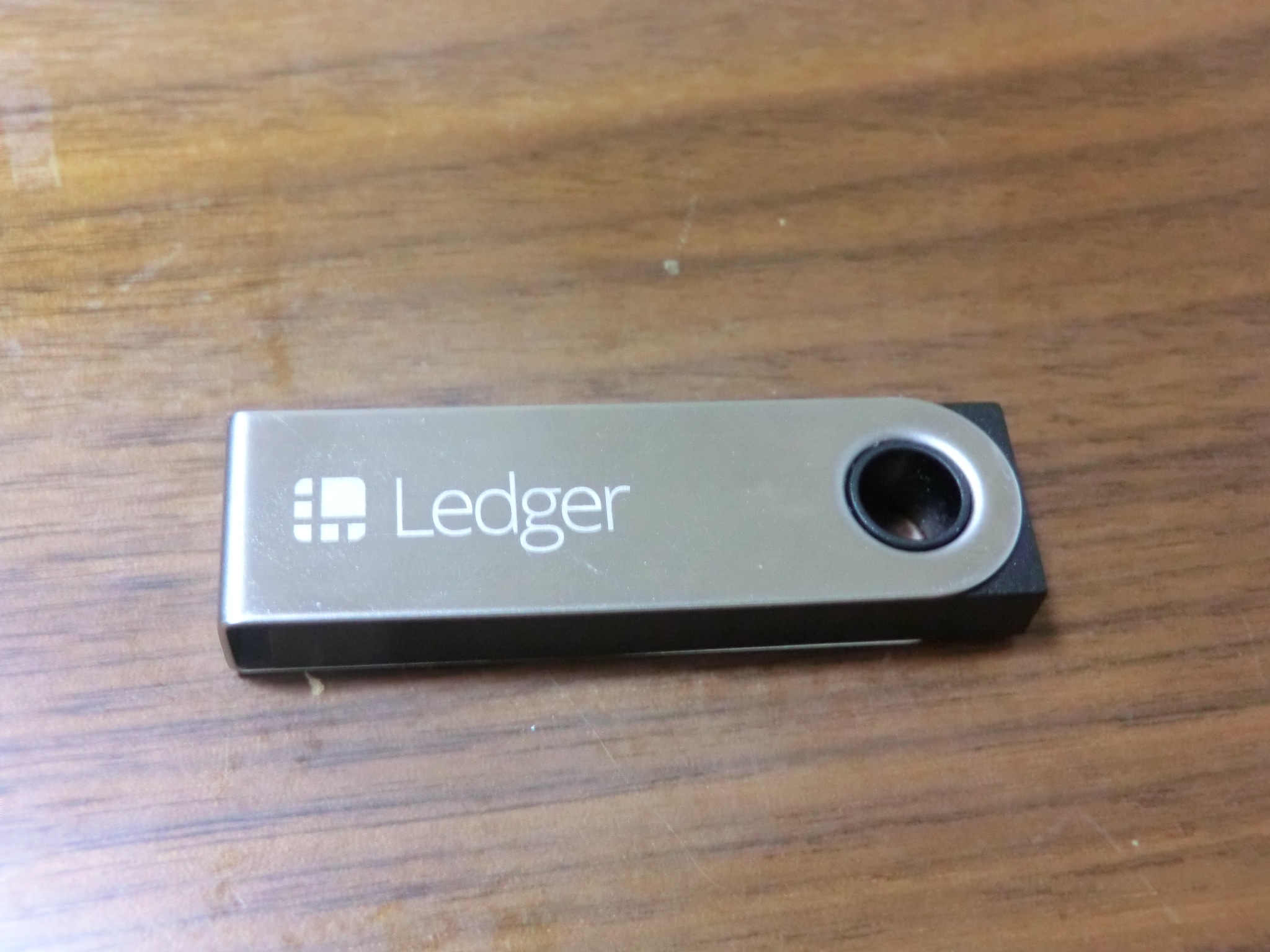

Morpho announced on 7 October 2026 that a Crypto Loan feature is rolling out inside Ledger Wallet. According to the protocol’s product announcement, eligible users can pledge wrapped bitcoin—initially WBTC or Coinbase Wrapped BTC (cbBTC)—in Morpho’s isolated lending markets and borrow stablecoins through an integration built by Yield.xyz.
The development is significant because it places an onchain credit workflow next to a widely used self-custody wallet rather than requiring users to discover a lending application separately. It is also the second Morpho-powered product described for Ledger Wallet after Stablecoin Earn. However, the announcement came from Morpho; NetNapz did not locate a separate Ledger product release for this specific rollout during this review, so availability, eligibility and interface details should be checked in the user’s own Ledger Wallet installation.
What the product changes
The core transaction is familiar to decentralized lending users. A borrower deposits eligible collateral into a smart contract, draws a stablecoin loan, pays a variable borrowing rate and must keep the position above its liquidation threshold. Morpho’s isolated-market architecture separates collateral and loan-asset combinations, rather than pooling every asset into one balance sheet.
Embedding that process in Ledger Wallet can reduce navigation friction and the chance of landing on a spoofed lending front end. The user still signs transactions with the wallet and retains control of the private keys used to authorize them. That is a meaningful distinction from transferring bitcoin to a centralized lender that takes custody and manages assets offchain.
But “self-custody” should not be read as “the bitcoin remains untouched in cold storage.” The collateral is a wrapped representation of bitcoin and, once supplied, is held by the relevant Morpho market’s smart contracts. The borrower controls the position through wallet signatures, while the collateral becomes subject to the rules and dependencies of the onchain loan.
The risk stack is broader than a hardware wallet
The first risk is liquidation. If the collateral value falls far enough relative to the debt—or interest accrues faster than the user expects—the market can sell collateral according to its liquidation mechanism. Hardware-wallet security cannot prevent a valid liquidation triggered by the protocol’s rules.
The second layer comes from wrapped assets. WBTC and cbBTC are tokenized claims designed to track bitcoin, but each relies on an issuer, custody arrangements and redemption infrastructure. A wrapper-specific disruption or loss of confidence could affect pricing and liquidation even if the Bitcoin network itself continues operating normally.
Third, the loan depends on smart contracts, price oracles, market liquidity and the integration path between Ledger Wallet, Yield.xyz and Morpho. A weakness or operational failure anywhere in that chain may create a different outcome from simply holding native BTC. Borrowing costs can also change with utilization, so the rate displayed when a position is opened is not necessarily its lifetime cost.
NetNapz assessment
Base case: the rollout is primarily a distribution event for onchain credit. It makes Morpho markets easier to reach for Ledger users and may broaden borrowing activity, but it does not by itself establish new demand for the MORPHO token, durable fee growth or a material change in protocol economics.
Bull case: wallet-native lending becomes a repeatable channel, users move meaningful collateral into well-governed markets, integrations expand beyond the initial assets, and public data show healthy loan growth without deterioration in liquidations or bad debt. That would strengthen the argument that lending protocols can become infrastructure beneath mainstream wallet interfaces.
Bear case: adoption remains limited by regional eligibility, wrapper preferences or user aversion to liquidation risk. A sharp BTC decline, oracle problem, liquidity shortfall, wrapper impairment or integration incident could also expose how different an onchain loan is from passively holding bitcoin.
Confirmation and invalidation: confirmation would require observable growth in the named Morpho markets, clear disclosures on rates and risk parameters, and sustained operation through volatile conditions. The thesis would weaken if the feature sees little use, is withdrawn, or produces losses that users reasonably did not expect from the wallet presentation.
What to watch next
- Which jurisdictions and Ledger Wallet versions receive the feature, and whether eligibility expands.
- The precise Morpho markets, loan-to-value and liquidation parameters available in the interface.
- Borrow rates, liquidity and collateral balances rather than headline wallet reach alone.
- Any independent Ledger disclosure describing the integration, security review and support responsibilities.
- Whether additional native or wrapped collateral is introduced without weakening risk controls.
For borrowers, the practical question is not merely whether keys remain under their control. It is whether they understand every contract, wrapper and liquidation condition their signature activates. The integration may make borrowing simpler to start; it does not make the resulting leverage simple or risk-free.