Ethereum Glamsterdam Upgrade: Compatibility Risk in Focus
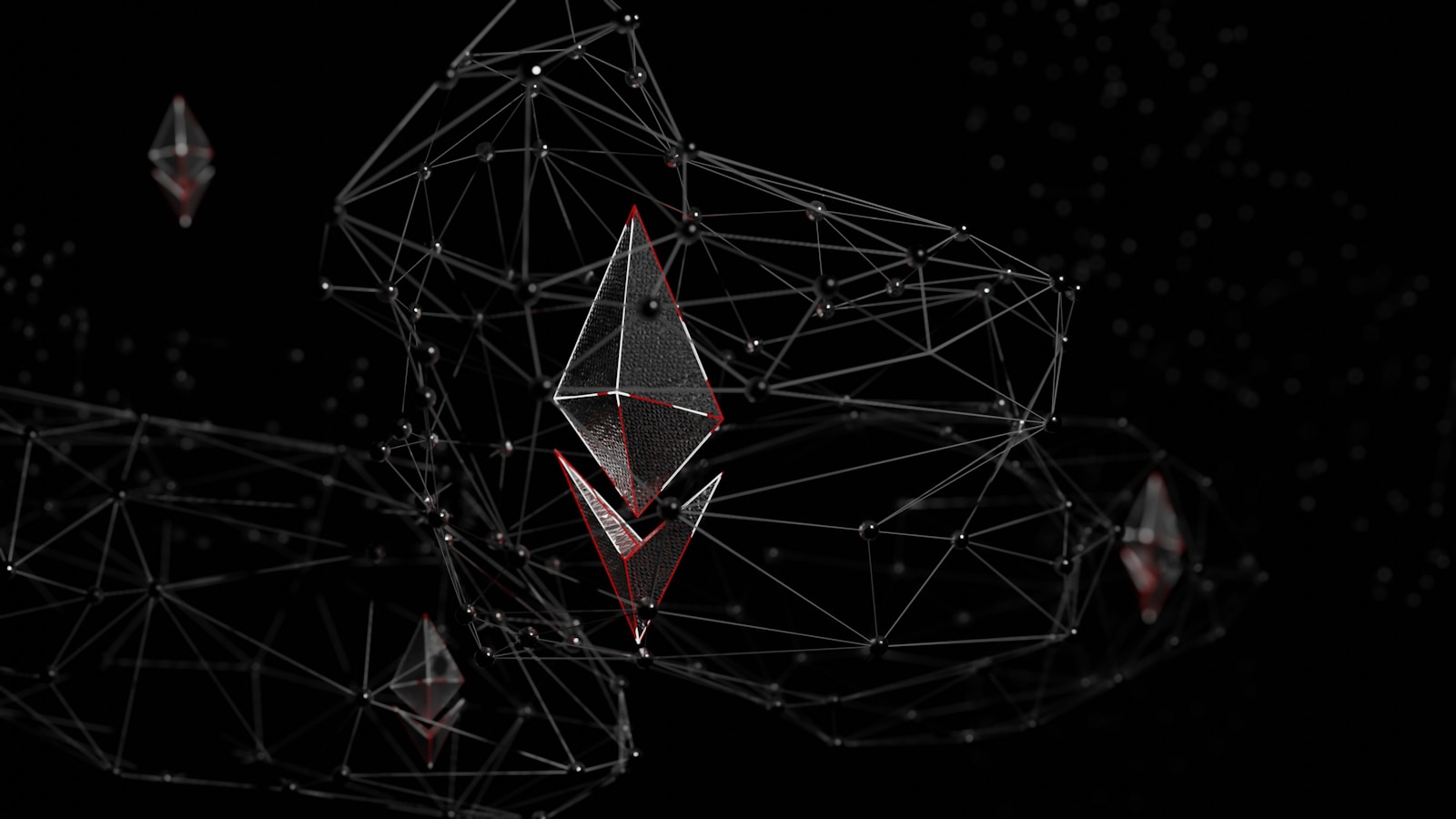
Ethereum developers continue preparing the Glamsterdam upgrade, with the Ethereum ecosystem warning that some existing tools may need changes as protocol behaviour evolves.
Major upgrades are not just headline events. Exchanges, wallets, node operators, infrastructure providers and smart-contract developers all need time to test software and handle edge cases.
What traders should watch
Upgrade progress can influence ETH sentiment, but execution quality matters more than hype. Watch testnet milestones, client readiness, developer communication and whether applications report compatibility issues.
Informational technology coverage only.
NetNapz assessment
Ethereum upgrades matter to traders when they change network capacity, costs, validator economics or application compatibility. The market can overreact to upgrade names while underweighting the practical implementation risk. The more useful question is whether exchanges, wallets, Layer 2 networks and node operators are prepared before activation.
What to watch next
Follow client releases, testnet results, developer calls and any warnings from major infrastructure providers. A smooth rollout reduces operational risk; repeated compatibility issues would matter more for users than the upgrade branding itself.
Why upgrade compatibility matters
Ethereum upgrades are not just events for core developers. Every major change can affect node software, wallets, infrastructure providers, explorers, validators and applications that depend on assumptions about how the network behaves. Compatibility risk appears when one part of that stack is not ready for the new rules.
The most common problems are rarely dramatic protocol failures. More often they involve outdated clients, tooling that misreads a changed field, test environments that do not perfectly match production or applications that rely on behavior developers assumed would remain unchanged.
What a careful rollout looks like
Healthy upgrade preparation normally includes multiple client implementations, testnets, public specifications, application testing and clear activation milestones. Diversity matters because Ethereum does not want one software implementation to become a single point of failure. Bugs discovered before activation are inconvenient; bugs discovered after activation can become market-moving operational issues.
Why traders should care
Protocol upgrades can influence sentiment because they shape Ethereum’s scalability, security and long-term competitiveness. But traders should separate the roadmap from execution. A promising feature is not valuable until it is implemented safely and users or developers actually benefit from it.
Short-term price reactions can also be misleading. Markets often trade upgrade narratives well before activation, then refocus on broader liquidity and demand once the event passes.
What to watch next
Follow client readiness, testnet results, developer call decisions and any warnings from major infrastructure providers. A smooth progression with broad client support would reduce operational risk. Delays or repeated compatibility issues would not necessarily damage Ethereum’s long-term thesis, but they could push expected benefits further out.
Bottom line
Glamsterdam is best viewed as part of Ethereum’s continuing engineering process rather than a one-day catalyst. The relevant question is whether the network can ship meaningful improvements without creating avoidable disruption. For investors, dependable execution is more important than the excitement surrounding an upgrade name.