

AI Photonics Demand Tightens as Soitec Locks Customers Into Multi-Year Supply Deals
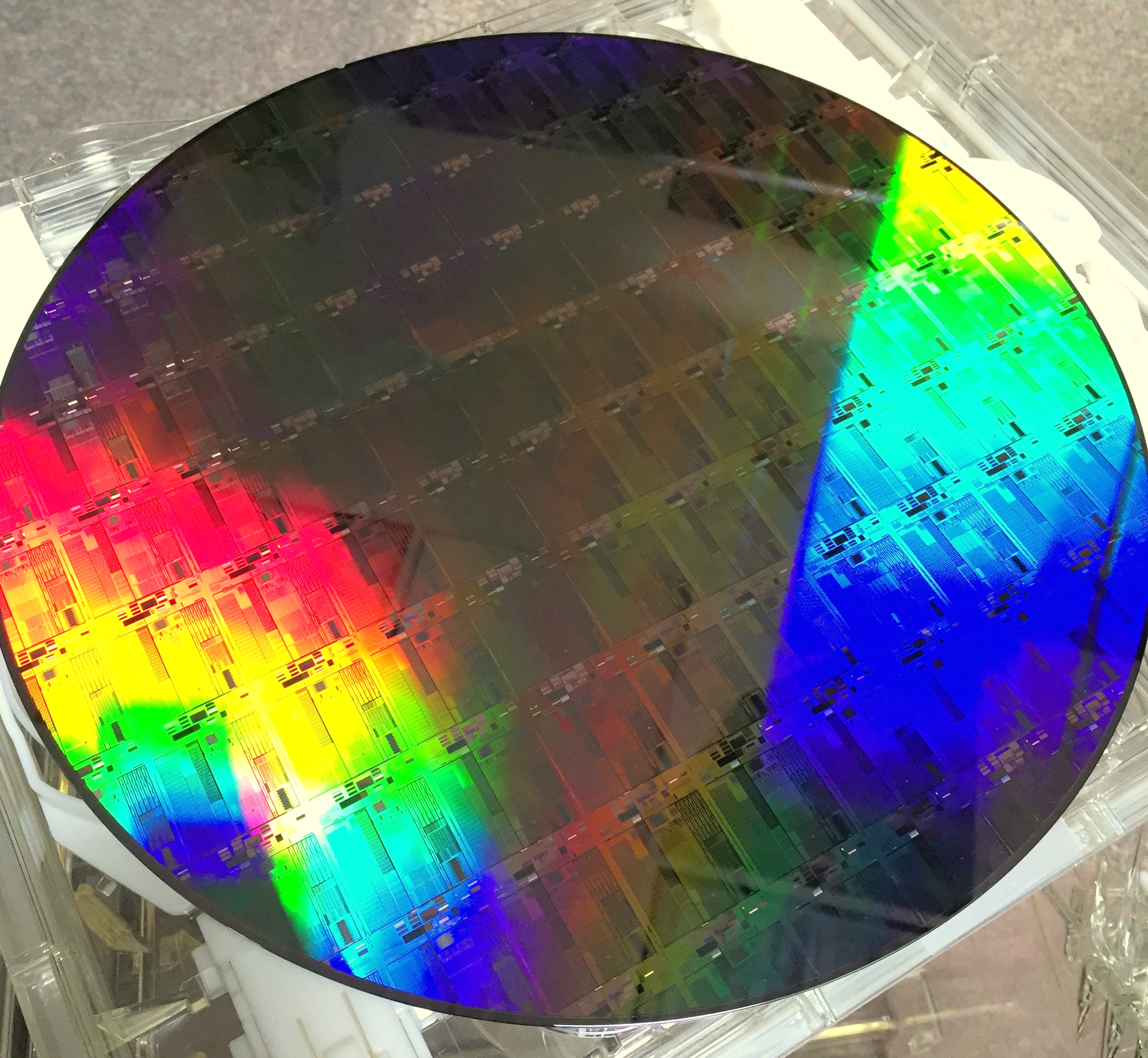
AI infrastructure demand is moving deeper into the semiconductor supply chain. Reuters reported on Monday that French semiconductor-materials group Soitec is locking more than ten silicon-photonics customers into multi-year supply agreements as hyperscalers shift toward optical interconnects for faster and more power-efficient data-centre networking.
The agreements are notable because they require volume commitments, deposits and fixed pricing, with penalties for customers that under-order. That is a stronger signal than ordinary order-book commentary: it suggests buyers are trying to secure scarce capacity well ahead of demand.
Why this matters for the AI trade
The AI equity story has been dominated by GPUs and accelerators, but the physical bottleneck increasingly extends to networking, memory, power and photonics. As clusters become larger, moving data efficiently between chips and racks becomes a critical constraint. Optical interconnects are one of the technologies designed to reduce the bandwidth and energy limits of copper.
Reuters reported that Soitec estimates it holds roughly 95% of the silicon-photonics substrate market. The company expects photonics-SOI revenue to exceed $200 million this financial year and is expanding capacity through existing sites in France and Singapore rather than committing immediately to a new fab.
Market signal: capacity discipline, not just demand hype
The more important signal for investors is the contract structure. Multi-year fixed-price commitments and deposits can improve visibility for suppliers while transferring some inventory and demand risk back toward customers. If similar agreements spread through the optical-networking chain, it would reinforce the idea that AI infrastructure spending is broadening from headline chipmakers into enabling components.
Soitec shares have already risen sharply this year, so the market risk is that strong demand expectations are increasingly reflected in valuation. The bullish case depends on sustained hyperscaler capex and real deployment of optical networking; the bearish case is that customers over-book capacity or AI spending normalises before contracted volumes are absorbed.
NetNapz analyst view
This is a useful second-order AI market signal rather than a reason to chase every semiconductor stock. The key takeaway is that AI infrastructure constraints are broadening. Traders should watch whether optical-networking suppliers, photonics names and data-centre component makers begin to show the same combination of long-term contracts, prepayments and capacity expansion that defined earlier phases of the GPU cycle.
Source reviewed: Reuters, August 31, 2026. NetNapz analysis is independent market commentary and not financial advice.