
 SPONSORED PARTNERMEXCExplore global spot and futures marketsEXPLORE MEXC →
 CHARTING PARTNERTradingViewAdvanced charts, indicators and market analysisOPEN CHARTS →
 TRADING PARTNERGMX via NetNapz TradeTrade decentralised perpetual marketsSTART TRADING →
OIL · BRENT · SHIPPING · GLOBAL MARKETS
Oil Ends Volatile Week Near $98 Brent as Iran Supply Risk Meets Glut Fears
NetNapz Global Markets Desk | 7 November 2026. Oil ended Friday, 6 November, in a volatile balance between fears of further disruption to Middle East shipping and expectations that diplomatic pressure could reduce the conflict-related risk premium. Brent crude settled at $98.32 a barrel and US West Texas Intermediate at $90.83, according to a dated Friday closing-market account in The Wall Street Journal. Those are Friday settlements, not live weekend prices.
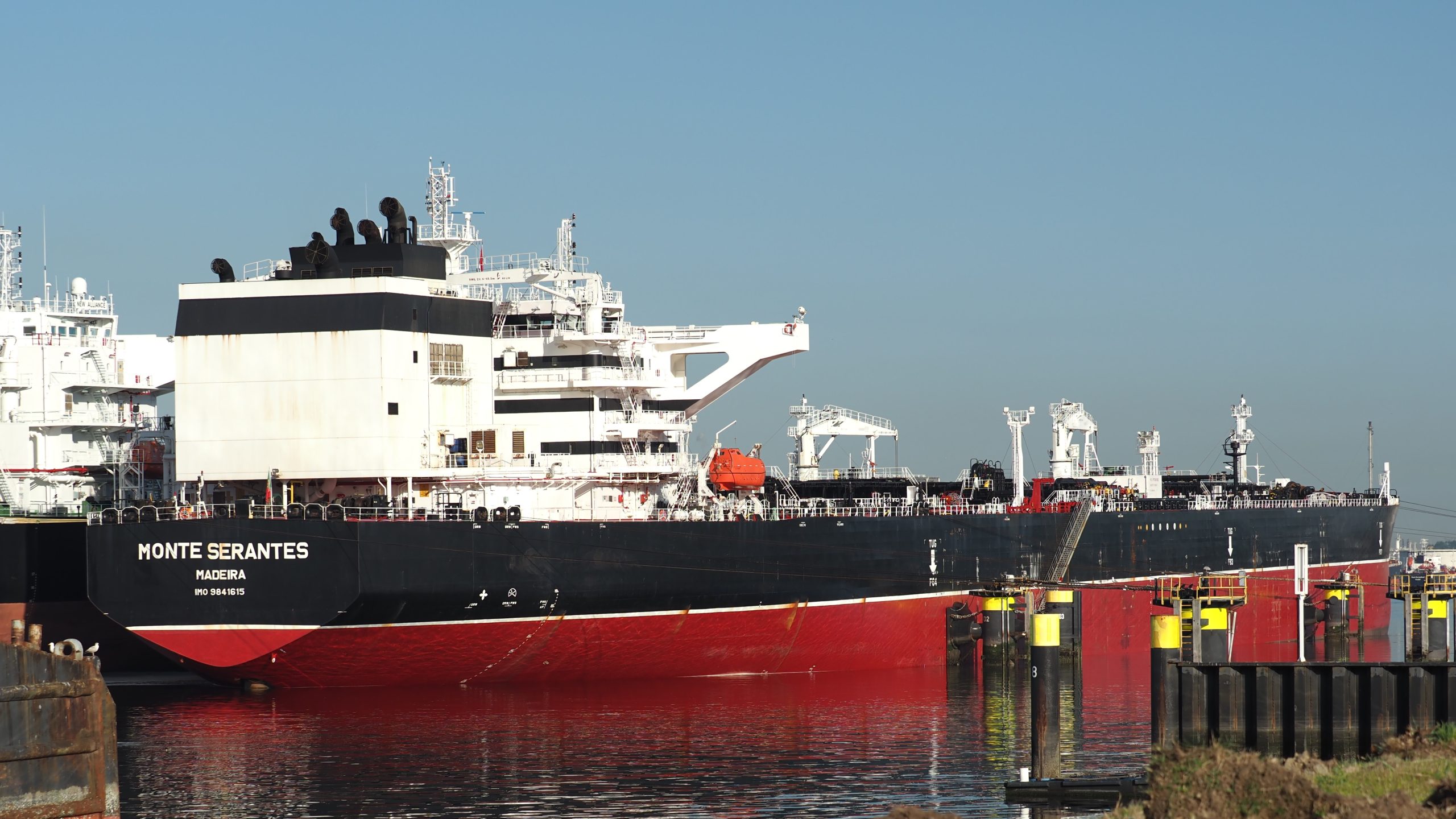

Two forces pulling in opposite directions
Reuters reported on 6 November that crude had been on course for a sharp weekly decline as markets assessed the possibility of less confrontation between Washington and Tehran after US midterm elections. That is an expectation reflected in prices, not confirmation of a diplomatic agreement. At the same time, the UK maritime security agency's reporting on recent vessel incidents pointed to continued physical risks around the Gulf and Strait of Hormuz. Earlier in the week, Brent had settled at $98.29 on Thursday after rising $3.67 amid renewed tanker-security concerns.
Friday's settlement near Thursday's level illustrates how rapidly the market can change its weighting of risk. A decline in geopolitical premium is possible even when attacks have not stopped; equally, a fresh disruption to an important shipping route could reverse a fall in futures prices. Neither outcome is certain.
Supply, demand and the physical market
Reuters also reported signs that expensive crude was curbing consumption and that the balance between supply and demand was softening. A Wall Street Journal account described crude's weekly fall as roughly 13% and noted estimates that global supply exceeded demand in September and October. Such estimates are forecasts or analyst calculations rather than directly observed global inventories. Physical exports, freight rates, refining margins and stock changes will determine whether the apparent surplus persists.
For inflation, oil's direction matters beyond the energy sector. Sustained crude declines can eventually ease transport and manufacturing costs, while sudden shipping disruptions can raise fuel, insurance and freight costs. The pass-through to consumer prices varies by country, taxes, currency movements and refinery conditions.
Weekend risk and the next session
Oil futures are not continuously priced through the weekend. Any further reports of shipping incidents or diplomatic progress should be checked against authoritative maritime advisories and official statements before being treated as confirmed developments. Friday's settlements are the relevant benchmark here, not speculative Saturday prices.
Sources and methodology
Friday closing settlement and weekly context: The Wall Street Journal, 6 November oil-market account. Dated market and shipping context: Reuters, 6 November oil report; Reuters, physical oil supply-and-demand analysis, 6 November; Reuters, 5 November tanker and oil settlement report. This article separates confirmed market prices from forecasts and possible diplomatic outcomes. Not investment advice.