
 SPONSORED PARTNERMEXCExplore global spot and futures marketsEXPLORE MEXC →
 CHARTING PARTNERTradingViewAdvanced charts, indicators and market analysisOPEN CHARTS →
 TRADING PARTNERGMX via NetNapz TradeTrade decentralised perpetual marketsSTART TRADING →
Samsung Wallet Plans USDC Transfers on Solana and Sui; 82 Million Devices Are Reach, Not Adoption
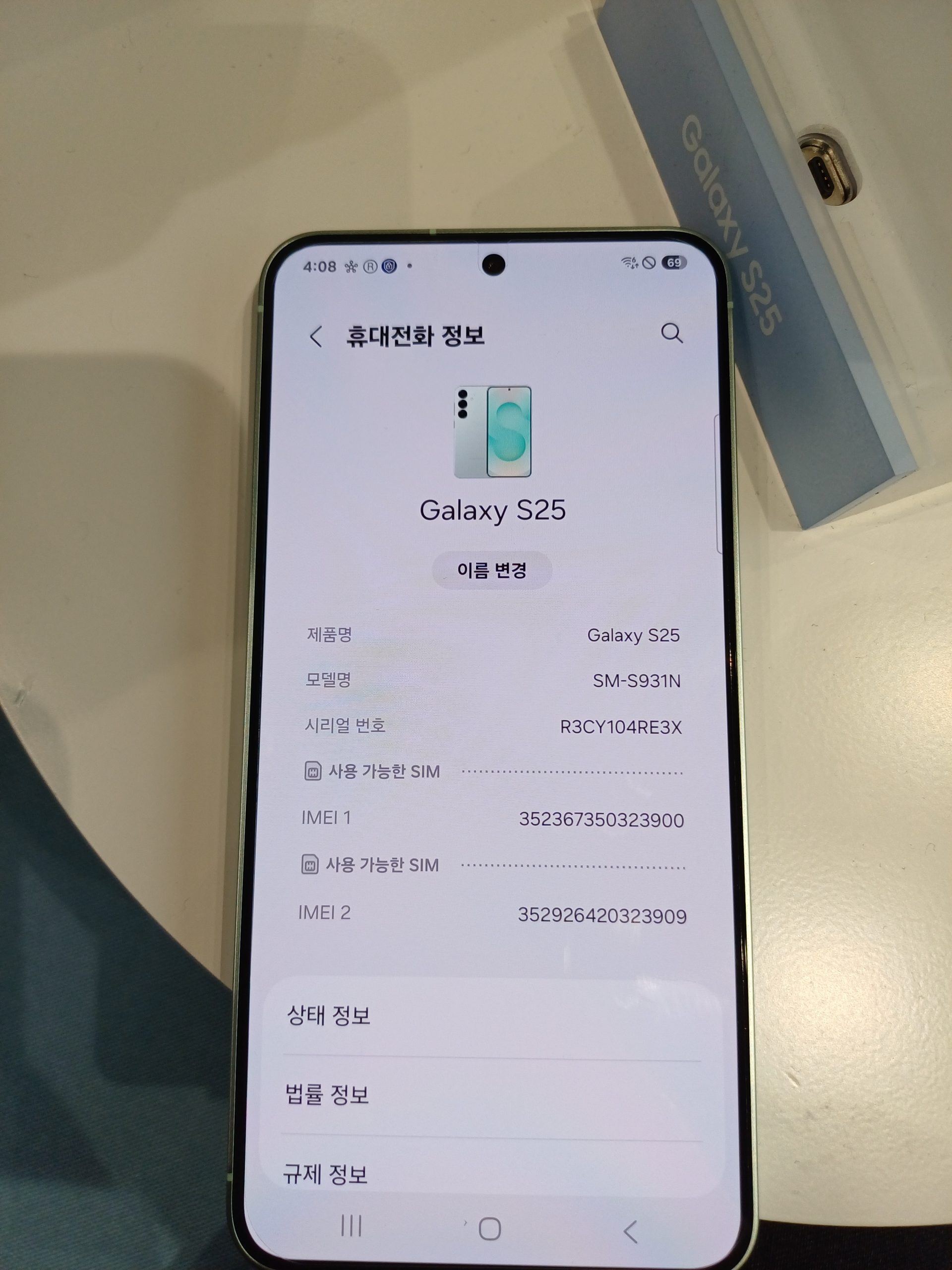

Samsung Wallet is scheduled to add USDC-based cross-border transfers for eligible users in the United States during the last week of October 2026, using Solana and Sui as supporting blockchain networks. The announced distribution footprint covers as many as 82 million U.S. Galaxy devices, but that number describes compatible reach—not activated users, completed transfers or new demand for SOL and SUI.
The Solana Foundation announced the integration on 7 October. CoinDesk’s original reporting on 8 October added operational detail: Bastion will provide custody and stablecoin infrastructure, with assets held through Coinbase Prime Vault and Coinbase acting as a sub-custodian. The service is not yet live, and evidence of real adoption will begin only after the planned rollout.
What the service is designed to do
Eligible U.S. users are expected to initiate a transfer inside the familiar Samsung Wallet interface rather than installing a separate crypto application or managing private keys directly. According to the Solana Foundation, Samsung Wallet and Samsung Pay will support stablecoins on Solana, with integrated fiat on- and off-ramps converting between local currency and USDC.
CoinDesk reports that users will be able to send USDC to compatible external wallets or route a transfer to eligible bank accounts in more than 60 countries, where recipients may receive local currency. Samsung will not charge for transfers to compatible external wallets, although recipient wallets, exchanges and other service providers may impose their own fees. Identity checks and biometric authentication on a registered Galaxy device are also expected to form part of the user flow.
The 82 million figure needs careful interpretation. It is the stated number of U.S. Galaxy devices across which the feature can be made available at launch. It is not a forecast of customers, and it does not mean 82 million people will hold or transfer USDC. Availability may also depend on device compatibility, customer eligibility, identity verification and the service’s final launch conditions.
Solana and Sui have different evidence trails
Solana’s first-party announcement directly confirms its role and dates the expected start to the last week of October. It also quotes Woncheol Chai, Samsung Electronics’ head of the digital-wallet team, describing the aim of placing stablecoin transfers inside the existing Samsung experience.
CoinDesk reports that both Solana and Sui will provide blockchain support. That makes this a multi-network product rather than a Solana-exclusive channel. NetNapz has not found a separate Samsung newsroom release that specifies routing logic between the two networks, so it would be premature to infer which chain will handle most transfers, how users will choose a network, or whether both options will be available to every eligible customer on day one.
The custody architecture also matters. Users are not being asked to self-custody the USDC used inside the integrated product. Bastion and Coinbase-related infrastructure introduce service-provider, eligibility and operational dependencies that differ from sending funds from a user-controlled wallet. The interface may reduce crypto complexity, but it does not remove counterparty or access risk.
NetNapz assessment
Verified fact: Solana says Samsung Wallet will support U.S. cross-border USDC transfers beginning in the last week of October, and independent reporting identifies Solana, Sui, Bastion and Coinbase in the operating stack. Inference: embedding stablecoin transfers in a widely distributed phone wallet could lower a major adoption barrier, but the announcement alone does not demonstrate transaction demand, customer retention or material network economics.
The constructive case is conditional. If Samsung activates the feature on schedule, customers complete transfers at competitive all-in costs and the service expands beyond the United States, the product could provide a measurable consumer distribution channel for stablecoins. On-chain settlement data, where attributable, would then help show how much activity reaches Solana and Sui rather than merely passing through a branded interface.
The weaker case would be limited eligibility, poor conversion economics, compliance friction or low repeat use. Bank-account payouts in more than 60 countries may still depend on local partners, operating hours, foreign-exchange spreads and regulatory availability. A “zero fee” statement for an external-wallet leg should not be read as a guarantee that every end-to-end route is free.
For SOL and SUI, value capture remains unproven. USDC transfers require network execution, but consumer-scale payment fees can be very small, and neither compatible device count nor stablecoin balance automatically creates sustained demand for the native token. The relevant evidence is actual settlement volume, fee generation, repeat users and whether the networks gain additional applications or liquidity from the integration.
What would confirm—or weaken—the thesis
Confirmation would include an on-time launch, a public list of eligible devices and jurisdictions, transparent fee and exchange-rate disclosures, reliable transfer completion, meaningful repeat usage and verifiable network-level activity. Expansion into online or tap-to-pay purchases—mentioned as a possible later step in reporting—would be a separate catalyst and should not be treated as part of the initial remittance launch.
The thesis would weaken if the rollout is delayed, materially narrower than advertised, or generates little observable usage. Custody outages, compliance restrictions, poor foreign-exchange pricing or unclear routing between Solana and Sui would also reduce the significance of the distribution claim.
The immediate milestone is therefore operational, not speculative: Samsung Wallet must turn a scheduled feature into a working payment route. Until that happens, 82 million Galaxy devices represent potential access—not adoption.
Sources
Solana Foundation announcement, 7 October 2026; CoinDesk original reporting, published and updated 8 October 2026; Wikimedia Commons image record and licence.