
 SPONSORED PARTNERMEXCExplore global spot and futures marketsEXPLORE MEXC →
 CHARTING PARTNERTradingViewAdvanced charts, indicators and market analysisOPEN CHARTS →
 TRADING PARTNERGMX via NetNapz TradeTrade decentralised perpetual marketsSTART TRADING →
Standard Chartered Launches RLUSD Custody; LMAX Collateral Use Is Not Yet Live
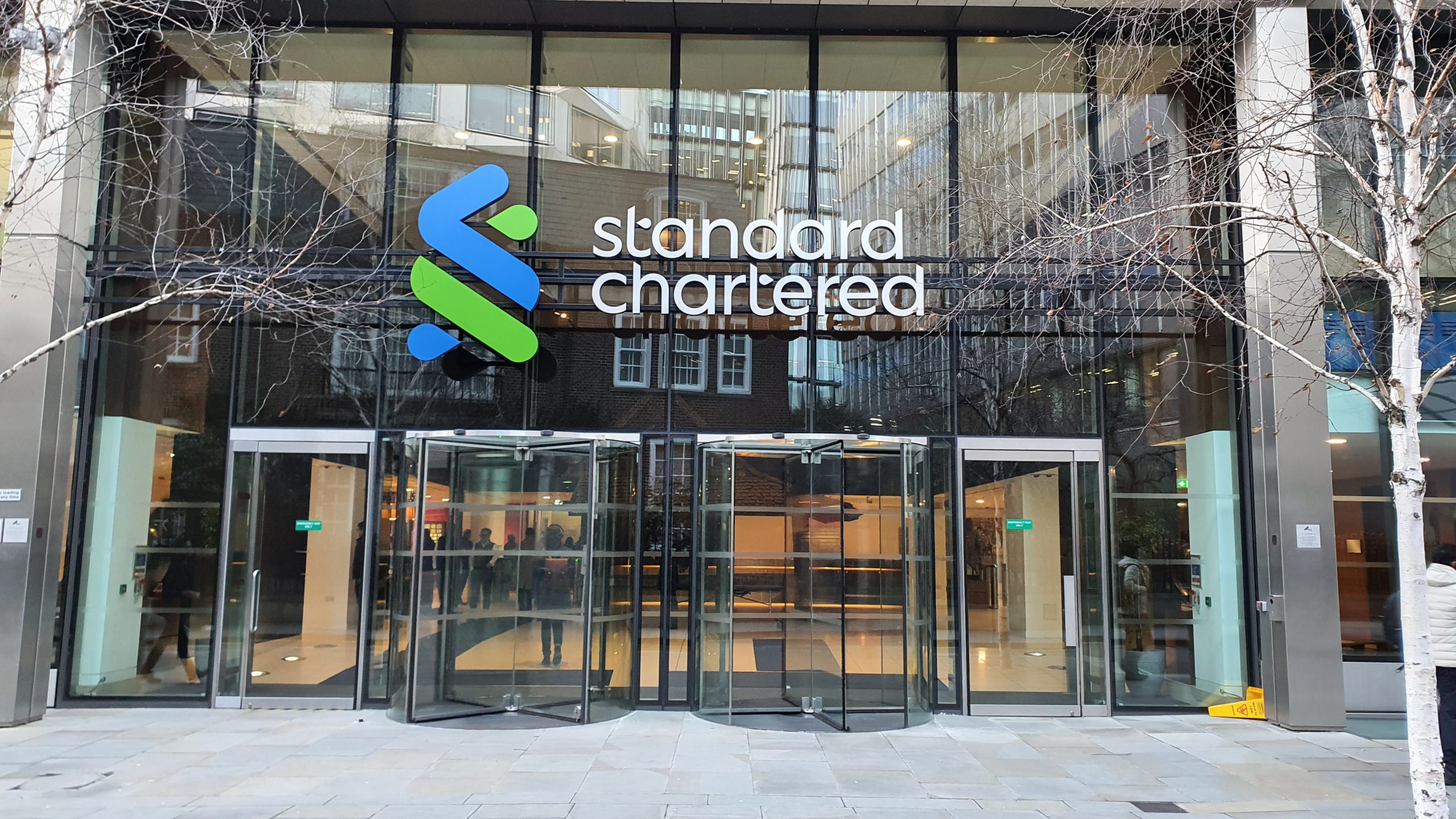
Standard Chartered has begun institutional custody for Ripple USD on the XRP Ledger through its Dubai International Financial Centre branch, separating a live bank-custody service from a proposed LMAX collateral arrangement that still needs testing, documentation and approvals.
12 October 2026 · XRP Ledger · Stablecoins · Institutional custody · Source-checked report
What is live
Standard Chartered said on 12 October that eligible institutional clients can now hold Ripple USD, or RLUSD, through the bank’s digital-asset custody infrastructure. The service covers RLUSD issued on the XRP Ledger and is provided by Standard Chartered Bank’s DIFC branch, which the bank identifies as regulated by the Dubai Financial Services Authority.
This is a completed product launch rather than a memorandum or an intention to explore custody. It gives qualifying clients a bank-operated route to safeguard an XRP Ledger stablecoin inside an existing institutional framework. The announcement does not disclose client numbers, assets under custody, transaction volume or fees, so the commercial scale of the service cannot yet be measured.
RLUSD is Ripple’s dollar-denominated stablecoin. Its use on the XRP Ledger gives institutions another settlement asset on that network, but custody adoption should not be conflated with use of XRP itself. The bank’s release describes XRP and RLUSD as separate assets within Ripple’s broader infrastructure.
What remains planned
Standard Chartered is also working with Ripple and LMAX Group to make RLUSD eligible collateral for agreed trading and collateral-management products. Under the proposed structure, RLUSD would remain at Standard Chartered while the value of eligible holdings is mirrored to LMAX Group. The intended benefit is to let clients support trading positions without transferring the underlying stablecoin directly to the venue.
That distinction is operationally important. Moving collateral between a custodian and a trading venue creates settlement, timing and counterparty exposures. A mirroring model can reduce some transfer-related risks and may improve capital efficiency, but it also depends on accurate records, eligibility rules, legal enforceability and coordination between the custodian and venue.
The collateral capability is not live. Standard Chartered says it remains subject to final documentation, successful testing, applicable law and regulation, internal approvals and jurisdictional readiness. No launch date was announced. Reporting the whole arrangement as an operational LMAX integration would therefore overstate the current position.
Why the bank route matters
Institutional stablecoin use is constrained by more than blockchain speed. Funds, banks and asset managers also need custody controls, account segregation, compliance procedures, operational resilience and clear responsibility when assets support trading positions. Standard Chartered’s service places RLUSD inside a regulated bank branch rather than requiring every client to build its own wallet and signing infrastructure.
The service could expand the set of professional counterparties willing to evaluate RLUSD, particularly those whose mandates require a regulated custodian. The proposed LMAX model could add utility if institutions use bank-held RLUSD as collateral across eligible products. Neither outcome is guaranteed by product availability alone.
The launch also does not remove stablecoin-specific risk. Clients remain exposed to the quality and accessibility of RLUSD reserves, the issuer’s redemption arrangements, blockchain and smart-contract operations, custody controls, legal treatment and any jurisdictional restrictions. Collateral mirroring would add its own reconciliation and default-management requirements.
Implications for XRP and the XRP Ledger
Verified fact: Standard Chartered is custodying RLUSD issued on the XRP Ledger. NetNapz inference: this strengthens XRPL’s institutional infrastructure, because a globally recognised bank is supporting an asset native to the network. It is not direct evidence of rising XRP demand.
RLUSD transfers use XRPL infrastructure and may contribute to network activity. However, the bank did not publish expected transaction counts, fee demand or any mechanism linking custody balances to sustained XRP purchases. XRP’s role as the network’s native asset remains distinct from a dollar stablecoin balance held for custody or collateral.
The constructive case is that clients place material RLUSD balances with the bank, the LMAX arrangement completes and mirrored collateral produces recurring institutional settlement activity. The weaker case is that custody remains lightly used, collateral integration is delayed or institutions prefer competing stablecoins and networks.
Confirmation: disclosed institutional clients or balances, implementation of the LMAX arrangement, supported product details and measurable XRPL activity attributable to the service. Invalidation or delay: failure to complete documentation and testing, regulatory limits, weak client uptake or a change in eligible-collateral policy. The relevant horizon is several quarters rather than an immediate XRP price signal.
What to watch
- Which institutional client types and jurisdictions can access the DIFC custody service.
- Whether Standard Chartered reports RLUSD assets under custody or client adoption.
- Final documentation and testing for LMAX’s collateral-mirroring model.
- The products that accept RLUSD and their margin, haircut and liquidation rules.
- Evidence of additional RLUSD issuance, redemption and settlement activity on XRPL.
- Whether comparable bank-custody support expands to other regions.
Sources
- Standard Chartered — RLUSD custody launch and planned collateral integration, 12 October 2026
- The Block — independent report on the custody launch and outstanding conditions, 12 October 2026
- Wikimedia Commons — Standard Chartered headquarters photograph and licence record
Published 12 October 2026. Confirmed facts are drawn from the dated sources above. NetNapz assessment is analysis, not investment advice.