
 SPONSORED PARTNERMEXCExplore global spot and futures marketsEXPLORE MEXC →
 CHARTING PARTNERTradingViewAdvanced charts, indicators and market analysisOPEN CHARTS →
 TRADING PARTNERGMX via NetNapz TradeTrade decentralised perpetual marketsSTART TRADING →
Tesla Drops Nearly 6% as NHTSA Cybercab Audit Turns Launch Into Valuation Test
September 4, 2026 — NetNapz Market Desk. Tesla has moved its purpose-built Cybercab from demonstration and production story into limited real-world passenger service in Austin, Texas. Tesla’s own support material now says Cybercab rides are available in limited areas of Austin, while its newly published Cybercab Rider Guide describes how customers request, enter, ride in and exit the two-seat vehicle. Unlike the Model Y robotaxis Tesla has already deployed, Cybercab has no steering wheel or pedals and is designed around fully autonomous operation.
The timing matters for traders because Tesla’s valuation increasingly rests on autonomy, AI and robotics rather than conventional vehicle-unit growth alone. A real passenger deployment gives investors a new operating proof point, but it also raises the bar: the market now needs evidence that Cybercab can expand safely, win regulatory acceptance and scale economically beyond a small launch fleet.
What changed: Cybercab is now an operating service, not just a product roadmap
Tesla’s Cybercab FAQ states that rides are currently available in limited areas of Austin. The company’s Rider Guide, published September 3, explains that customers can book Cybercab through the Robotaxi app, identify the assigned vehicle by its lightbar and license plate, start the trip from the app and use the cabin touchscreen for route progress, climate, entertainment, pull-over and support functions.
Tesla also says the vehicle uses camera vision and sensors to navigate city streets, highways, intersections and parking lots. The two-seat layout includes butterfly-style doors and a large touchscreen, with no conventional driver controls. That distinction makes this launch more significant than another geographic expansion of Tesla’s existing Model Y robotaxi service.
Associated Press reported that dozens of Cybercabs were sent onto Austin streets during the launch and that Tesla shares rose roughly 5% on the session. The immediate equity reaction shows why this is a market story as well as a technology story: autonomy remains one of the most important narratives supporting Tesla’s premium valuation.
The trader question is now scale, not proof of concept
A limited Austin rollout clears one hurdle, but it does not answer the central valuation question. Tesla still has to show that Cybercab can move from dozens of vehicles to a much larger network while maintaining acceptable safety performance, customer availability and unit economics.
That matters because Tesla’s autonomy thesis has repeatedly been priced on future scale. Reuters reported ahead of the launch that Tesla had 45 Cybercabs registered in Texas, while rival Waymo had a significantly larger autonomous fleet footprint. Tesla’s advantage is its ambition to use a lower-cost camera-led architecture and eventually connect autonomy to a very large installed vehicle base. Its risk is that regulatory constraints, software incidents or operational bottlenecks slow the ramp.
NHTSA audit hits Tesla shares
The regulatory issue escalated materially on September 4. Reuters reported that the U.S. National Highway Traffic Safety Administration has opened an audit into about 1,000 Tesla Cybercab vehicles, examining the process and technical data Tesla relied on when certifying compliance with federal vehicle-safety standards. NHTSA said the Cybercab lacks permanently attached conventional manual controls including a steering wheel, brake pedal, accelerator pedal and mirrors.
NHTSA said it will examine the basis for Tesla’s certification, including how the company determined that certain Federal Motor Vehicle Safety Standards were not applicable to the vehicle. Tesla had 420 autonomous vehicles registered in Texas as of Friday morning, according to state records cited by Reuters, including 45 Cybercabs.
NHTSA’s broader 2026 automated-vehicle policy has been moving toward faster exemptions and new AV performance standards, while retaining enforcement oversight. In July the agency granted Zoox a temporary commercial-deployment exemption for up to 2,500 vehicles annually for two years. For traders, Tesla’s federal pathway is now an active risk factor: a clean audit outcome would support the scaling thesis, while a finding that certification was insufficient could slow deployment, force design changes or increase the regulatory discount applied to Tesla’s autonomy valuation.
Market reaction: Associated Press reported that Tesla shares fell nearly 6% after the launch and NHTSA investigation, reversing the prior session's launch-driven gain. That makes Cybercab an immediate valuation test: investors are now pricing not only adoption and fleet growth, but the risk that certification questions could slow deployment, require design changes or raise the regulatory discount on Tesla's autonomy thesis.
Competition is getting more intense
Tesla is not launching into an empty market. Waymo already runs commercial autonomous ride services across multiple U.S. cities, while Uber is building partnerships with autonomous-driving developers rather than relying on one in-house stack. This week, Uber and Wayve also launched supervised autonomous rides in London, adding another real-world benchmark for how quickly robotaxi networks can expand under different regulatory regimes.
The strategic difference is important. Tesla wants to combine vehicle manufacturing, autonomy software, fleet operation and potentially third-party fleet ownership into one ecosystem. If that integrated model works, margins and network effects could be powerful. If it does not, Tesla may face a more capital-intensive rollout than investors currently assume.
The Cybercab launch is a meaningful milestone because it converts a heavily anticipated Tesla narrative into a live customer product. For traders, however, the first Austin rides are confirmation of direction, not confirmation of scale. The strongest bullish follow-through would be a steady increase in active vehicles, expanding service zones, repeatable ride availability and new regulatory approvals without a material deterioration in safety metrics. The bearish invalidation would be a stalled fleet ramp, high intervention or incident rates, or regulators limiting deployments in key markets.
What traders should watch next
Fleet growth: how quickly Tesla moves from a limited Austin deployment toward hundreds and then thousands of purpose-built Cybercabs.
Service-area expansion: whether Cybercab itself, rather than Model Y robotaxis, reaches additional Texas or Florida markets.
Regulatory approvals: especially any change in federal treatment of vehicles without conventional controls and state-level permits in major markets such as California.
Safety data: crashes, interventions, traffic-law incidents and any new NHTSA inquiries will be high-sensitivity catalysts for Tesla shares.
Economics: ride pricing, utilization, maintenance and manufacturing-cost disclosures will determine whether the network can support the margin assumptions embedded in Tesla’s valuation.
Competitive response: Waymo fleet growth, Uber partnerships and other robotaxi launches will help determine whether Tesla is gaining or merely entering an already accelerating market.
Cross-asset implications
A successful Cybercab ramp would reinforce the broader AI-capex and physical-AI theme that also supports Nvidia, autonomous-compute suppliers, data-center infrastructure and robotics names. A regulatory setback would have the opposite effect: it could pressure the higher-beta autonomy complex and remind markets that AI monetization in the physical world is constrained by safety, permitting and capital intensity in a way that software deployment often is not.
Tesla’s launch also raises the competitive stakes for Uber. If Tesla proves it can own both the vehicle and the ride-hailing network, platform economics could shift. If Tesla struggles to scale, Uber’s asset-light partnership model may look more attractive.
Bottom line
Tesla’s Cybercab has crossed from launch story into a live federal compliance test. NHTSA’s audit of about 1,000 vehicles raises the stakes because Tesla must now defend the certification basis for a purpose-built robotaxi without conventional controls. The next trade is whether that review clears a path to scale or becomes a regulatory brake on the autonomy premium.
Sources
Tesla Support — Cybercab Frequently Asked Questions
Tesla — Cybercab Rider Guide, published September 3, 2026
Associated Press — Cybercab launch and market reaction
NHTSA — September 4 Audit Query into Tesla Cybercab self-certification
Reuters — September 4 NHTSA audit into about 1,000 Cybercabs
NHTSA — 2026 automated-vehicle exemption and safety-policy framework
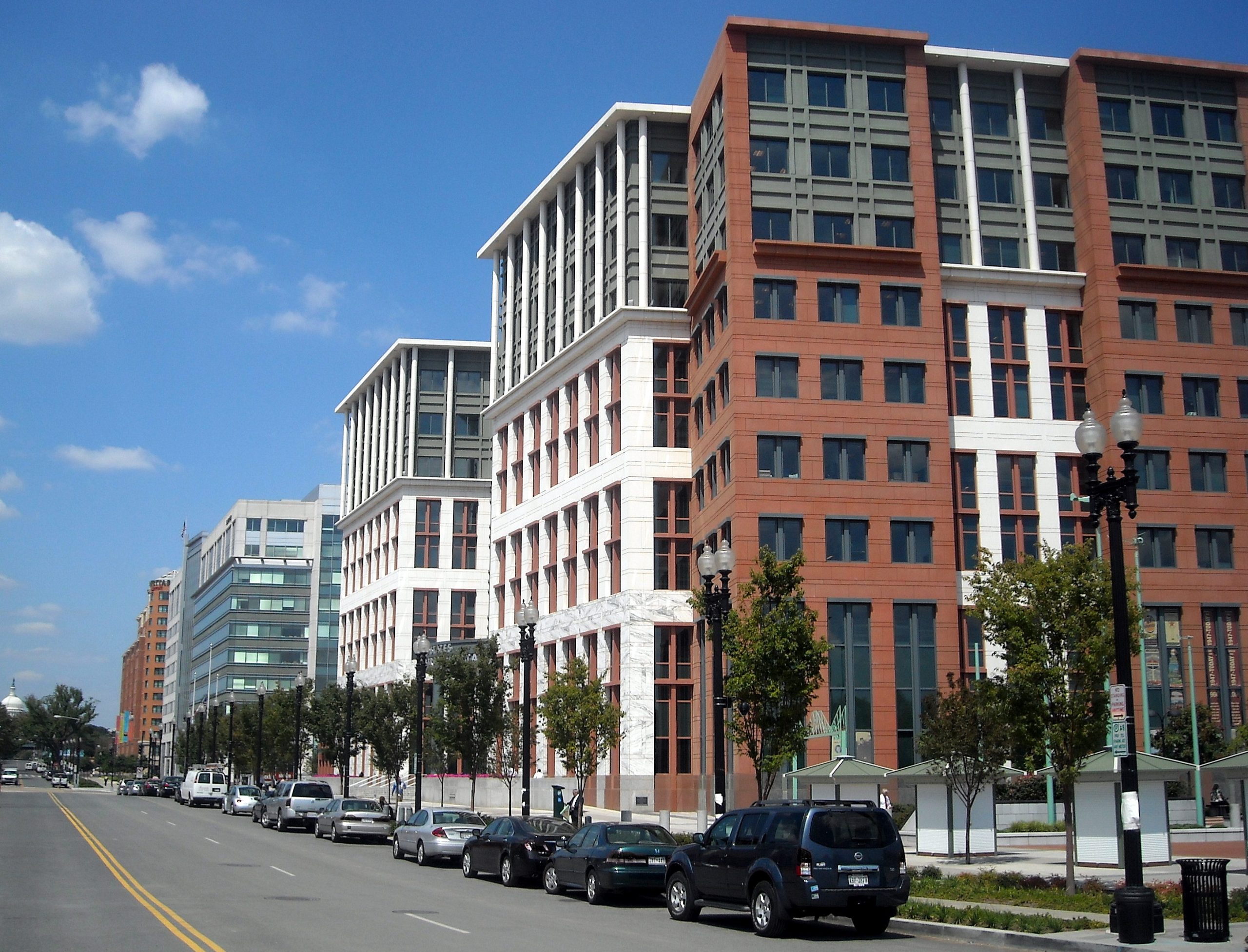
Wikimedia Commons / AgnosticPreachersKid — USDOT headquarters, CC BY-SA 3.0 hero image

Market analysis is informational and educational only and is not financial advice. Equity and technology-theme trades can move sharply around regulatory, safety and product announcements.