
 SPONSORED PARTNERMEXCExplore global spot and futures marketsEXPLORE MEXC →
 CHARTING PARTNERTradingViewAdvanced charts, indicators and market analysisOPEN CHARTS →
 TRADING PARTNERGMX via NetNapz TradeTrade decentralised perpetual marketsSTART TRADING →
Japan Warns on Weak Yen as Intervention Risk Returns Near USD/JPY 156
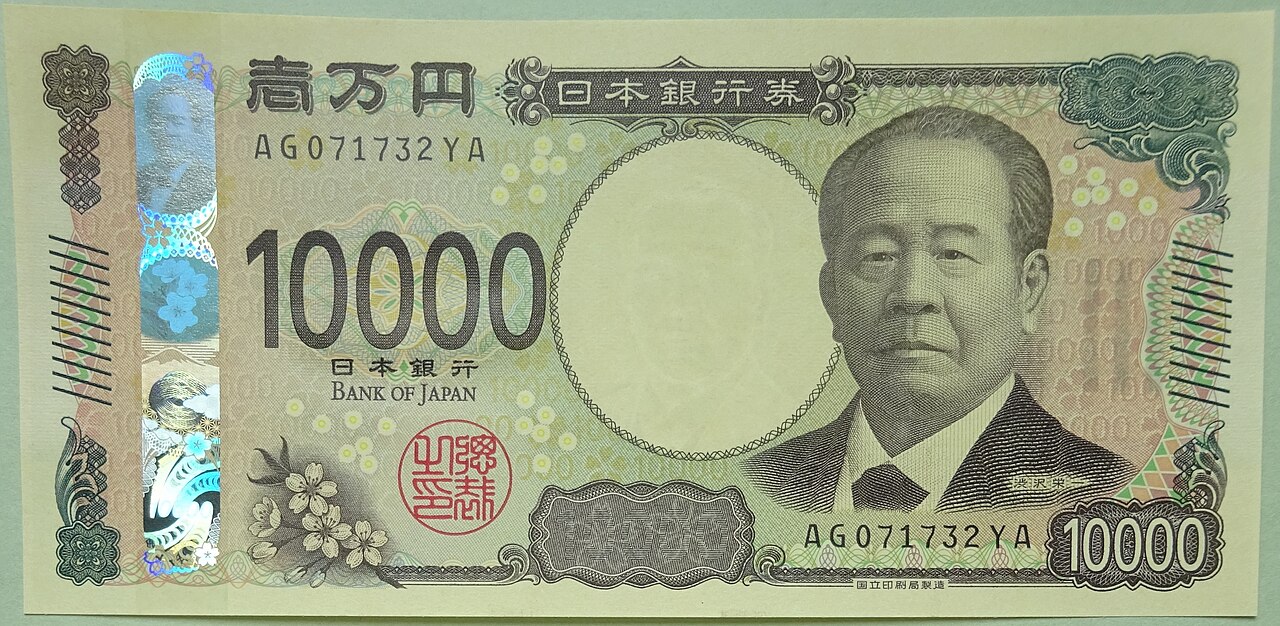
Updated September 4, 2026 — NetNapz Market Desk. Japan’s top currency diplomat kept intervention risk firmly in play Friday after a volatile yen session that briefly pushed USD/JPY down to about 155.31 before the pair rebounded toward 156.43. Atsushi Mimura said Tokyo’s stance had not changed and that authorities remained alert to exchange-rate moves while staying in close contact with U.S. officials.
The update materially changes the near-term setup from Thursday’s straightforward yen-rebound story. Markets are still close to fully pricing another Bank of Japan rate increase this month, but the pair’s quick recovery after Mimura’s comments shows that the underlying U.S.-Japan yield gap remains powerful. Traders now have to balance three live drivers at once: BOJ tightening risk, the threat of another yen-buying intervention and the U.S. August payrolls report due later Friday.
Why intervention risk matters again
Japan and the United States already carried out a rare coordinated yen-buying intervention on July 31. Japan’s Ministry of Finance said that action was aimed at countering excessive volatility and disorderly yen moves and explicitly stated that it would not hesitate to conduct further joint intervention if needed. That precedent means intervention is no longer a theoretical tail risk.
Friday’s warning matters because the yen has struggled to hold gains even as domestic rate expectations become more hawkish. Reuters reported that USD/JPY fell to about 155.305 after Mimura’s remarks, then recovered to around 156.43 later in Asian trading. That reversal suggests speculative and structural dollar demand remain resilient.
The BOJ side of the trade is still supportive for yen bulls
The Bank of Japan’s current policy rate is around 1.0%, and markets have moved close to fully pricing another increase this month after a series of hawkish communications. That narrows the rate gap with the United States and raises the cost of funding carry trades in yen.
But the policy channel is not one-directional. A higher BOJ rate can support the yen, yet U.S. Treasury yields and Federal Reserve expectations can overwhelm that effect if American data surprise to the upside. That makes Friday’s U.S. payroll report especially important for USD/JPY.
Payrolls are the next major catalyst
The August U.S. employment report is due at 8:30 a.m. New York time on September 4. Market estimates cluster around a modest payroll gain after July’s 23,000 decline, with forecasts generally near 50,000–65,000. A stronger-than-expected print would reinforce the U.S.-Japan yield differential and could drive USD/JPY back toward 158 and potentially 160. A weak report would support the yen and could increase the chance that the pair retests 155 or breaks lower.
The reaction in Treasury yields may matter more than the headline payroll number itself. If two-year yields rise sharply after the report, the dollar could strengthen even if employment growth is only moderate. If yields fall and Fed tightening expectations retreat, yen strength would have a stronger macro foundation.
USD/JPY is now a three-way policy trade rather than a simple momentum setup. The BOJ tightening story supports the yen, Japan’s intervention warning caps aggressive upside in the pair, and U.S. payrolls determine whether the dollar can rebuild enough rate support to challenge 158–160 again.
The most important distinction is between an orderly policy-driven yen move and a disorderly carry unwind. A gradual decline in USD/JPY with stable equities would point to rate normalization. A fast move below 155 accompanied by weaker Nasdaq, Bitcoin and other high-beta assets would be a warning that yen-funded carry positions are being reduced more aggressively.
What to watch next
Immediate pivot: 156.0–156.5. Holding above this band keeps the recovery structure alive after Friday’s early yen spike.
Upside risk zone: 158–160. A move back into this area would increase the probability of stronger verbal intervention and put the July precedent back at the center of trading.
Downside confirmation: a sustained break below 155 would strengthen the yen-bull case and raise the risk of broader carry-trade stress.
Macro trigger: the August U.S. jobs report and the Treasury-yield response immediately after release.
Policy trigger: any new BOJ signal that September tightening is becoming more likely, or any confirmation that Japanese authorities are preparing actual market intervention.
Broader market implications
The yen remains a key cross-asset funding currency, so abrupt moves can spill into technology shares, crypto and other leveraged risk positions. A stronger yen combined with falling Treasury yields can still be constructive for some duration assets, but a rapid carry unwind is typically destabilizing because positions are reduced across multiple markets at once.
Japan’s weak-yen problem also has an inflation dimension. A softer currency raises import costs, particularly for energy, while elevated oil prices keep pressure on the domestic cost base. That gives policymakers an incentive to resist disorderly depreciation even if they prefer monetary policy to do most of the work.
Bottom line
Japan has put intervention risk back near the front of the USD/JPY trade. The yen’s initial move to around 155.31 after Friday’s warning and subsequent reversal toward 156.43 show that neither side has control yet. The next decisive move is likely to come from U.S. payrolls, Treasury yields and any fresh signal from Tokyo on whether warnings are turning into action.
Sources
Reuters — Japan warns against weak yen, September 4, 2026
Japan Ministry of Finance — July 31 coordinated yen intervention statement
Bank of Japan — current policy-rate and meeting information
U.S. Bureau of Labor Statistics — September 2026 release calendar
Risk disclaimer: Foreign-exchange, equity and crypto markets can move sharply around intervention, central-bank communication and labor data. This article is for information and market analysis only and is not financial advice.