

OPEC+ Holds October Oil Output Steady as Hormuz War Keeps Supply Risk Elevated
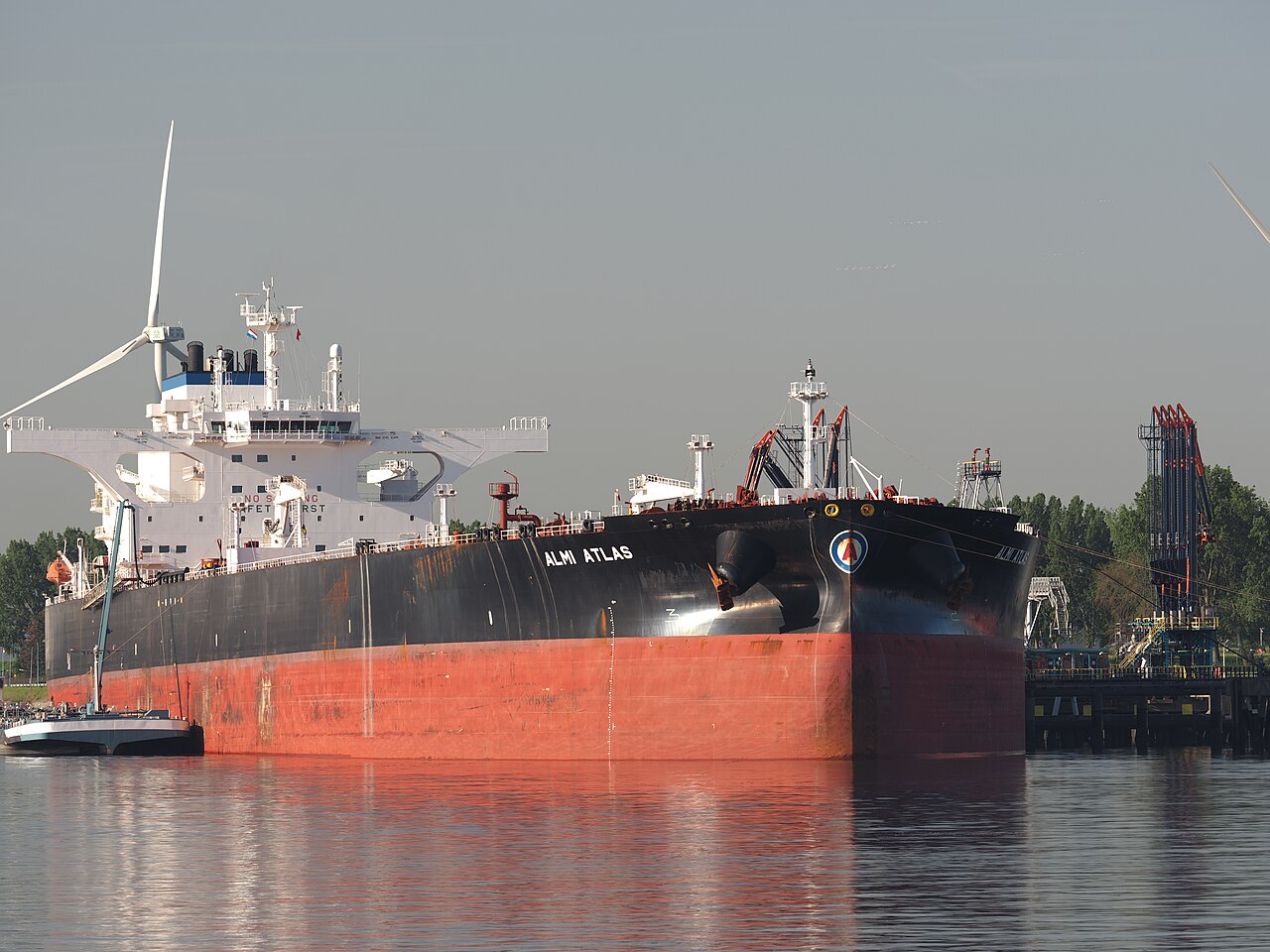
September 6, 2026 — NetNapz Market Desk: OPEC+ has paused its recent run of production increases, with Saudi Arabia, Russia, Iraq, Kuwait, Kazakhstan, Algeria and Oman agreeing to keep September required output levels unchanged for October. The decision lands at an unusually sensitive moment for oil markets: U.S.-Iran fighting around the Strait of Hormuz has intensified, tanker traffic remains disrupted and the latest military exchange has pushed the energy risk premium back toward the center of the global inflation trade.
OPEC’s official statement says the seven participating countries met virtually on September 6 to review global market conditions and decided to maintain September production requirements for October. The group reiterated its commitment to full conformity with the Declaration of Cooperation and scheduled its next monthly meeting for October 4.
The timing matters because the policy hold follows six months of incremental supply increases while physical flows through the Gulf remain constrained by war risk. Independent reporting from Reuters and The Wall Street Journal says the group is now effectively pausing that sequence rather than adding another tranche of barrels into a market where geopolitical disruption is limiting how much nominal production policy can translate into actual export availability.
Why the OPEC+ pause matters more than the headline suggests
A flat production target would normally be a modest event. In the current regime, it has larger cross-asset consequences because the marginal barrel is competing with a geopolitical risk premium that monetary policy cannot directly offset.
Brent has recently traded above the mid-$90s as renewed U.S.-Iran hostilities increased concern around tanker movements and the Strait of Hormuz. The key question is therefore not simply whether OPEC+ is “bullish” or “bearish” for crude. It is whether unchanged quotas leave the market with enough spare physical flexibility if shipping disruptions worsen.
That distinction matters for rates, the dollar, equities and crypto. A sustained oil push toward or through $100 would strengthen the inflation-risk channel just as the latest U.S. payroll report has already pushed traders toward a more hawkish Federal Reserve path. Higher energy prices can lift inflation expectations, keep Treasury yields firm and make it harder for duration-sensitive assets such as Nasdaq growth stocks and crypto to absorb risk.
OPEC+ is holding policy while physical supply becomes the real variable
The group’s latest decision does not remove supply from the market; it simply stops adding another scheduled increase for October. But the effectiveness of any quota decision now depends heavily on actual export capability. War-related shipping disruptions, refinery constraints, sanctions, Russian supply complications and compliance gaps can all make headline quotas a poor proxy for barrels that reach buyers.
That is why traders should separate three layers: announced OPEC+ production policy, realized member output and seaborne export flows. The first is now steady for October. The second will depend on compliance and operational capacity. The third remains the most market-sensitive because tanker security and Hormuz access can overwhelm small quota changes.
Cross-asset consequences: oil, yields, dollar, Nasdaq and Bitcoin
Oil
The immediate crude decision zone is the mid-$90s area that has defined the latest risk premium. Holding above that zone while shipping stress persists keeps the door open to a $100 test. A clean retreat back below the low-$90s accompanied by improving tanker traffic would weaken the near-term escalation thesis.
Treasury yields and the dollar
Oil strength becomes especially important after the strong August payroll report revived rate-hike risk. If crude remains elevated, markets may price a stickier inflation path, supporting Treasury yields and potentially the U.S. dollar. That combination would tighten global financial conditions even without a formal Fed policy move.
Nasdaq and AI-linked equities
Higher yields tend to pressure long-duration growth valuations. Nvidia, other AI infrastructure names and the Nasdaq 100 therefore sit downstream of the oil story even though they have no direct connection to OPEC. The risk channel is inflation expectations into rates, then rates into valuation multiples.
Bitcoin and crypto
Bitcoin trades continuously and remains the cleanest weekend gauge of whether traders see the latest oil and geopolitical news as inflationary risk-off pressure or as a contained event. A stronger dollar and higher reopening yields would normally be a headwind for BTC and high-beta altcoins; a muted macro reaction would leave crypto-specific catalysts such as the current Arbitrum/Robinhood Chain repricing with more room to dominate.
NetNapz assessment
Bias: moderately bullish crude / cautious risk assets. The OPEC+ decision itself is not a supply cut, so it should not be treated as an automatic oil breakout signal. The more important point is that the group has chosen not to add further barrels just as physical Gulf risk is rising. That raises the sensitivity of crude to any verified shipping disruption.
The bullish oil thesis strengthens if Brent holds the mid-$90s and verified Hormuz or tanker disruption increases. It weakens if shipping normalizes, no additional physical supply is lost and crude falls back toward the low-$90s. For cross-asset traders, the confirmation is not only oil price: watch whether Treasury yields and DXY rise with crude. If oil rallies but yields and the dollar do not, the macro tightening signal is weaker.
What to watch next
1. The Sunday/Monday crude reopen
The first test is whether Brent and WTI gap higher on the latest tanker and OPEC+ headlines or whether the market had already priced most of the risk.
2. Strait of Hormuz traffic
Actual tanker movement matters more than rhetoric. A sustained reduction in commercial transits would be the clearest confirmation that geopolitical risk is becoming a physical supply problem.
3. OPEC+ compliance and realized exports
October targets are only useful if member output and exports track them. Watch Saudi, Russian, Iraqi and Kazakh production data alongside compensation commitments.
4. The inflation/rates transmission
If oil remains elevated into the next U.S. inflation data and Fed communication, the energy shock could reinforce the post-payroll rise in rate expectations.
5. October 4 OPEC+ meeting
The group has scheduled its next review for October 4. A further hold would confirm a more cautious supply stance; renewed increases would signal greater confidence that the market can absorb additional barrels.
Broader market implications
This decision highlights a recurring problem for traders: nominal spare capacity and announced quotas do not automatically equal available supply. In a normal market, OPEC+ can manage balances through controlled production changes. In a disrupted Gulf market, shipping access, insurance, sanctions, port availability and military risk can dominate the marginal barrel.
That makes oil a macro-liquidity input rather than just a commodity trade. Persistent crude strength can raise inflation expectations, support the dollar, pressure bonds and compress equity multiples. It can also reduce the probability that crypto trades purely on its own adoption and flow catalysts.
Bottom line
OPEC+ has chosen stability over another October supply increase at a moment when the Strait of Hormuz and U.S.-Iran tanker conflict are already constraining confidence in physical flows. The decision is not a fresh production cut, but it removes one potential source of incremental supply relief. For traders, the key confirmation is whether crude holds the mid-$90s and whether that strength feeds into higher yields and a firmer dollar. A return toward the low-$90s alongside normalized shipping would invalidate the immediate escalation trade; a move toward $100 with worsening tanker disruption would materially tighten the cross-asset backdrop.
Sources
OPEC — Saudi Arabia, Russia, Iraq, Kuwait, Kazakhstan, Algeria and Oman reaffirm commitment to market stability, September 6, 2026
Reuters — OPEC+ keeps oil output policy unchanged for October, September 6, 2026
The Wall Street Journal — OPEC and allies agree to keep oil output steady in October, September 6, 2026
Risk disclaimer: This article is for informational purposes only and is not financial advice. Oil, futures, equities, FX and crypto assets can move sharply around geopolitical headlines and liquidity gaps. Verify live prices and manage position size accordingly.