
 SPONSORED PARTNERMEXCExplore global spot and futures marketsEXPLORE MEXC →
 CHARTING PARTNERTradingViewAdvanced charts, indicators and market analysisOPEN CHARTS →
 TRADING PARTNERGMX via NetNapz TradeTrade decentralised perpetual marketsSTART TRADING →
Stablecoin Rules Are Moving: What Is Proposed Versus Final
.jpg)
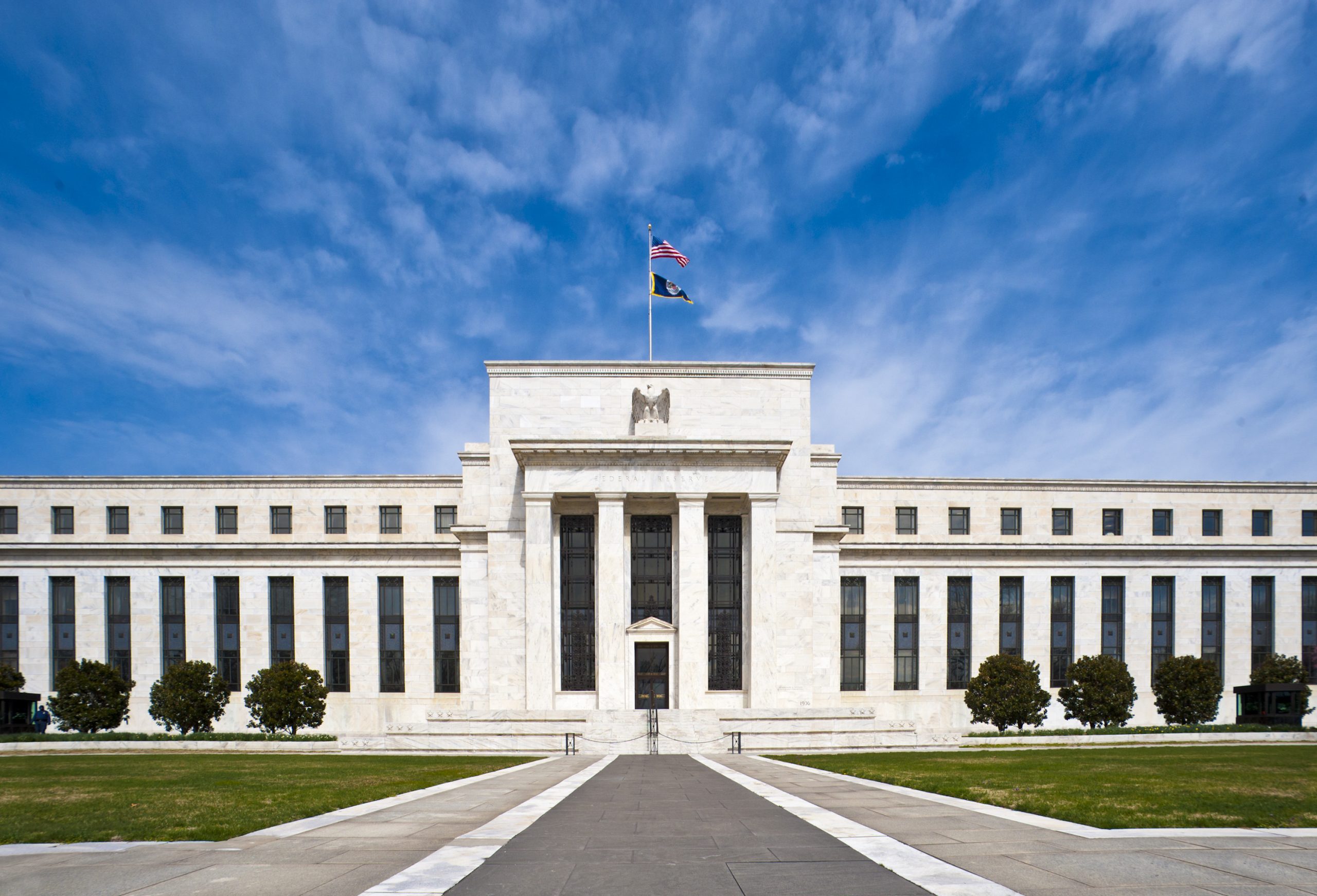
On September 24, the Federal Reserve requested public comment on two proposals for a regulatory framework for Board-supervised payment stablecoin issuers under the GENIUS Act. The announcement does not mean the proposed requirements have become final rules.
What happened and what we know
The Fed’s request for comment is part of a process. Proposal, comment, revision and final rule are distinct stages. The specific supervised issuer, type of reserve asset and redemption commitment determine how a framework may apply; a headline about stablecoins should not be extended to all digital assets.
Why it matters for the market
Reserve quality, capital, custody, redemption and supervision determine how resilient a payment token might be under stress. Governor Barr’s statement highlighted the need for public input on interest-rate and foreign-currency risks in the proposal.
One announcement is rarely enough to explain an asset’s full price move. The timing of data, the scope of the source and the difference between observed activity and a projected effect all matter. In this article, the scenarios below describe conditions to test, not promised outcomes.
Deeper context and limits
A regulatory proposal can evolve materially after comments. Reserve asset eligibility, capital requirements, operational risk and redemption timing may all be contested. Readers should note which authority supervises the issuer and whether the notice covers bank subsidiaries, state-chartered entities or other categories. A general statement about 'all stablecoins' usually overreaches.
Even a final rule would need implementation and supervision. A token holder must still know who owes the redemption, how to request it, what fees apply and what happens during insolvency. Audits, attestations and on-chain balances answer different questions. Assessing a product means combining those records, not equating a steady secondary-market price with a guaranteed claim.
Bull, bear and neutral cases
Bull case
Clear, enforceable safeguards could make qualifying payment instruments easier for users and institutions to assess.
Bear case
Weak implementation or confusing cross-border treatment could leave gaps in redemption and custody protection.
Neutral case
Existing products may continue while regulators gather comments; no final compliance effect follows solely from the proposal.
Confirmation and invalidation
Read the eventual final text and effective date. Invalidate claims that an issuer is authorized unless the named authority confirms that status.
Readers should follow the official notice, comment deadlines and final text. Product claims of being 'approved' should be checked against the specific regulator and authorization, not generalized from the existence of a proposal.
Reader checklist
- Check whether the text is a proposal or final rule.
- Identify the supervising regulator and issuer.
- Review reserves, redemption rights and independent assurance.
Primary sources
Published 26 September 2026. This is a dated report, not a live price feed or personal investment advice. Source documents may be revised after publication.