
 SPONSORED PARTNERMEXCExplore global spot and futures marketsEXPLORE MEXC →
 CHARTING PARTNERTradingViewAdvanced charts, indicators and market analysisOPEN CHARTS →
 TRADING PARTNERGMX via NetNapz TradeTrade decentralised perpetual marketsSTART TRADING →
Bitcoin Mining Economics After the Rate Decision: The Variables That Actually Matter
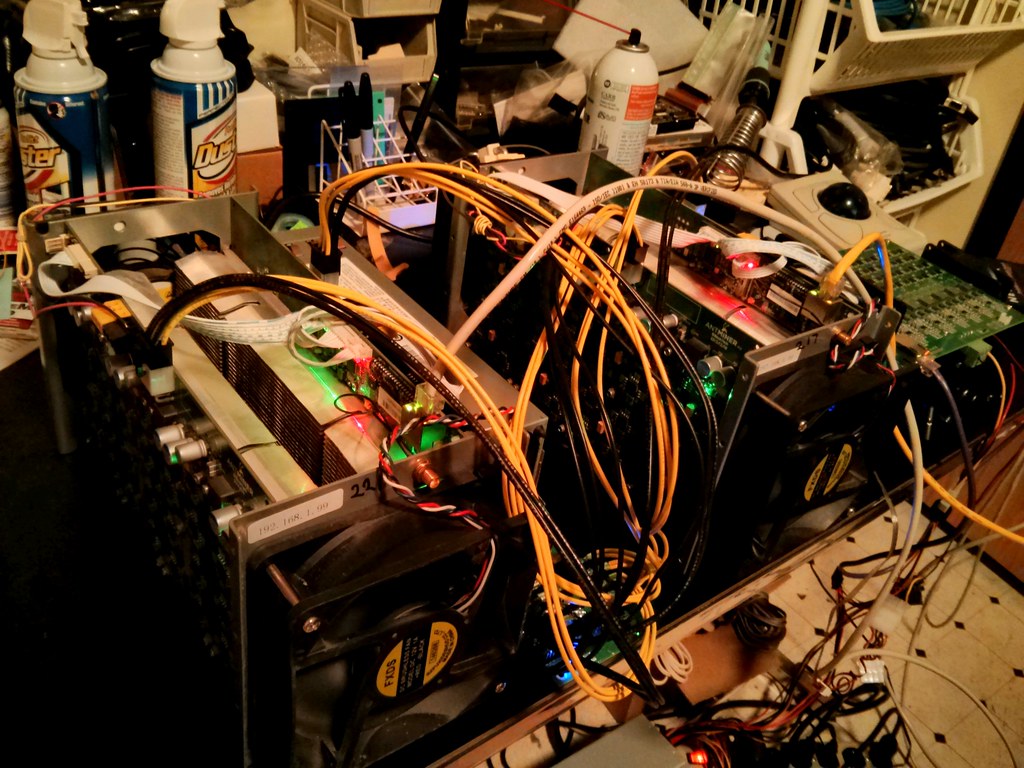

Bitcoin miners earn block rewards and transaction fees while paying for power, equipment and operations. The September 16 U.S. rate increase changes financing conditions for capital-intensive businesses, but it does not change Bitcoin’s consensus rules or guarantee a direction for mining equities.
What the evidence shows
Bitcoin mining is a competition for block rewards and fees, but costs are local to each operator. Two miners with similar hash rate can have very different economics because of electricity contracts, machine efficiency, cooling, uptime and financing. The developer documentation describes how candidate blocks are assembled; it does not tell investors whether a listed miner is profitable.
For a company analysis, compare energy price per kilowatt-hour, fleet efficiency, operating hash rate, network difficulty and realized Bitcoin sales over the same period. Hashprice compresses several variables into revenue per unit of hash rate, but it is not net profit. Debt maturities and equity issuance are separate shareholder risks.
Why it matters
Mining revenue depends on network difficulty, the miner’s share of total hash rate, fees and Bitcoin’s market price. Profitability additionally depends on energy contracts, hardware efficiency, uptime and debt. A single headline hash-rate number cannot reveal a company’s margins.
Deeper context and limits
Mining companies report capacity in several ways: ordered machines, installed machines and machines actually hashing are not interchangeable. Compare each figure with site power availability and commissioning dates. A higher nameplate hash rate can require new financing and can arrive after network difficulty has already adjusted. Public-company investors should also watch dilution and the share of revenue from activities outside mining.
The network perspective differs from the company perspective. Difficulty adjusts to the competition for block rewards, and fees vary with transaction demand. A strong Bitcoin price may encourage more capacity, which can eventually lower revenue per unit of hash rate. Stress-test margins under a weaker coin price and higher difficulty at the same time, rather than changing only one assumption.
Bull, bear and neutral cases
Bull case
Lower costs, reliable uptime and improving fee revenue could help a miner outperform even if network difficulty rises.
Bear case
A higher difficulty, weaker Bitcoin price, rising power cost or expensive refinancing can compress margins quickly.
Neutral case
Network hash rate can rise while individual operators gain or lose share; price direction is not determined by one network statistic.
Confirmation and invalidation
Confirmation needs recurring operating results and cash flow, not a one-day hash-rate chart. A thesis fails when realized economics and balance-sheet costs diverge from the plan.
Use a miner’s own filings for fleet efficiency, power cost and debt, and independently check difficulty and fees. Be cautious about extrapolating a short burst of transaction fees into a durable revenue stream.
Reader checklist
- Use company filings, not promotional capacity targets, for deployed machines.
- Compare network difficulty and transaction fees with the same dates.
- Model a lower BTC price and higher power cost together.
Published 26 September 2026. This is a dated report, not a live price feed or personal investment advice. Source documents may be revised after publication.