
 SPONSORED PARTNERMEXCExplore global spot and futures marketsEXPLORE MEXC →
 CHARTING PARTNERTradingViewAdvanced charts, indicators and market analysisOPEN CHARTS →
 TRADING PARTNERGMX via NetNapz TradeTrade decentralised perpetual marketsSTART TRADING →
ENERGY · BRENT · WTI · GEOPOLITICS
Brent Settles at $98.29 After Gulf Tanker Attacks Renew Oil Supply Fears
Crude rebounded after a sharp prior-day decline as new maritime incident reports reinforced uncertainty over energy shipping through the Gulf and around the Strait of Hormuz.
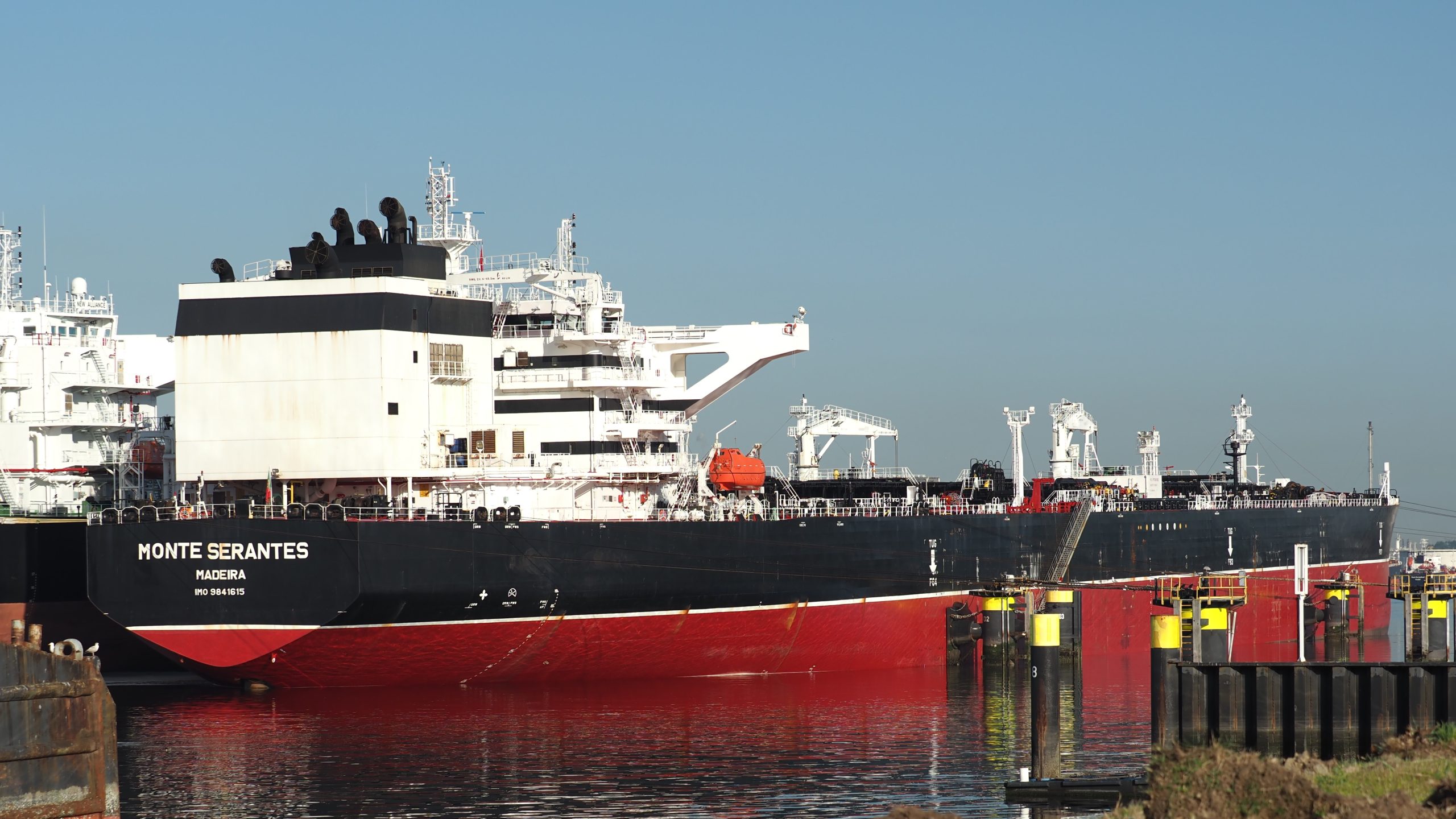
Oil prices rebounded in the 5 November 2026 trading session as traders reassessed the risk that maritime attacks could disrupt energy shipments in and around the Gulf. Brent crude futures settled at $98.29 per barrel, up $3.67 or 3.88%, while US West Texas Intermediate settled at $90.52, up $2.40 or 2.72%, according to Reuters' 5 November settlement report.
These were settlement prices from Thursday, not live oil quotes for 6 November. Both benchmarks had fallen by more than 8% in the previous session, making the rebound part of a particularly volatile sequence rather than proof of a sustained price trend.
What the UK maritime warnings actually say
The United Kingdom Maritime Trade Operations (UKMTO) incident register lists a 5 November report, incident 196, of a tanker struck by two unidentified projectiles roughly 50 nautical miles north of Madinat ash Shamal, Qatar. The agency said information about the crew, damage and environmental consequences had not yet been confirmed.
UKMTO also recorded a 3 November report, incident 195, of a tanker hit by projectiles in its engine-room area northeast of Oman, with no casualties or environmental impact reported at the time. Other warnings in the same period concern merchant vessels and shipping routes around the Strait of Hormuz. Not all reports are complete investigations; the agency advises vessels to use caution and report suspicious activity.
Those incident notices independently establish reports of attacks, but do not conclusively identify who launched every projectile, establish the total loss of oil supply or verify claims about the condition of all affected crews.
Why shipping security matters for energy and currencies
The Gulf is a major route for international crude shipments. Even when physical production has not been disrupted, a higher perceived threat can affect insurance, vessel routing and the willingness of market participants to price uninterrupted deliveries. The path from an attack report to the price of fuel paid by consumers also depends on refining, taxes, local demand and exchange rates.
A sustained rise in energy costs can complicate inflation control for energy-importing economies. For oil exporters, higher prices may improve revenues but do not offset every operational or geopolitical cost. Shipping incidents should therefore be monitored alongside actual export flows and port operations.
NetNapz assessment and limitations
NetNapz assessment: The important question for traders and policymakers is whether security risks convert into measurable transport delays or supply interruptions. Oil's rebound reflects renewed risk pricing in the reported market commentary; it does not by itself prove an actual physical shortage.
Sources: UKMTO's dated incident notices and Reuters' dated futures-settlement report. All figures refer to the reported 5 November session; no live shipping throughput, insurance-rate, spot-price or barrel-loss data were independently verified.