
 SPONSORED PARTNERMEXCExplore global spot and futures marketsEXPLORE MEXC →
 CHARTING PARTNERTradingViewAdvanced charts, indicators and market analysisOPEN CHARTS →
 TRADING PARTNERGMX via NetNapz TradeTrade decentralised perpetual marketsSTART TRADING →
Analyst Note: Bitcoin Realized Volatility Compresses to Multi-Month Low
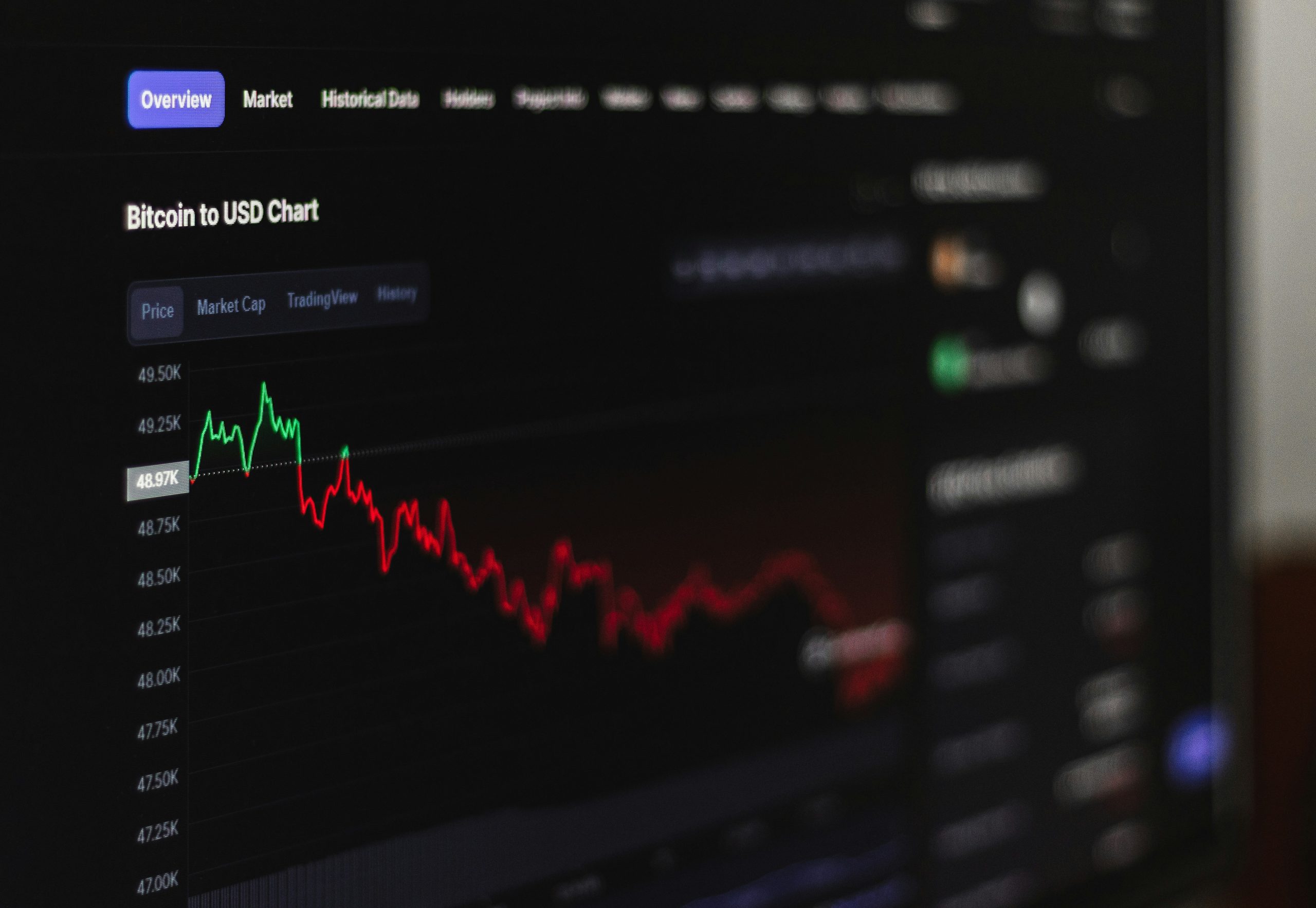
Realized volatility on Bitcoin has compressed to its lowest level in several months, even as price has continued to grind higher. Periods of low realized volatility combined with a persistent trend have historically been followed by volatility expansion in either direction.
Options traders have taken note, with some structuring strategies designed to benefit from an eventual volatility pickup regardless of direction. Analysts stress that low volatility can persist longer than expected, and timing a breakout from compression remains notoriously difficult.
This is technical commentary for informational purposes only, not personalized financial advice. See our Risk Disclaimer.
NetNapz assessment
Volatility compression describes a market storing potential energy, not the direction of the next move. Low realized volatility can persist, and traders who position too early can lose money waiting for expansion. The useful signal comes when compression is followed by a confirmed break with volume and broader market participation.
What to watch next
Monitor realized and implied volatility, options skew, spot volume and the boundaries of the current price range. A clean break accompanied by expanding volume is more informative than a brief wick outside the range that quickly reverses.
Why volatility compression matters
Realized volatility measures how much Bitcoin has actually moved over a historical period. When it falls to a multi-month low, the market is spending more time in a narrow range. Quiet conditions can persist, but they often become important because leverage and options positioning build around an assumption that the range will continue.
Low volatility does not predict direction
Compression tells traders that movement has become unusually small, not whether the next expansion will be higher or lower. A breakout can be triggered by macro data, ETF flows, a regulatory headline or simply a technical break that forces traders to adjust positions.
Options markets provide another clue
Implied volatility shows how much movement options traders expect in the future. If implied volatility remains elevated while realized volatility falls, the market is paying a premium for the possibility of a larger move. If both measures are low, options may be relatively cheap but traders still need a catalyst for volatility to expand.
Why ranges can end violently
During quiet periods, stops accumulate around obvious support and resistance while traders often increase leverage because recent price behavior feels stable. Once one side of the range breaks, those positions can unwind quickly and turn a small initial move into a larger one.
How to prepare
Traders can define both bullish and bearish trigger levels before the breakout rather than guessing direction. Position sizing should account for the possibility that volatility after the break is much higher than volatility during the setup.
Bottom line
Bitcoin's compressed realized volatility is best understood as stored uncertainty. The market is calm, but that calm can make the eventual expansion more important. Confirmation through volume and acceptance outside the range matters more than predicting which side will break first.