
 SPONSORED PARTNERMEXCExplore global spot and futures marketsEXPLORE MEXC →
 CHARTING PARTNERTradingViewAdvanced charts, indicators and market analysisOPEN CHARTS →
 TRADING PARTNERGMX via NetNapz TradeTrade decentralised perpetual marketsSTART TRADING →
Anthropic’s $35B Lambda Cloud Deal Deepens the AI Infrastructure Spending Boom
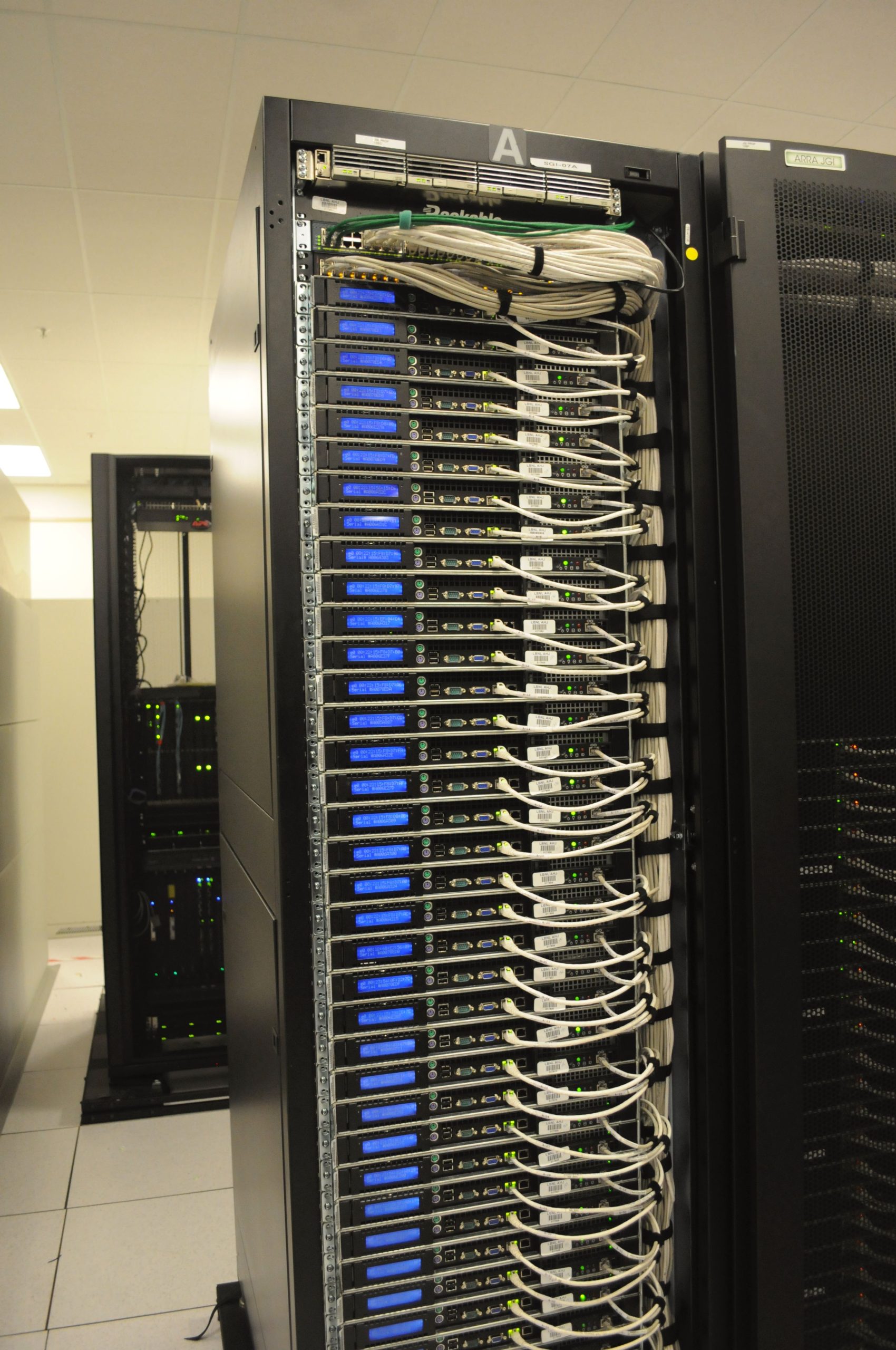
Anthropic has agreed to a cloud-computing deal worth about $35 billion with Nvidia-backed Lambda, according to Reuters, adding another massive commitment to the AI infrastructure build-out. The agreement is tied to a roughly 350-megawatt Texas data-center project being developed by Hut 8, linking one of the largest private AI companies with Nvidia-backed cloud capacity and a former crypto miner that has pivoted toward AI infrastructure.
The scale matters because AI spending is increasingly moving beyond chip orders into long-duration commitments for power, data centers and cloud capacity. Reuters reported that Anthropic recently committed another $45 billion for AI cloud resources from Nscale in West Virginia, highlighting how aggressively frontier-model companies are locking in compute.
Why this is a market story
The direct beneficiaries of the AI boom are no longer limited to model developers and GPU makers. Power providers, data-center operators, optical-networking suppliers and infrastructure landlords are becoming part of the same capital-spending cycle.
Lambda is backed by Nvidia, while Hut 8 has shifted from its crypto-mining roots toward AI data-center development. That crossover is important for traders because several listed mining and energy-intensive infrastructure companies are increasingly valued on their ability to repurpose power and land for AI workloads.
The power bottleneck is becoming more important
A 350-megawatt project is large enough to reinforce one of the central constraints in the AI trade: reliable power. As model companies compete to secure compute, access to grid capacity, data-center campuses and high-density cooling can become as important as access to GPUs themselves.
That makes utility markets, power equipment, networking and data-center real estate increasingly relevant to investors following AI growth. It also raises execution risk because large projects require years of capital, permits and energy availability before they reach full productivity.
What traders should watch
The key question is whether these enormous infrastructure commitments continue translating into durable revenue for the broader AI supply chain. Nvidia remains central, but the market is widening toward cloud operators, networking, photonics, power and data-center developers.
For crypto-linked equities, the Hut 8 connection is especially notable. The market has already rewarded some miners for securing power assets that can be converted to AI and high-performance-computing workloads. Large tenant commitments can strengthen that thesis, but valuation depends on financing, construction execution and actual contracted economics.
Dell results reinforce the same infrastructure thesis
Late on September 1, Dell Technologies raised its annual revenue and profit outlook again after reporting record quarterly revenue and stronger-than-expected earnings, with AI-optimized server demand driving the beat. Reuters reported that Dell now expects about $74 billion of fiscal-2027 AI-server revenue, up from a previous $60 billion forecast, after booking more than $130 billion of AI-server orders over the past 12 months.
Dell shares rose roughly 8% in extended trading. For the broader market, that move is important because it independently validates the same theme highlighted by Anthropic’s cloud commitments: demand is still broadening across hyperscalers, neoclouds, sovereign buyers and enterprises, pulling more spending toward servers, networking, cooling, power and data-center capacity rather than concentrating solely in GPUs.
NetNapz market read: this strengthens the infrastructure-cycle thesis, but the valuation risk remains concentrated in execution. The strongest setups are likely to remain in companies that can show contracted demand, credible power access and improving revenue conversion rather than simply announcing capacity ambitions.
Additional source reviewed: Reuters, September 1, 2026, on Dell Technologies’ AI-server results and updated outlook.
SB Energy IPO filing brings the AI infrastructure cycle into public markets
A fresh September 2 development adds a capital-markets dimension to the same infrastructure thesis. SoftBank-backed SB Energy has filed for a U.S. IPO under the proposed Nasdaq ticker SBE as it builds large-scale AI data-center and power infrastructure for customers including OpenAI and SoftBank.
Reuters reported that SB Energy generated about $138.7 million of first-half 2026 revenue, mostly from its legacy energy business, while posting a roughly $3.21 billion net loss as it invested heavily in data-center development. The company has no operational data centers yet, making execution, financing and customer concentration central risks rather than footnotes.
Nvidia is a strategic backer, while OpenAI is both a customer and investor. The filing shows how tightly the next leg of AI spending is becoming linked to power, financing and long-duration infrastructure commitments rather than chip demand alone.
NetNapz market read: the IPO reinforces the broad AI-infrastructure bull case, but it also sharpens the risk framework. Public investors are increasingly being asked to fund capacity before it is operational, so contracted demand, power access, financing terms and customer concentration matter as much as headline gigawatts. That makes the strongest AI-infrastructure setups the ones with visible revenue conversion and credible buildout economics.
Additional sources reviewed: Reuters and SB Energy public IPO disclosures reported September 1-2, 2026. NetNapz does not treat third-party projections or private commitments as guaranteed outcomes.
NetNapz analyst view
This deal is another sign that the AI trade is becoming an infrastructure cycle rather than simply a semiconductor story. Investors should watch whether capital continues flowing toward power-rich data centers and whether former crypto-mining infrastructure becomes a more important bridge into AI compute.
Source reviewed: Reuters reporting published August 31/September 1, 2026, on Anthropic, Lambda, Nvidia and Hut 8. NetNapz analysis is independent and written for market context. This is not financial advice.
Bottom line
The AI capital-spending boom is moving from chips into power, data centres and long-duration cloud commitments. The bullish case requires utilisation and demand to justify the capacity; the main risks are financing costs, project delays and customer concentration.