
 SPONSORED PARTNERMEXCExplore global spot and futures marketsEXPLORE MEXC →
 CHARTING PARTNERTradingViewAdvanced charts, indicators and market analysisOPEN CHARTS →
 TRADING PARTNERGMX via NetNapz TradeTrade decentralised perpetual marketsSTART TRADING →
OIL · BRENT · GLOBAL MARKETS
Brent Settles at $92.57 as Iran Diplomacy Signals Reshape Oil and Inflation Risk
10 November 2026 — Review of Monday's global energy session. Brent crude dropped sharply on 9 November as investors reassessed the near-term risk of further escalation involving Iran. The fall matters well beyond energy stocks because crude prices feed into inflation expectations, transport costs and central-bank policy debates.
What changed in the market
Reuters' 9 November 2026 global-markets report recorded Brent at $92.57 a barrel, down 5.85%, after US President Donald Trump said further attacks on Iran were unlikely while diplomatic talks continued. This is a dated reported market figure, not a real-time quote for 10 November. The report connected the oil decline with stronger global equity markets as investors considered the possibility of reduced near-term supply disruption.
Such comments can reduce the geopolitical risk premium in futures prices, but a statement about intentions is not a ceasefire, a signed agreement or confirmation that shipping and production risks have disappeared. Oil prices remain sensitive to subsequent official statements and independently verified developments in the region.
Inflation and asset-allocation implications
Lower crude prices can reduce expected fuel and freight costs, helping sectors such as airlines, transport and some manufacturers. Producers and oil-services companies may face the opposite earnings pressure. For central banks, sustained cheaper energy could moderate headline inflation; a one-day move is not sufficient evidence of a durable disinflation trend.
Reuters also reported gains across US and European equities during the session, but those markets were responding to multiple factors, including valuations after a technology sell-off and expectations for monetary policy. It would be too strong to attribute the entire stock rally to oil alone.
What to monitor next
The key variables are whether diplomatic talks progress into verifiable commitments, whether physical crude shipments and insurance conditions improve, and whether benchmark prices sustain their decline. Investors should also watch official US inflation data due on 10 November and subsequent central-bank communication. Those data can change the policy interpretation of cheaper energy.
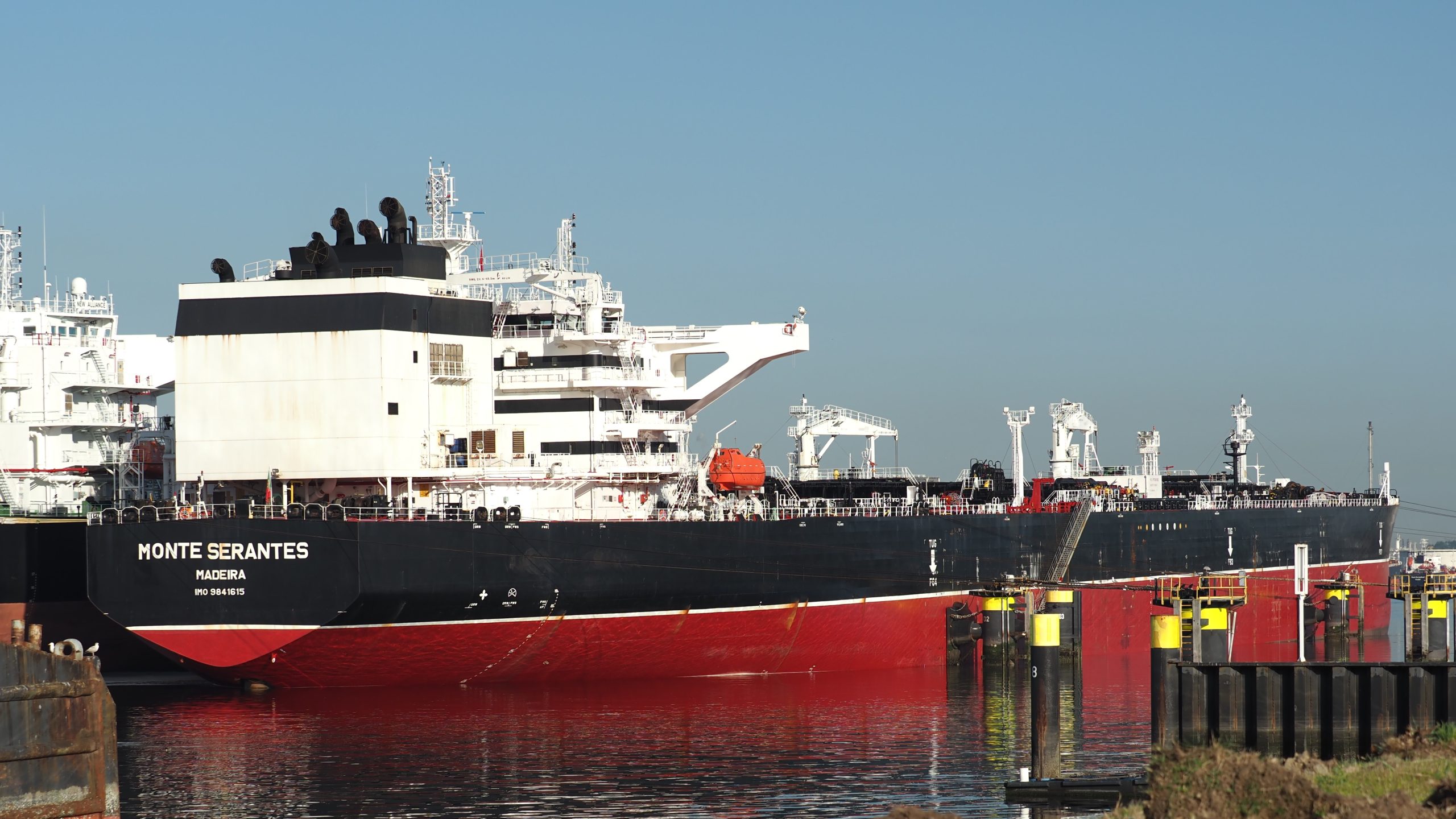
Source: Reuters global markets report, 9 November 2026. The tanker photograph is illustrative, not event documentation. Original NetNapz analysis; not investment advice.