
Brent Settles at $92.57 as Iran Diplomacy Signals Reshape Oil and Inflation Risk
Brent fell 5.85% to $92.57 on 9 November as reported diplomatic signals eased immediate supply fears, with geopolitical risks unresolved.
 SPONSORED PARTNERMEXCExplore global spot and futures marketsEXPLORE MEXC →
 CHARTING PARTNERTradingViewAdvanced charts, indicators and market analysisOPEN CHARTS →
 TRADING PARTNERGMX via NetNapz TradeTrade decentralised perpetual marketsSTART TRADING →
Commodities news and analysis covering gold, silver, oil, natural gas and other futures markets relevant to crypto and macro traders.
Brent fell 5.85% to $92.57 on 9 November as reported diplomatic signals eased immediate supply fears, with geopolitical risks unresolved.
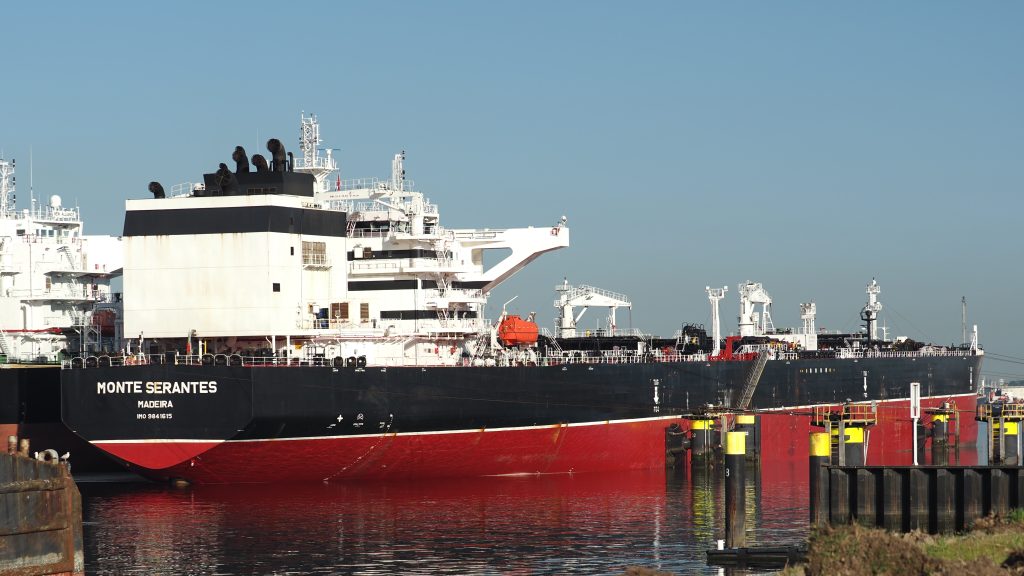
Brent settled near $98 Friday after a turbulent week shaped by Middle East shipping risks, diplomatic expectations and mounting evidence of weaker oil demand.
Brent crude settled 3.88% higher at $98.29 and WTI at $90.52 on 5 November after new Gulf tanker attacks. UKMTO confirmed multiple incidents but key damage assessments remain unknown.
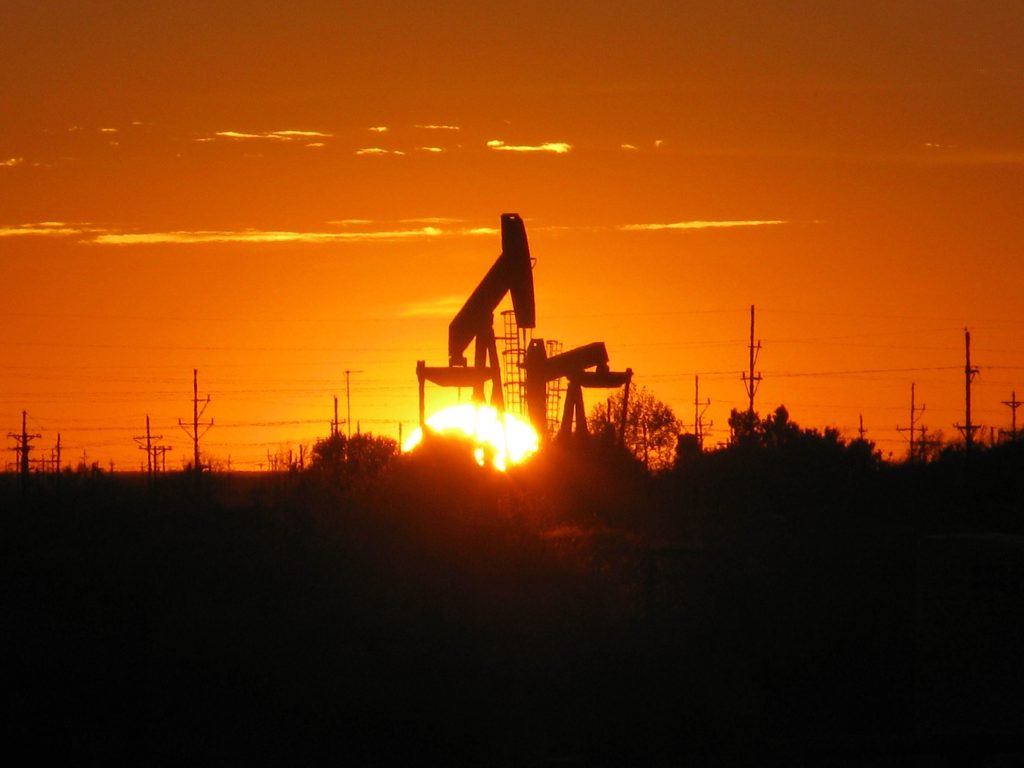
Saudi authorities report two deaths after intercepting a drone targeting Shaybah. Oil futures rose on 22 October; production losses remain unverified.
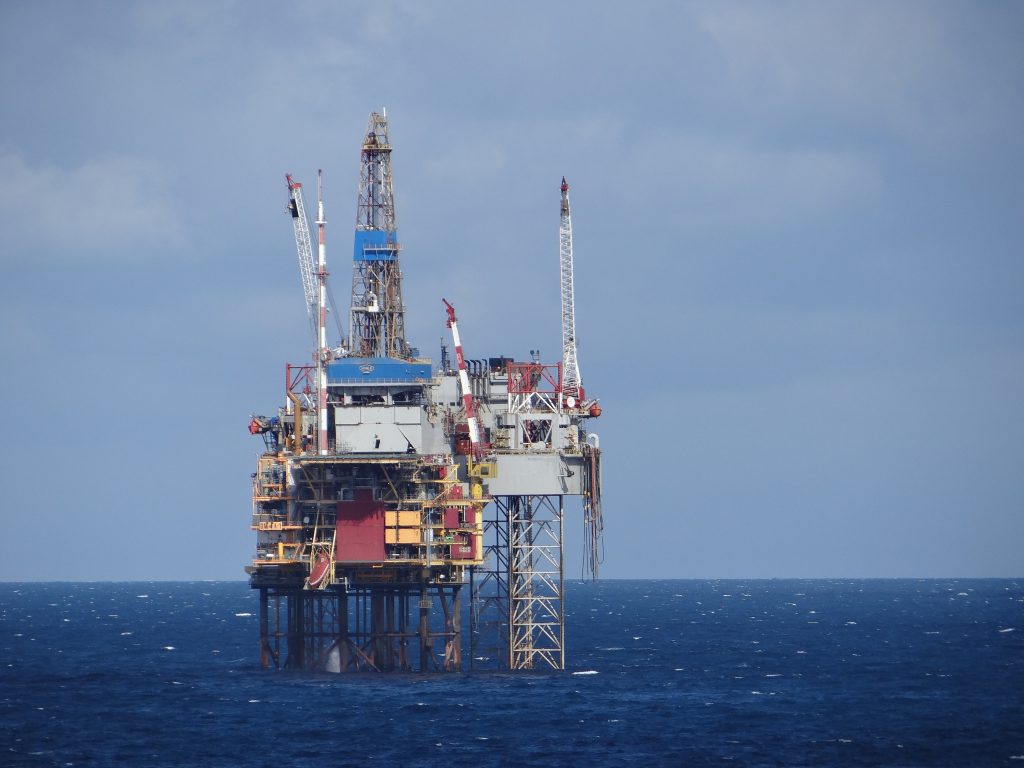
The UK has cleared the consent route for Jackdaw gas production after a fresh emissions assessment. First supply is expected from late October, but output and bill effects remain unverified.
OPEC+ kept November production targets at September levels on 4 October. Unchanged quotas leave shipping, actual exports and infrastructure recovery at the centre of the inflation trade.
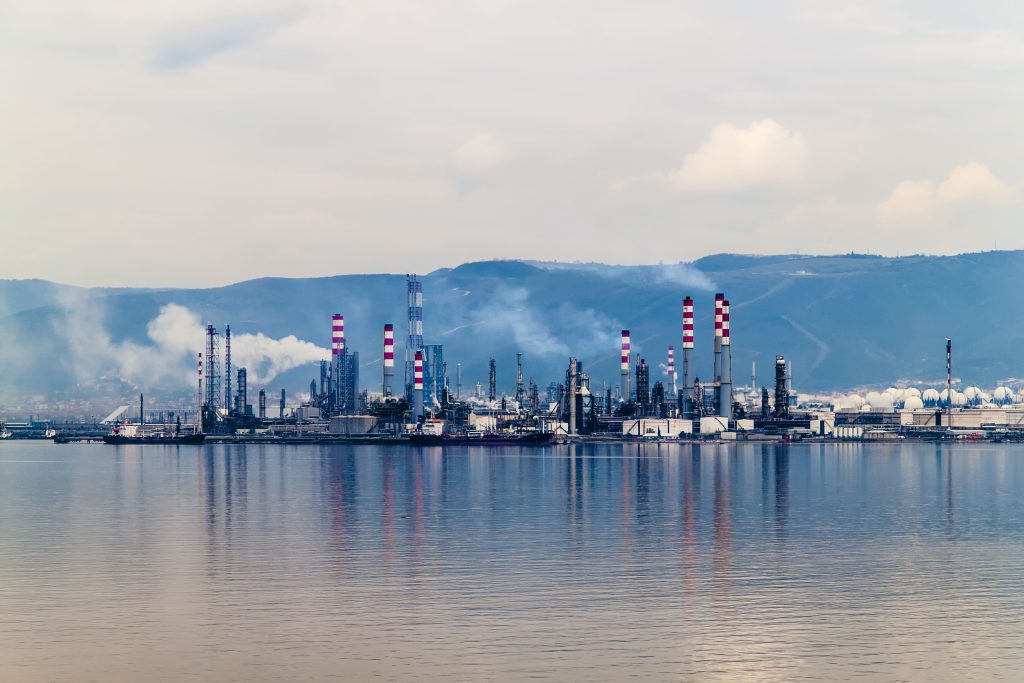
The IEA’s September 2026 Oil Market Report examines supply, demand, refining and trade. It is a dated research release, not a real-time oil quote. A spot price headline can reflect immediate logistics while the report describes a broader balance and forecast.
ESPO crude rose above $120 as Chinese refiners sought replacement barrels amid Middle East disruption and reduced Saudi availability.

Brent rebounded above $105 after the U.S. rejected Iran’s proposal to reopen the Strait of Hormuz, lifting yields and pushing gold lower as inflation risk returned.
ENERGY · GLOBAL MARKETS — Updated 15 September 2026. Brent pushed toward the high-$100s as Middle East supply risk persisted, helping drive the U.S. 10-year yield above 5% and reinforcing Fed hike expectations across global markets.