
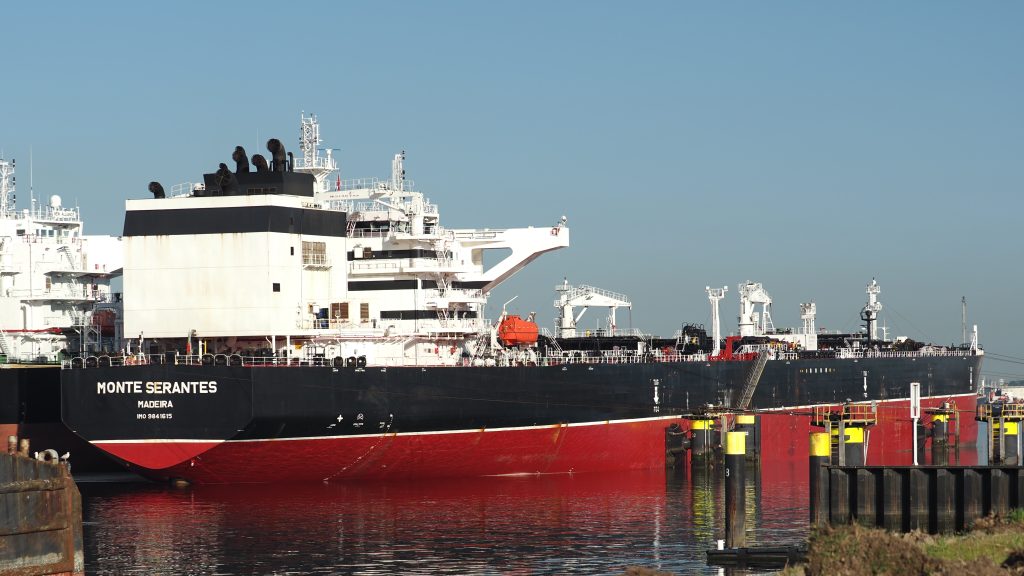
Brent Settles at $92.57 as Iran Diplomacy Signals Reshape Oil and Inflation Risk
Brent fell 5.85% to $92.57 on 9 November as reported diplomatic signals eased immediate supply fears, with geopolitical risks unresolved.
 SPONSORED PARTNERMEXCExplore global spot and futures marketsEXPLORE MEXC →
 CHARTING PARTNERTradingViewAdvanced charts, indicators and market analysisOPEN CHARTS →
 TRADING PARTNERGMX via NetNapz TradeTrade decentralised perpetual marketsSTART TRADING →
Brent fell 5.85% to $92.57 on 9 November as reported diplomatic signals eased immediate supply fears, with geopolitical risks unresolved.
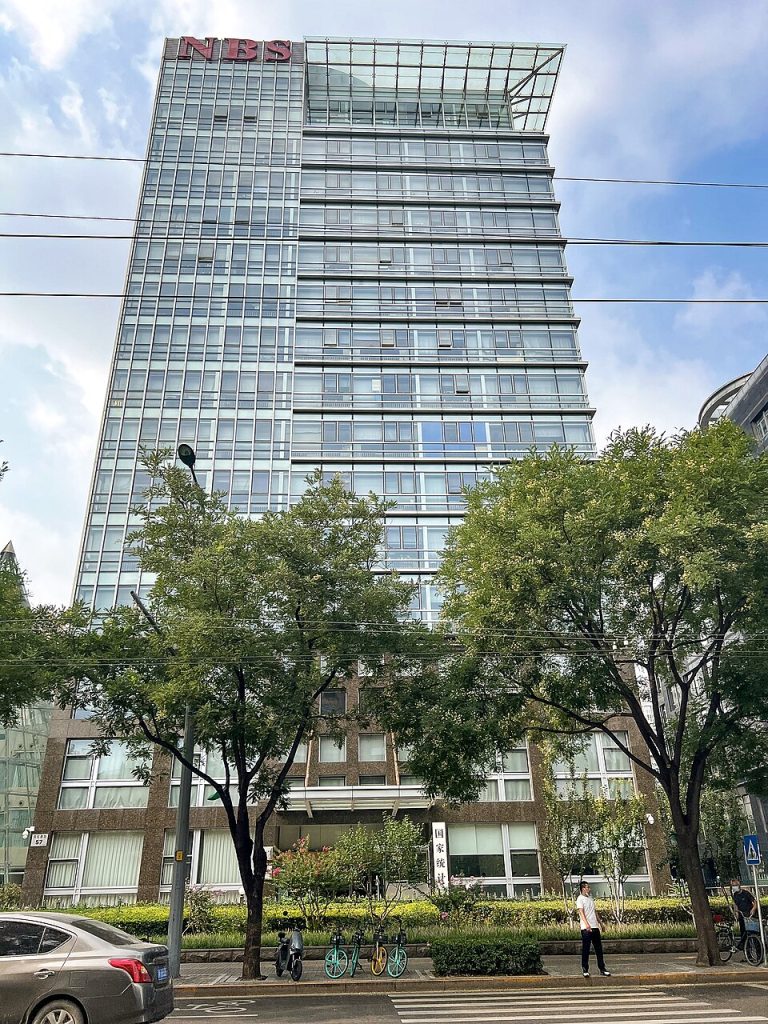
China’s official October CPI rose 0.7% year on year while PPI increased 5.7%, highlighting a split between household prices and upstream industrial costs.

Japan’s finance ministry disclosed ¥15.3993 trillion of dollar-selling, yen-buying intervention on three dates in July and August, in a November 9 release.
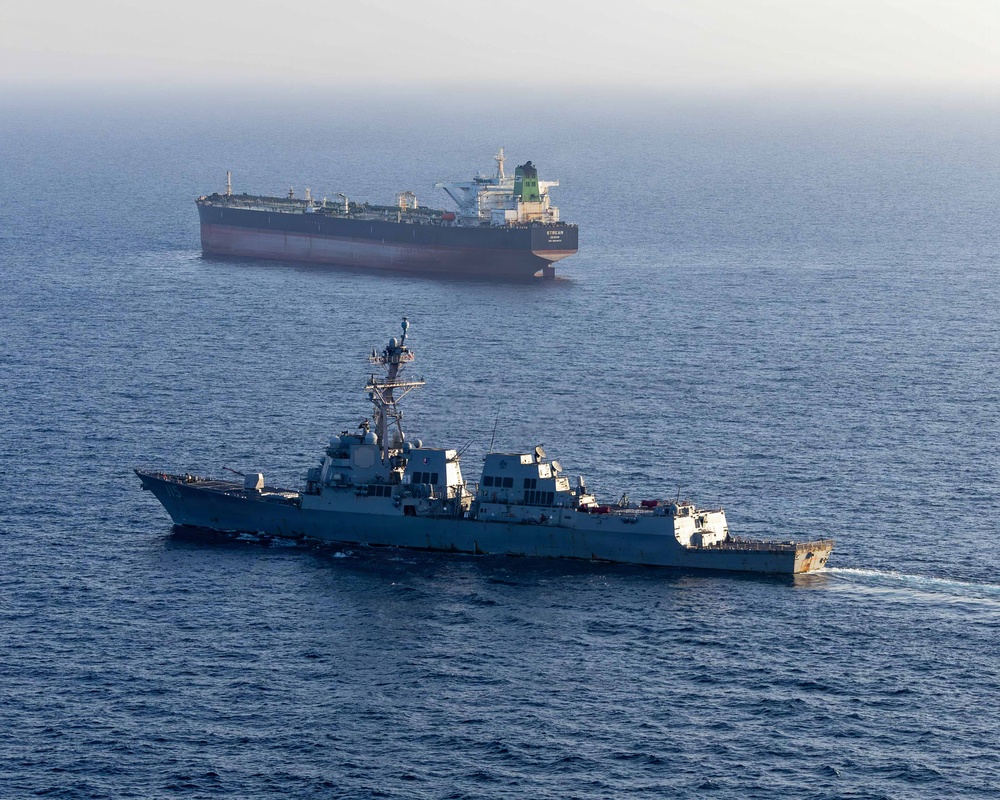
Saudi and Qatari equities fell in Sunday trading as fresh Gulf security reports raised regional risk. Intraday figures and incident claims are carefully attributed.
Brent settled near $98 Friday after a turbulent week shaped by Middle East shipping risks, diplomatic expectations and mounting evidence of weaker oil demand.
The dollar jumped after October payrolls exceeded expectations, while US two-year and ten-year yields rose and the euro, pound and yen weakened.
Official October payroll data show 165,000 US jobs added, a 4.1% unemployment rate and upward revisions to August and September, sharpening the Federal Reserve debate.
Eurostat’s 4 November 2026 flash estimate put October euro area inflation at 4.0%, versus 3.8% in September, as energy inflation hit 20.8%.
Brent crude settled 3.88% higher at $98.29 and WTI at $90.52 on 5 November after new Gulf tanker attacks. UKMTO confirmed multiple incidents but key damage assessments remain unknown.

The Bank of England raised Bank Rate to 4% on 5 November 2026 by an 8–1 vote, citing rising energy-related inflation risks and a CPI outlook near 5% by mid-2027.